Komyshuvakha School Strike: 31 Confirmed Dead After Russian Bombing
Fourteen more first responders and police officers died in a double strike on a shelter in southeastern Ukraine, with 48 people still missing.
By Yuki Kaminski ·
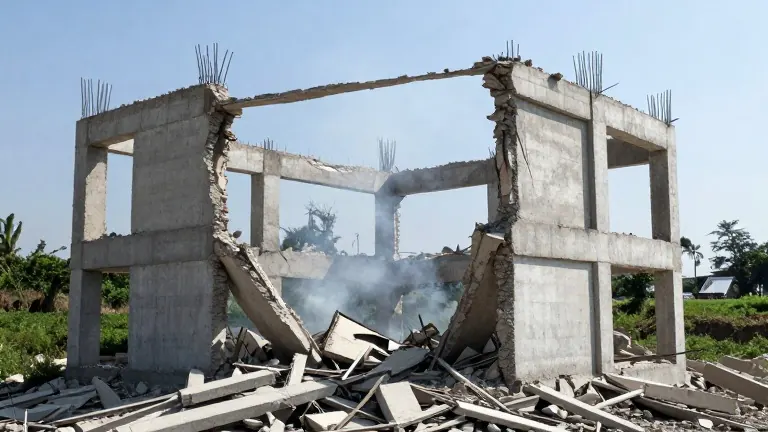
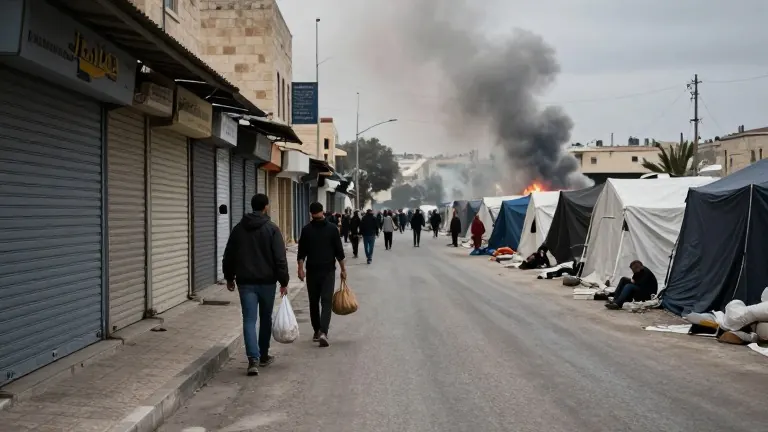
Russian forces killed at least 31 people in Komyshuvakha, a village in the Zaporizhzhia region, after dropping at least nine bombs on a school building that served as a civilian shelter. Another 48 individuals remain unaccounted for following the strike on Monday.
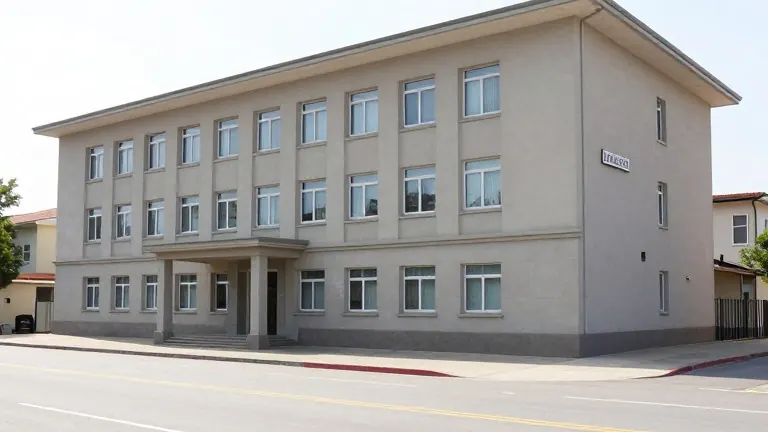
Local governor Mykhailo Semikin confirmed the death toll and the number of missing persons. He stated that the building, which was not currently operating as a school, functioned as an administrative center and a hub for distributing humanitarian aid. The structure featured a newly built, EU-funded reinforced basement designed to withstand heavy attacks. However, the impact of the bombs caused the concrete shelter to collapse, and a fire subsequently spread through the building.
Semikin identified the munitions used as KAB-500 and FAB-3000 aerial bombs. He described the FAB-3000 as a three-ton weapon containing nearly 1.5 tons of explosive material, noting that such ordnance is primarily intended for destroying heavy concrete fortifications and bunkers.
Ukrainian President Volodymyr Zelensky characterized the strike as utterly horrific. He noted that the attack occurred during the distribution of aid and preceded a massive barrage of drones and missiles targeting energy infrastructure. Zelensky pointed out that the strikes happened on the day of the US congressional elections, suggesting that Russian leadership believed the United States would overlook the signal.
The attack followed a pattern where Russian forces launch an initial wave of strikes, wait for emergency crews to arrive, and then hit the same location again. Two first responders, Denys Konovalenko and Oleksiy Sushchevsky, both 44, died after rushing to the scene of the first impact. The Ukrainian Police confirmed the deaths of four officers: Mykhailo Buzhenko, Mykola Balanda, Mykhailo Romanov, and Dmytro Besedin. Buzhenko and Balanda had more than two decades of service, while Romanov and Besedin had served as community police officers for over a decade. Police said the follow-up strike trapped residents and responders attempting to escape the underground shelter.
Recent months have seen a sharp rise in civilian casualties across Ukraine. Last month, 33 people died when Russian forces struck two civilian buses in Kramatorsk, Donetsk region. In August, a drone strike on an ammunition depot near Kyiv killed 38 people and triggered a large fire in a residential area. A coordinated missile attack on Kyiv in July claimed 33 lives.
The bombing occurred while the Trump administration renewed efforts for negotiations. US envoy Steve Witkoff met with Zelensky in Norway before traveling to St. Petersburg to meet President Vladimir Putin. First Lady Melania Trump helped secure a ceasefire in the occupied city of Oleshky, allowing hundreds of civilians to evacuate over the weekend. The Trump office announced on Tuesday that she would convene representatives from Russia and Ukraine at the White House on Thursday.
The Komyshuvakha strike is among the deadliest since the war began. The shelter was constructed last year to keep classes running during the conflict, but residents largely left the village as fighting intensified. The building now houses local government operations and aid logistics.
Source: CBS 58