Russia's 2027 Budget Cuts Hit Regional Health Care Hard
Funding for national health programs drops by 35 billion rubles as military spending rises by 27 percent.
By Hassan Okoye ·
Vera's mother did not survive the 50 minutes an ambulance took to reach a clinic in the Yaroslavl region.
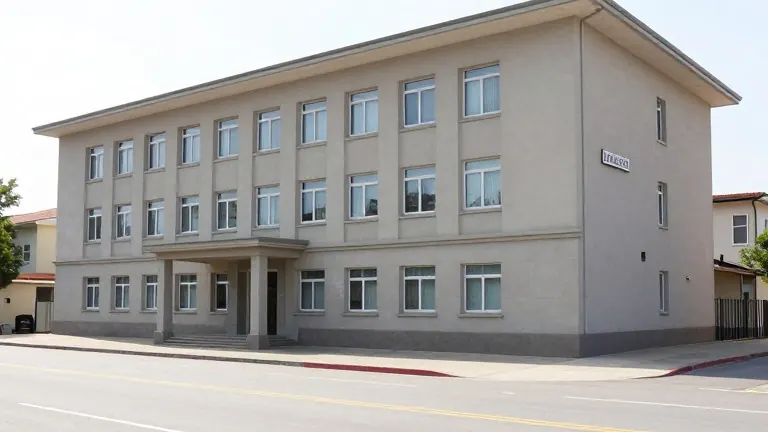
The village of Grigoryevskoye has grown, but the local medical station still operates with a single paramedic serving all adults, children, a school, and a kindergarten. Vera noted that no staff were present to assist her mother, and the clinic lacked the supplies needed for basic first aid. She stated, "There was simply nothing in the clinic to provide first aid. They couldn't even give her an injection of adrenaline."
The situation reflects a wider strain in regional medical infrastructure. Vera currently takes her grandson to a private clinic in Yaroslavl for specialist care because no pediatrician is available locally. The proposed federal budget for 2027 aims to reduce funding for the Long and Active Life initiative from 181 billion rubles in 2026 to 146 billion rubles. This initiative covers 11 federal programs, including primary care, cancer treatment, and emergency services.
The financial shift accompanies a steep increase in military expenditure. The 2027 military budget is set at 17.1 trillion rubles, a 27 percent rise from the revised 2026 allocation of 13.5 trillion rubles. While the government argues that increased compulsory medical insurance funding will offset the cuts, patient advocates warn that poorer regions will face the most severe gaps in coverage.
Residents in other areas report similar difficulties. In the Pskov region, a mother described being turned away by multiple facilities after her two-year-old injured his eye. The child went without treatment for two days. In the Vladimir region, plans to stop routine deliveries at a hospital in Kolchugino require pregnant women to travel 80 kilometers to the city of Vladimir. Local residents have protested the change and appealed to the Health Ministry.
The federal cancer program faces the sharpest reductions. Its allocation was cut from an initial 144.9 billion rubles in 2026 to 44.9 billion rubles. The draft 2027 budget provides only 3.87 billion rubles for the program. The Health Ministry stated that this reflects a change in financing structures rather than a withdrawal of support, noting that most cancer treatment is already funded through compulsory insurance.
Officials have attempted to reassure the public. Health Minister Mikhail Murashko told a parliamentary committee on October 15 that an additional 6 billion rubles would be allocated for medicines in 2027. He cited 113 billion rubles earmarked for regional medicine and 285 billion rubles for centralized purchases. However, on October 13, Federation Council participants cited shortages of oncologists and medicines, with some regions possessing only five to seven of the 35 to 40 recommended cancer drugs.
Budget Committee Chairman Andrei Makarov raised concerns during the first reading of the draft budget for the Federal Compulsory Medical Insurance Fund on October 29. He cited exhausted quotas, long waits for high-tech treatment, and staff shortages. In the Siberian city of Krasnoyarsk, the regional health department plans to close two maternity hospitals by mid-January due to declining birth rates and building conditions. Yelena, a local mother, said, "I am shocked that they are closing it."
Health Minister Murashko maintained that existing programs would be preserved despite the budget changes.
Source: RFE/RL