Tehran Households Trade Meat for Legumes as Food Costs Skyrocket
Central bank chief admits isolation strategy failed as inflation hits 89.9 percent and families cut back on meat and savings.
By Isabella Kaur ·

Central Bank Governor Abdolnaser Hemmati acknowledged on October 23 that the Iranian public is carrying a "heavy burden" under the current economic conditions. While admitting the strain on households, Hemmati stated that international efforts to isolate the country’s economy have failed to achieve their primary objectives.
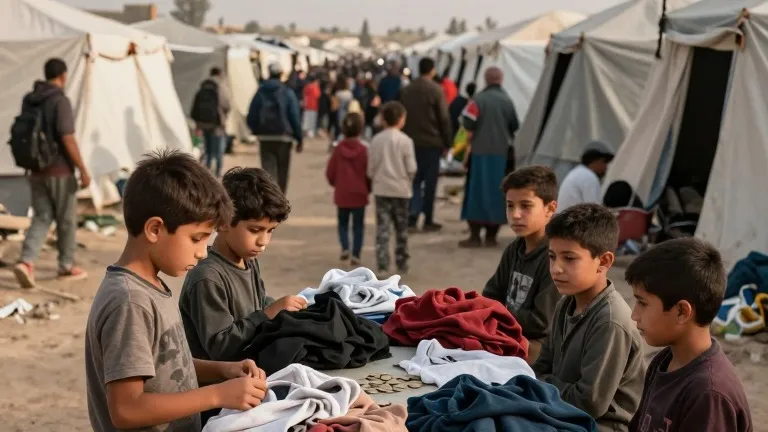
The pressure on families is evident in daily consumption habits. A recent field survey by Radio Farda in central Tehran indicates that residents are altering their shopping priorities, often abandoning middle-class activities such as dining out and saving. The cost of preparing common home meals has nearly doubled in one year. A serving of ghormeh sabzi, a traditional herb stew, with rice now costs approximately 23 million rials, or $8.45. Potato patties, known as kookoo sib zamini, are priced at about 4 million rials.
Households are making difficult choices regarding protein intake. One family member noted that meat and chicken are reserved for growing children, while adults consume legumes and meat substitutes. They fear that continued price increases will force them to remove meat from their children's diets entirely. A retired woman on a monthly pension of 180 million rials, or $66, has reduced her intake of major protein sources since March, citing health concerns despite her lack of rental costs.
Quantitative data underscores the scale of the cost of living crisis. The Canadian-based fact-checking outlet Factnameh calculated that a basket of 11 essential food items costs 56 million rials, or $20.70, per person in September. This totals more than 168 million rials, or $61.70, for a family of three. The government’s food voucher, valued at 10 million rials, covers less than 18 percent of this per-person cost, a sharp decline from roughly 30 percent in December 2025.
Macroeconomic indicators reflect the domestic hardship. Annual inflation reached 89.9 percent in September. The average monthly wage is estimated at $100. These figures have eroded purchasing power following a war between the United States, Israel, and Iran that began on February 28, which damaged infrastructure. A US naval blockade has reduced oil exports, while a new US Treasury sanctions campaign launched in August, dubbed "Economic D-Day," has further tightened financial restrictions.
Even higher earners are adjusting their lifestyles. A man in western Tehran with household earnings of 1 billion rials, well above the Tehran average of 600 million rials, reported that he can cover current expenses but has no savings for the future. A 28-year-old woman earning 400 million rials monthly has changed how she socializes, often splitting single cafe dishes between friends to keep costs down.
The January protests, which were met with a deadly crackdown by authorities, were driven largely by these economic hardships. The newly married woman interviewed by Radio Farda described her home as a place solely for sleeping, noting that she and her husband work two shifts to repay a loan. She stated that every morning they wake up knowing they are poorer than the day before.
Source: RFE/RL
More Business · World news · Business Watchdog · Report a business · Got a Story?