War, Deal, Or Stalemate? Trump's Iran Options After The Midterm Rout
After a midterm rout his own vice president blamed on the conflict, President Trump has roughly two months of a free hand and a stark set of choices on Iran: negotiate, escalate, or sit tight.
By Yuki Kaminski ·
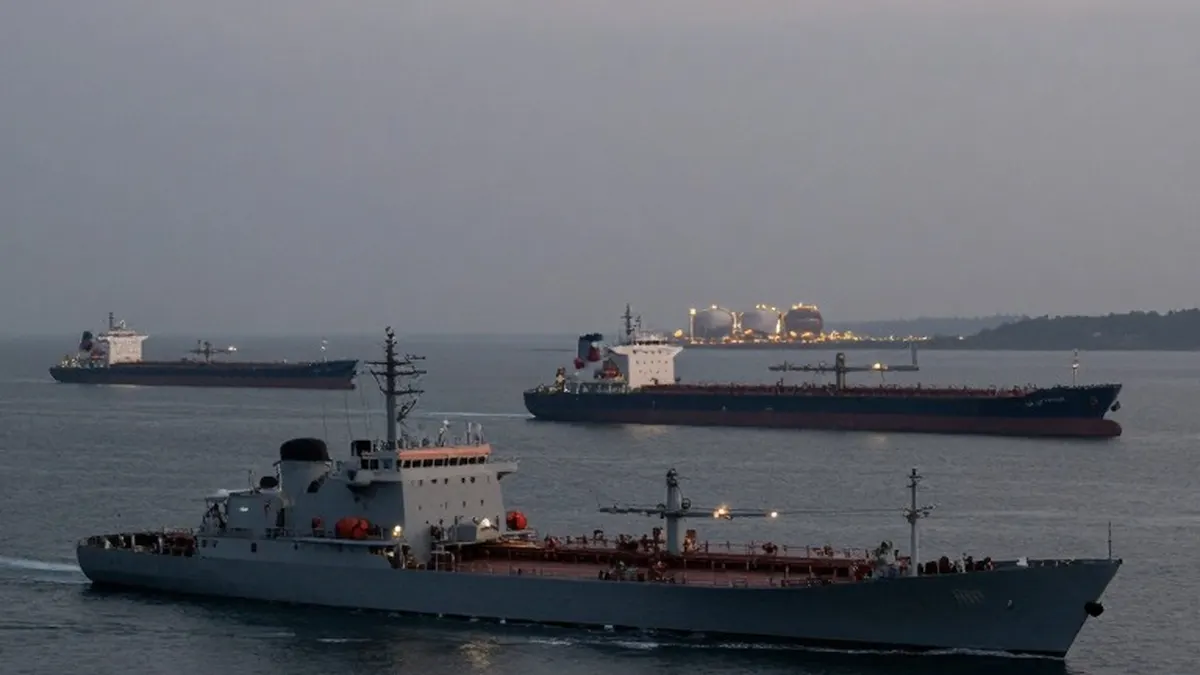
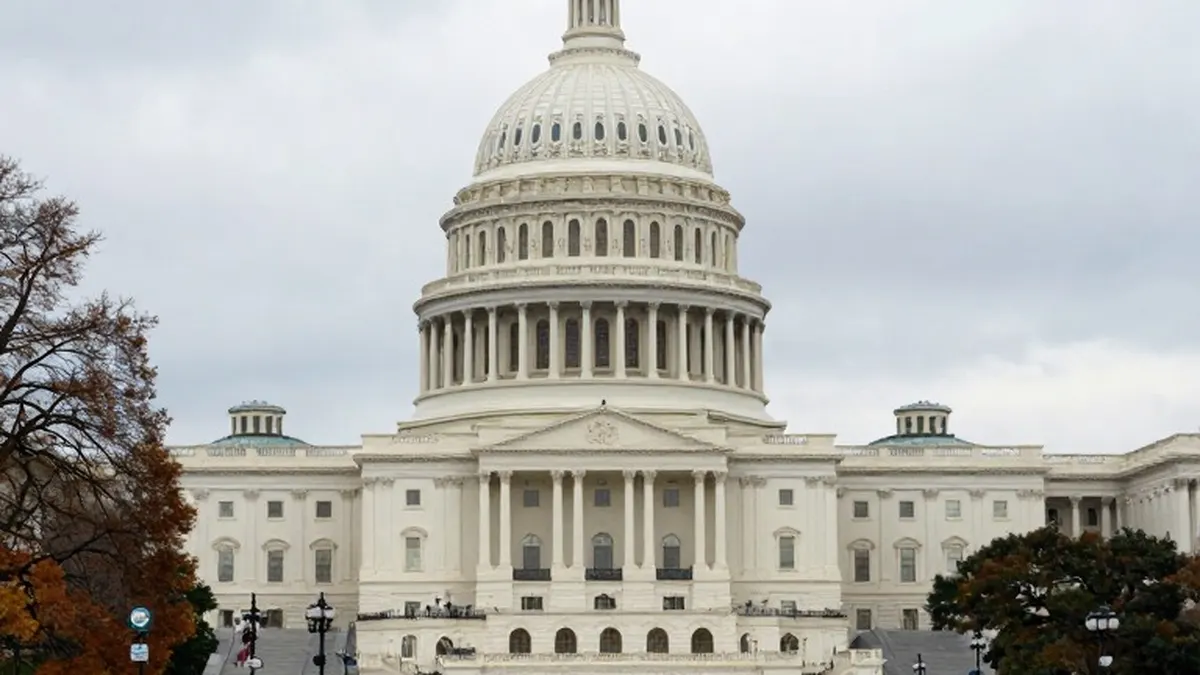
President Donald Trump spent the final weeks of the US midterm campaign predicting the war with Iran would end "right after the election." Republicans instead lost both chambers of Congress in a rout the vice president blamed squarely on the war. "The reason we lost is the war," JD Vance wrote on X on November 4. Trump called that "largely true" but said he would make the same decision again because "you can't let Iran have a nuclear weapon."
With two months before a Democratic Congress takes control of the budget and committee subpoenas, Trump's options are unappealing: negotiate, escalate, or sit tight. "Democrats don't take power today," Shayan Samii, a US-based national-security expert, told RFE/RL's Radio Farda. A bill curbing the war would need Trump's signature or a two-thirds vote in both chambers to override a veto.
The first scenario is full resumption of the war, something Trump has hinted at and Israeli Prime Minister Benjamin Netanyahu has reportedly pressed for. A renewed campaign would likely revisit the April playbook: strikes on bridges, rail lines, and power infrastructure. Kharg Island, Iran's main oil export terminal, has been hit only at military sites; Washington has not struck its energy facilities while its blockade keeps Iranian oil exports near zero.
Shahin Modarres, an Iranian security expert based in Rome, expects that line to be crossed. "Unfortunately, what I see is a severe war ahead," he told Radio Farda. He said Washington, having moved from deterrence to economic pressure after a June memorandum collapsed, now aims to force Tehran to capitulate by striking infrastructure, energy, and economic targets plus what remains of Iran's nuclear and missile programs, "especially Pickaxe Mountain" near Natanz.
On October 31, Supreme Leader Mojtaba Khamenei ordered commanders to prepare an "immediate, impactful, and geographically unrestricted response" to any new attack, and the Islamic Revolutionary Guards Corps has threatened undersea cables in the Persian Gulf, US bases beyond the Middle East, and regional energy infrastructure. Iran has hinted the next conflict, unlike the 40-day war, would draw in more countries and drive fuel prices higher.
A second, unlikely path is one "big shot" and an exit: a short, intense strike on Pickaxe Mountain, after which Trump could declare the nuclear program sufficiently damaged and seek a deal reopening the Strait of Hormuz for limited sanctions relief. The site is believed to lie 80 to 100 meters underground, making destruction hard to verify; Iran's military command has warned bombing it would mean renewed regional war, and Tehran might prolong the fight to raise Trump's costs.
A third option is the status quo of "defensive" strikes, a naval blockade, and US Navy escorts through Hormuz. Iranian President Masud Pezeshkian said in late October that the country must move on from the "no war, no peace" ordeal, and Samii doubts half-measures can last once attention turns to the 2028 race from mid-2027.
The fourth scenario, the most active diplomatic track, is a narrow Qatari-mediated arrangement resembling the June memorandum that briefly paused the fighting before collapsing. Markets seem to be betting on it: Brent crude fell below $100 a barrel on November 4. Iran has offered to reopen the strait within two days if Washington meets seven conditions, including lifting the blockade, easing sanctions, guaranteeing an end to strikes, and a regional cease-fire that includes Lebanon.
Israel may also act alone if it opposes a deal, Iranian hard-liners helped sink the June memorandum through attacks on shipping, and Tehran reads the Democratic sweep as vindication and may raise its price and wait out a weakened president. Modarres said Vance and Secretary of State Marco Rubio, both likely 2028 contenders, are playing "good cop and bad cop," keeping "a half-open door" for Tehran "even after the war starts." Asked on November 4 when the war will end, Trump repeated his answer from October 27: "Whenever I want it to."