Kenya Mining Bids Threaten Farms and Ancestral Graves in Mrima
A decision on who will extract rare earth minerals from Mrima Hill is expected within weeks, leaving local farmers and the Digo community uncertain about their land and cultural heritage.
By Hassan Okoye ·
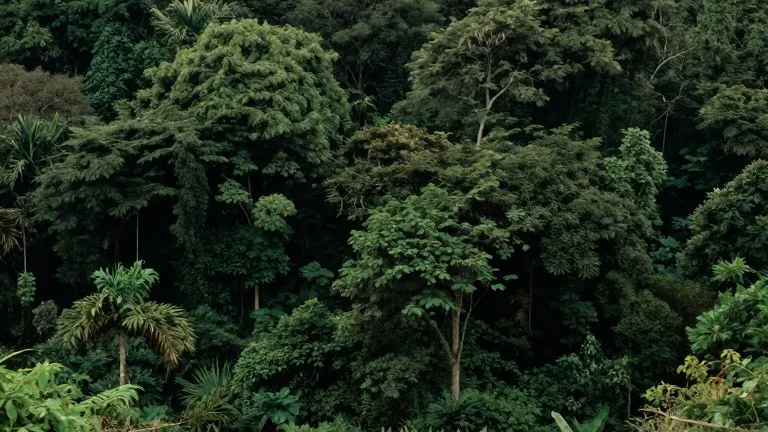
Farmers and community elders near the Kenyan coast are preparing for a decision on who will mine rare earth minerals beneath Mrima Hill, a forested area that also serves as a burial ground for their ancestors. The outcome will determine whether the land that currently supports local agriculture and cultural traditions will be subject to industrial extraction.
Mining Minister Hassan Joho told The Associated Press that a technical committee is evaluating five proposals and expects to announce a winner within two to three weeks. The minerals in the deposit, including niobium and rare earth elements, are in high demand globally for use in electric vehicles, wind turbines, and defense systems. Countries are seeking to reduce their reliance on China for mineral processing, making Kenya’s resource base a target for international investment.
Australian company RareX stated that its consortium with Iluka Resources submitted a technical and financial proposal on October 21. Critical Metals Corp., a Nasdaq-listed company, said in July that its group was shortlisted for the final stage of the bidding process. The ministry has not disclosed the nationalities of all bidders, citing confidentiality rules.
Justus Mwero, chairman of the Mrima Farm Owners Community-Based Organization, represents about 500 registered farmers. He said the group has received little information about the specific location of mining operations or how the project will affect their livelihoods. Mwero noted that residents are waiting to see how the government and the eventual mining company will handle compensation and support for local families.
The Digo community views the hill as a sacred site. Masoud Suleiman Mwarizo, chairman of the Mrima Hill Digo Community Trust, formed in 2025, said the forest, known as a kaya, contains the graves of their ancestors. Mwarizo stated that the community will refuse any digging of the hill, emphasizing that their traditions are organized around the forest. The area was designated a national monument in 1992.
Joho said the government views mining and local processing as a way to expand the economy, with a goal of increasing the sector's contribution to gross domestic product from about 1% to 10% within a decade. In 2013, projections estimated the project's potential gross revenue at $62 billion over 23 years, though that figure excluded development costs and did not specify Kenya's share.
Legal challenges are also underway. The Centre for Litigation Trust filed a petition with the High Court in Kwale on June 22, asking for a suspension of a proposed Kenya-U.S. agreement to develop the site. The group argued the bidding process lacked transparency. Kenya's attorney general challenged the court's jurisdiction, and a ruling on that objection is scheduled for November 6. No court order currently blocks the implementation of the agreement.
Under Kenya’s Mining Act, a license holder must sign a community development agreement and compensate landowners before starting mining. Harry Kimtai, principal secretary at the Mining Ministry, said the government will monitor compliance and explain residents' rights if disputes arise. The National Environment Management Authority and the National Museums of Kenya did not respond to requests for comment on environmental assessments or the status of the sacred forest.
Source: WDIV ClickOnDetroit