ReFED Estimates One Third of U.S. Food Waste Happens At Home
Legal protections and new state laws are pushing businesses to donate surplus food, while Milwaukee projects redistribute hundreds of thousands of pounds.
By Yuki Kaminski ·
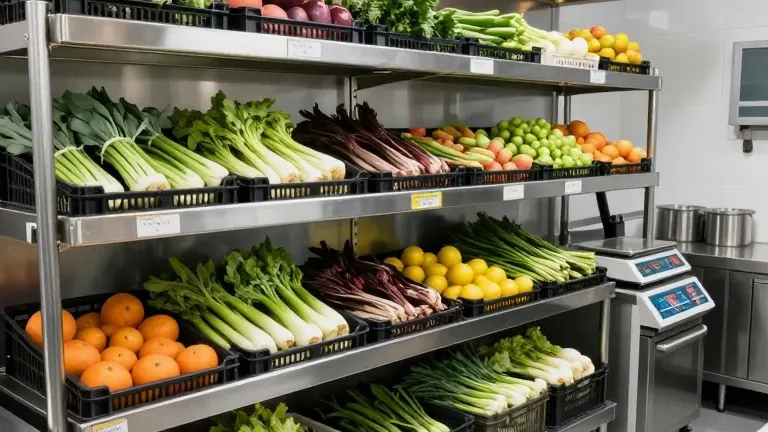
One in seven people in the United States experiences hunger, yet the country continues to discard massive amounts of edible food. Minnie Ringland, senior manager of climate and insights at the national nonprofit ReFED, states that the organization estimates approximately one third of all surplus food in the U.S. is generated by individuals in their homes.
Ringland describes the problem as a distributed issue affecting every stage of the supply chain. Food is lost on farms when labor shortages prevent harvesting. Additional supplies spoil during transport or while sitting on store shelves. At the household level, consumers frequently discard perfectly nutritious items. Ringland illustrates this behavior with a simple comparison: buying three bags of groceries and then tossing one bag in the dumpster immediately after leaving the store.
A major barrier preventing businesses from donating this surplus is a widespread fear of legal liability. Many store owners and restaurant managers believe they can be sued if donated food causes illness. However, the Bill Emerson Good Samaritan Food Donation Act passed in 1996 protects donors who act in good faith and follow basic safety precautions. Ringland argues that more education on this existing law could overcome this hesitation.
Operational costs represent another challenge. Businesses must train employees to assess whether food is safe to eat, separate it from inventory, and arrange for storage and transport to food banks. Despite these hurdles, a growing number of states and localities are passing organics diversion laws. These regulations mandate the recovery of edible food and require entities to keep waste out of landfills. Such mandates are driving investment in donation infrastructure.
In Wisconsin, there is no formal state law requiring food waste diversion, but the state has set a goal to reduce food waste by 50 percent by 2030. Local efforts are already showing measurable results. The FEED MKE Project, a pilot program in Milwaukee, redistributed nearly 671,000 pounds of surplus food to people in need over a two year period.
The FEED MKE Project utilized mini grants to support various local initiatives. Recipients included the Veggie Chop Shop, NourishMKE, and programs associated with the University of Wisconsin-Milwaukee. The Kombucha company My Soul Brew also received support, as did several composting initiatives working to divert organic material from landfills.
These local programs operate within a national context where solutions are increasingly available to connect unused food with those who require it. While the U.S. generates significant amounts of waste, the combination of legal protections, state mandates, and targeted grant programs is creating new pathways for redistribution. The work in Milwaukee serves as a specific example of how local actors are implementing these strategies to address both food waste and food insecurity.
The interview with Ringland was conducted by Maayan Silver for WUWM. The conversation explored the mechanics of food loss and the specific actions required to mitigate it. By identifying where waste occurs and what prevents donation, organizations like ReFED aim to streamline the process. The data from the FEED MKE Project demonstrates that targeted redistribution efforts can move large volumes of food into the hands of those facing hunger.