High-volume diets allow larger meals with fewer calories, but experts warn of risks
Registered dietitian Erin Palinski-Wade explains how swapping foods for lower energy density can aid weight loss, while cautioning that those with digestive issues or eating disorders may need to proceed with care.
By Hassan Okoye ·
Dietary guidelines often emphasize portion control, but a growing body of research supports an alternative approach: eating larger volumes of food with lower energy density. This method allows individuals to consume more physical food while keeping total calorie intake low. The strategy focuses on swapping standard items for foods that are high in water and fiber content.
Registered dietitian Erin Palinski-Wade describes the technique as a way to build more satisfying meals rather than adhering to a restrictive diet. The core principle involves selecting foods that provide substantial bulk for relatively few calories. Vegetables, fruits, and broth-based soups are primary candidates for this approach.
The physiological basis for this method relies on the natural water and fiber content of these foods. Palinski-Wade notes that these components help individuals feel satisfied with fewer calories overall. This can create a calorie deficit without the intense hunger often associated with traditional weight loss advice.
Scientific evidence supports the efficacy of this strategy. An analysis of 31 studies found that reducing the calorie or energy density of meals helped lower overall caloric intake. Palinski-Wade cites additional research indicating that people eating lower energy-density diets could consume one to two pounds more food per day. This group also lost more weight over a six-month period compared to those following standard caloric restrictions.
However, the approach is not suitable for everyone. Palinski-Wade advises caution for individuals with a history of eating disorders, including binge eating disorder. For these patients, focusing on volume may reinforce unhealthy relationships with food or feelings of fullness. She also warns those with digestive conditions such as IBS or Crohn's disease may struggle with high-fiber foods.
Patients with a history of bowel obstruction, bowel surgery, or difficulty absorbing nutrients should consult a healthcare provider before increasing fiber intake significantly. Additionally, individuals taking GLP-1 medications may experience worsened nausea and gut discomfort if they eat large portions, even of low-calorie foods, because these drugs slow digestion.
Athletes and highly active individuals, such as runners or swimmers, may also find this strategy challenging. Palinski-Wade explains that it can be difficult to consume enough energy from low-calorie foods to support high levels of movement, performance, and recovery. For these groups, prioritizing protein and nutrient-dense foods in smaller portions is often a better strategy.
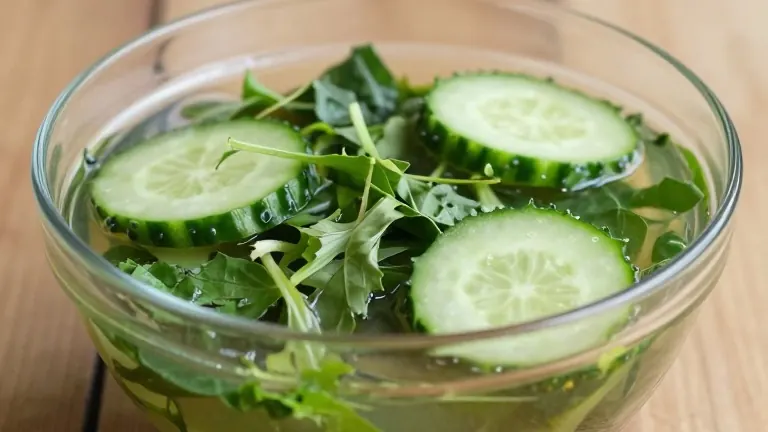
To practice volume eating, experts recommend prioritizing foods high in water and fiber, such as leafy greens, cucumbers, peppers, berries, and watermelon. A specific tactical suggestion is to start meals with a broth-based soup. Palinski-Wade references a study finding that people who ate two servings of low-calorie-density soup daily lost 50% more weight over a year than those consuming the same calories from snack foods.
While volume can aid satiety, it should not be the sole focus of a meal. The goal is to feel comfortably satisfied, not physically stuffed. Palinski-Wade emphasizes the importance of consuming adequate amounts of protein, carbohydrates, healthy fats, fiber, vitamins, and minerals. She advises checking in with oneself halfway through a meal to assess hunger levels, noting that it takes about 20 minutes for the brain to fully register feelings of fullness.
Source: NBC Chicago