Detroit Council Votes to Investigate New City Power Company
The move comes after severe storms exposed gaps in service, and officials are now looking at models used by 41 other Michigan communities.
By Yuki Kaminski ·
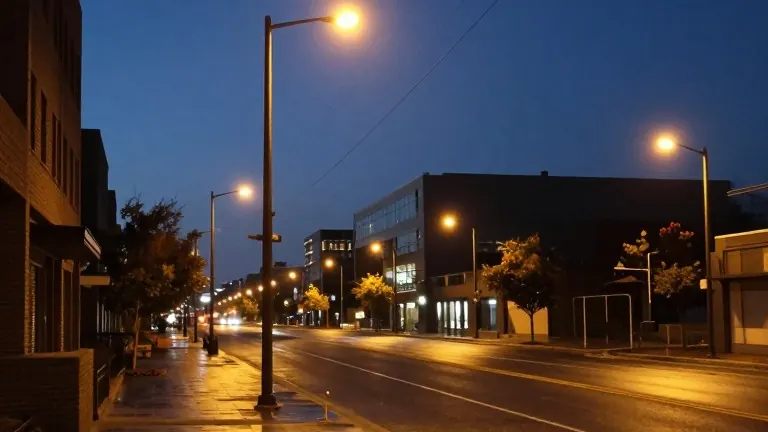
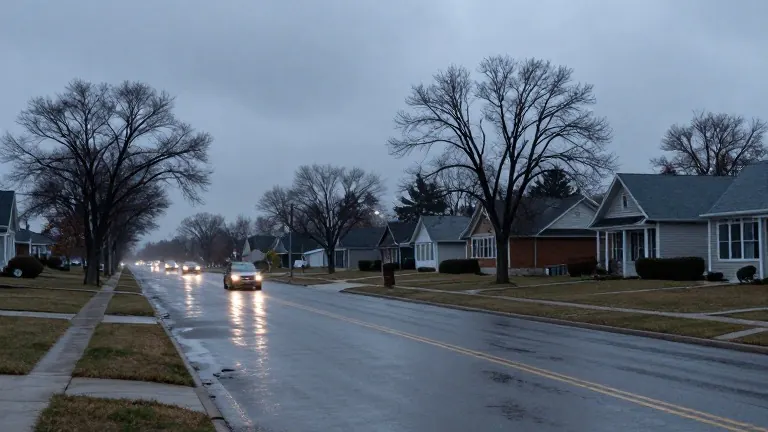
Residents of Detroit face a potential shift in how they receive electricity. The city council recently voted unanimously to explore alternatives to DTE Energy. This decision follows a tornado that left thousands of homes without power for extended periods.
The proposal marks a return to a system Detroit last used in 2013. The city shut down its public utility during a period of severe financial strain. Now, lawmakers are examining whether a new municipal entity could manage the grid more effectively for local households.
Council Member Gabrielle Santiago-Romero voiced concerns about the current cost and service level. She stated, “I do not trust what we’re doing because we pay so much and we’re getting quite little. Quite frankly, I feel like we’re being robbed.” Santiago-Romero directed the city’s Legislative Policy Division to study how other municipalities handle public power.
The Michigan Environmental Council supports the move. Program Director Galen Hardy said he wants to see the city take action to bring back an independent utility. His organization advocates for local control over energy infrastructure to improve environmental and economic outcomes.
Proponents point to data from the Michigan Municipal Electric Association, which represents 41 publicly owned utilities in the state. Executive Director Katie Abraham said these systems saved customers more than $400 million in rates and reliability costs in 2023. She noted that smaller service areas allow for faster response times during outages.
Abraham explained that utility workers in these communities often live near the power lines they maintain. She said, “Our workers live in the community, they know when the lights go out and they’re there and they’re ready to respond.” This local presence is a key argument for the shift from large investor-owned providers.
Detroit officials have not yet announced a formal timeline for the transition. However, they are closely watching the November 3 ballot in Ann Arbor, where voters will decide on a similar municipal utility proposal. Cities such as Lansing, Traverse City, and Marquette already operate under this model, providing a direct comparison for Detroit’s planning process.
Source: Planet Detroit