Waste Crisis Deepens in Yemen's Taiz as Siege Chokes City
A month-long siege of Taiz by Houthi forces has disrupted waste collection, leading to massive rubbish piles, toxic smoke, and a worsening humanitarian emergency for hundreds of thousands of residents.
By Hassan Okoye ·

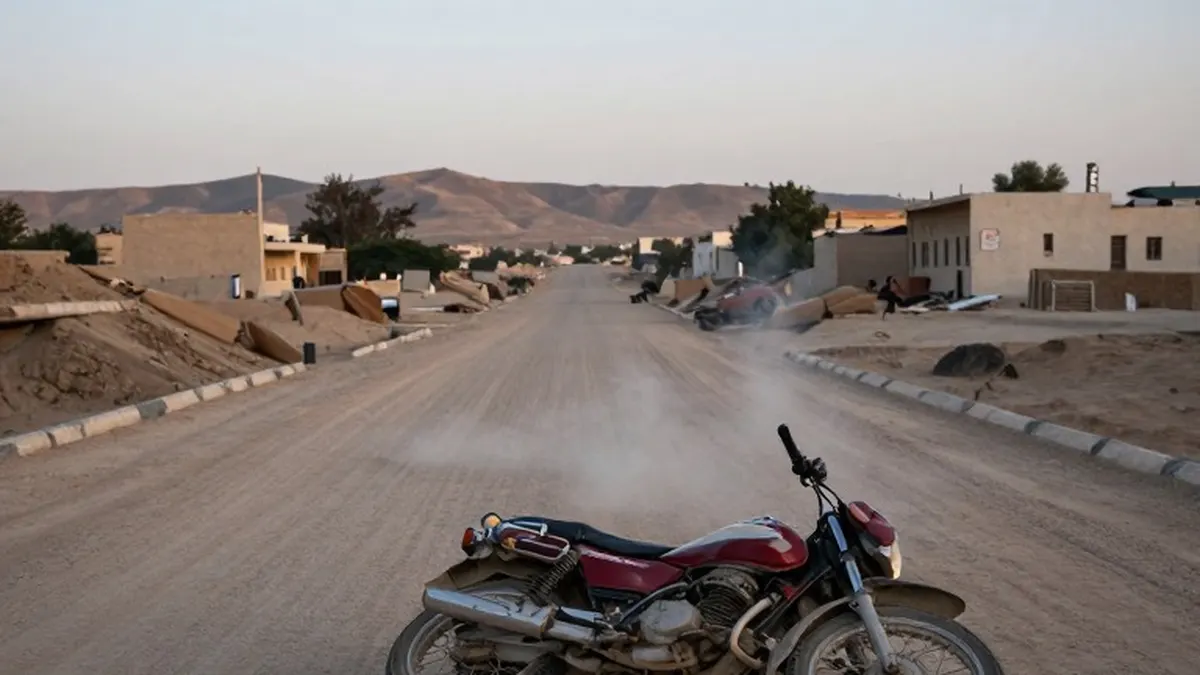
The Usaifira area north of Yemen's Taiz is currently shrouded in black smoke as residents burn accumulating household rubbish. The foul odours have permeated surrounding neighbourhoods, creating a daily struggle for locals who find themselves trapped between mounds of waste and choking fumes. This growing crisis highlights a severe breakdown in public services and poses direct threats to the environmental safety and health of the city's population.
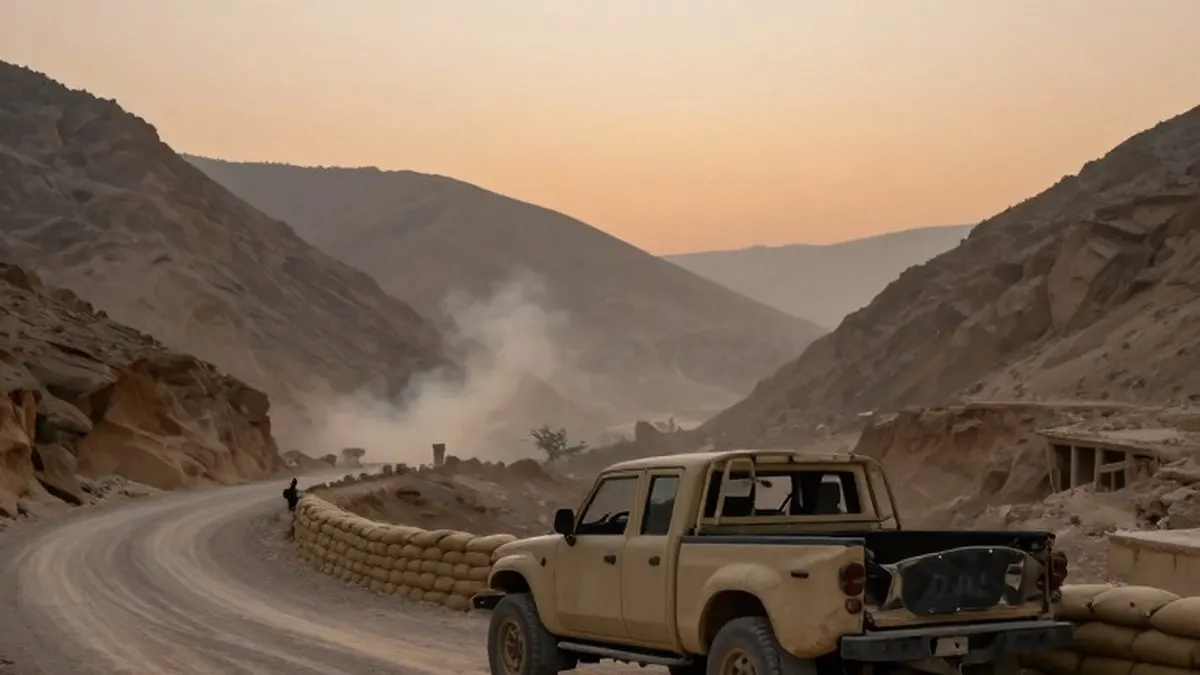
The accumulation of waste began in early October, coinciding with a one-month siege of the city by Iranian-backed Houthi forces. These fighters control the western part of Taiz, where the main landfill site is located. The blockade affects hundreds of thousands of people and has intensified since October 5, when forces loyal to the internationally recognised government, backed by a Saudi-led coalition, launched a major offensive to retake Houthi-held areas.
Sanitation operations have been severely hampered by the conflict. Workers report that snipers have been deployed near the landfill, and staff have faced gunfire on multiple occasions while attempting to reach the site to empty their trucks. Additionally, an acute shortage of fuel in the city has further impeded waste collection efforts. Consequently, rubbish has piled up in streets and storm drains, prompting desperate residents to ignite the waste to manage the volume.
The al-Saeed stream, which runs from the middle of lower Tahrir Street down to Usaifira, has become a dumping ground rather than a collection point. Fires in the stream ignite periodically, sending toxic fumes drifting toward adjacent homes. Abdo Hadi, a resident of Usaifira, described the situation as causing suffocation and disease for both young and old. He noted that the foul smell is compounded by the burning, threatening the lives of his family and neighbours in already difficult conditions.
Hadi emphasised the comprehensive nature of the blockade, stating that the city is besieged from every side with a lack of gas and petrol and the presence of a black market. Mohammed Ibrahim, director of a local cleaning initiative, confirmed that waste collection has been badly affected since the start of the offensive in October. He noted that the initiative has also suffered from funding cuts and disrupted supply lines needed for its operations.
The scale of the waste problem is significant, with Taiz generating between 550 and 600 tonnes of waste daily. This equates to approximately 16,500 to 18,000 tonnes per month. A sanitation worker described the grim reality of emptying a truck in the Usaifira stream, noting that the war has forced them to pile waste in the waterway, leaving residents exposed to potential diseases.
The waste crisis is part of a wider collapse of basic services. On October 20, Laurent Bukera, the UN Humanitarian Coordinator for Yemen, expressed deep concern over the rapidly deteriorating situation in Taiz. He warned that road closures and insecurity are preventing vital supplies, including fuel, from entering the city, leaving the health system close to collapse. Bukera highlighted that water production has halved and called on the Houthis to open safe passage for commercial goods, food, medicine, and humanitarian assistance.
The United Nations World Food Programme (WFP) has warned of an escalating humanitarian crisis, stating that conflict has cut off lifesaving assistance to 800,000 people, including 600,000 in Taiz who depend on aid. El-Khidir Daloum, the WFP representative in Yemen, expressed critical concern about the growing number of people the agency can no longer reach due to the conflict. He warned that the situation could rapidly spiral into a humanitarian catastrophe if assistance cannot move safely to those who need it most.
Jens Laerke, a spokesman for the UN's Office for the Coordination of Humanitarian Affairs (OCHA), explained that access roads have been cut off, meaning very little fuel or food has reached the city. He noted that water production has fallen dramatically and the cost of trucked water has tripled, placing a heavy burden on trapped residents. Meanwhile, UNICEF has raised concerns about widespread hunger, reporting that it screened more than 168,000 children in Taiz this year and found more than 52,000 to be acutely malnourished.
Ricardo Pires, a spokesman for UNICEF, warned that logistical hurdles make it difficult for partners to transport supplies and for families to reach treatment. The combination of polluted environments, limited resources, and ongoing conflict continues to exacerbate the health risks for the population of Taiz.