Yemen: 290,000 Displaced as Government Seizes Al-Jawf Positions
UN data shows a surge in internal displacement while military clashes continue in Al-Jawf, Taiz, and Hodeidah.
By Isabella Kaur ·
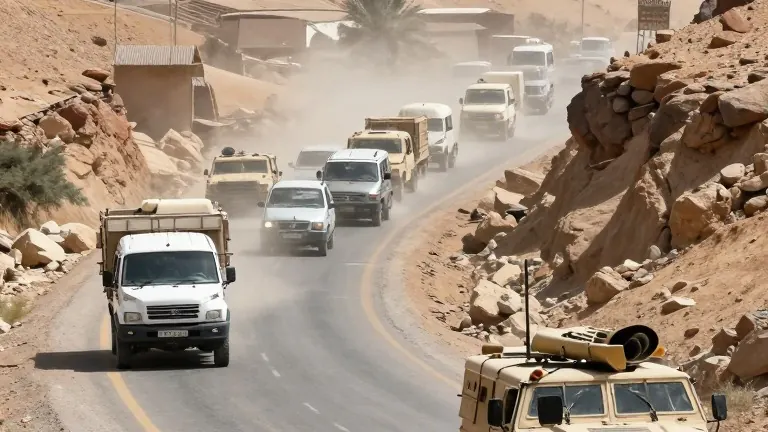
Yemen’s internationally recognized government forces seized weapons depots and strategic heights east of Al-Hazm, the capital of Al-Jawf governorate, on Saturday. The army’s media center reported that the 1st Emergency Brigade captured ammunition stores after wounding, killing, and capturing Houthi fighters. The unit also stated that the assault resulted in the destruction of several armored vehicles.
The Houthi military issued a contrasting account, claiming they thwarted government advances in both Al-Jawf and the neighboring Marib governorate. Al-Jawf borders Saudi Arabia and sits between the Houthi-controlled Sanaa and Saada regions, making it a key front in the government’s campaign to recover lost territory. These clashes are part of Operation Dawn of Yemen, a military effort launched in October to reverse Houthi gains and reestablish control over areas the group has held since seizing Sanaa in 2014.
Combat has intensified around Taiz in the south. Government troops said they repelled Houthi attacks in Al-Aqroudh, southeast of the city, and on the Tur Al-Baha front in Lahij governorate. In a separate development, Houthi-affiliated media reported two airstrikes targeting an oil company facility in the Bajil district of Hodeidah governorate.
The United Nations Office for the Coordination of Humanitarian Affairs stated that more than 290,000 people have fled their homes since fighting escalated in August. The UN Population Fund reported that nearly 6,100 pregnant women were among those recently displaced. Of that group, 600 were expected to give birth within two weeks of the organization’s briefing on Friday.
The siege of Taiz has strained local hospitals and restricted the flow of food, fuel, and medical supplies. Although the Houthis do not control the city center, they hold key routes in and out of the area. This control limits access to essential goods and makes it difficult for civilians to leave amid reported sniper fire from surrounding hillsides.
Yemeni media outlets published videos describing the first shipment of medical aid to arrive from Marib to support wounded people and displaced families. They reported that further shipments remained held up by road closures. The UN Office of the UN High Commissioner for Refugees warned that more than 65,000 refugees and asylum seekers in Yemen face worsening conditions as services are disrupted and prices for food and fuel rise.