Houthis tighten grip on Taiz as Yemen’s third largest city faces critical water shortage
Aiding groups warn that restricted access to wells and fuel in Taiz is pushing the city’s population toward a severe humanitarian crisis.
By Isabella Kaur ·
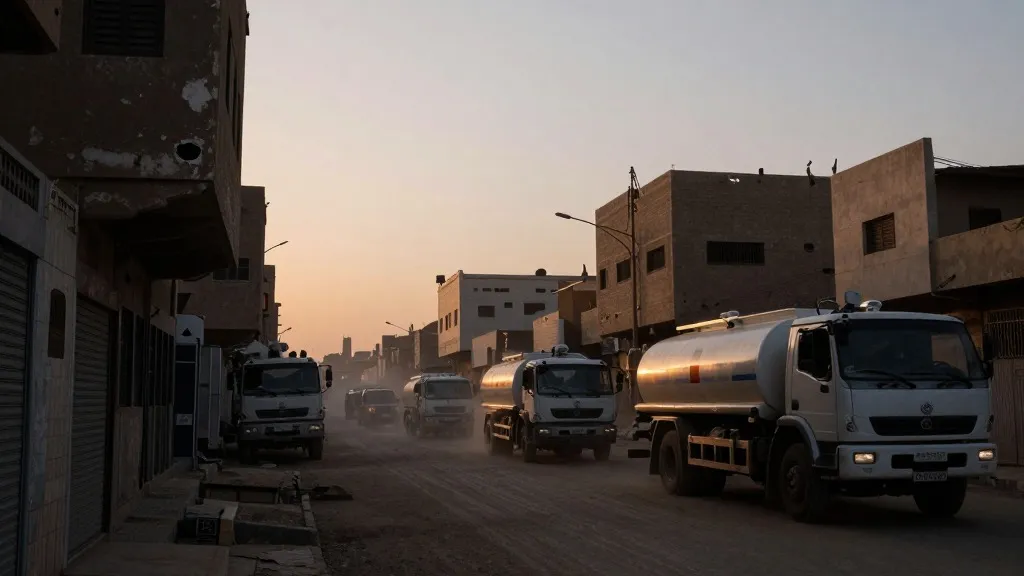
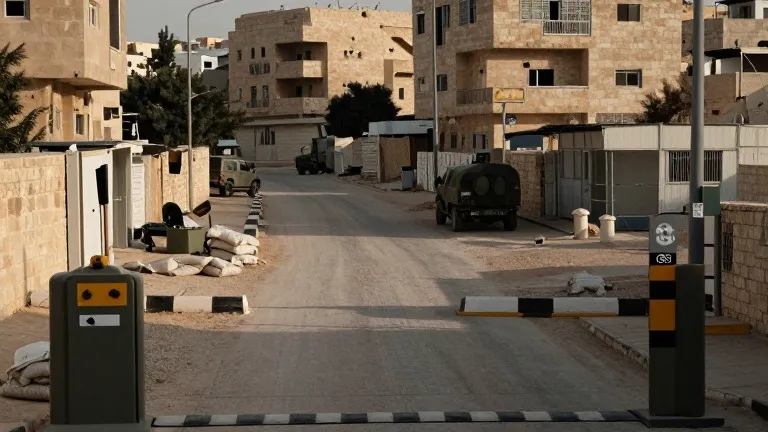
Humanitarian organizations report that the drinking water supply in Taiz, Yemen, has deteriorated to crisis levels over the past few weeks. The city, home to more than one million residents, is currently under a tightening siege by Iran-backed Houthi rebels as their conflict with government forces intensifies. Aid workers state that basic needs are barely being met because access to local wells is limited, desalination plants lack fuel, and water trucks are frequently blocked from entering the urban center.
The water scarcity in Taiz stems from a combination of long-term infrastructure damage and recent military developments. Yemen entered a civil war in 2014 when the Houthis captured the capital Sanaa, leading to years of conflict that degraded the city's aging water systems. Population growth and frequent droughts had already depleted groundwater levels. Until recently, residents relied on water trucks for delivery. However, by August, the region became a significant front in the broader Iran war. The Houthis recently captured the port city of Mokha, which is vital for Red Sea shipping, and subsequently advanced on Taiz. As rebels seized roads and land surrounding the city, residents lost access to nearby wells and external deliveries became difficult.
The economic impact on residents is severe. Families are stretching limited supplies of bottled water, which has increased in price by up to 75 percent in recent weeks. Some households are now purchasing water on credit to maintain their daily intake. Hadil al-Shahid, a resident with two young children, noted that her family previously used about 10 liters of bottled water per day but now makes the same amount last four days. She reported that they have stopped drinking coffee and tea to conserve water. Other shortages have driven up food prices, with flour and rice costing approximately 50 percent more than they did in the summer. Cooking gas prices have more than quadrupled, forcing some families to burn wood, charcoal, or cardboard.
The siege is affecting more than just water supply. Scarce fuel is making it difficult to keep hospitals and sanitation services operational, which increases public health risks. United Nations migration experts estimate that Taiz province has absorbed roughly 124,000 displaced people since August, about half of all those displaced elsewhere in the country. Jens Laerke, a spokesperson for a UN emergency aid division, warned that some displaced families survive on one meal a day in makeshift shelters. He noted that the interconnected shortages increase the likelihood of disease outbreaks, such as cholera, especially as families use unprotected wells. Hani Bafaqih of the aid group CARE added that fuel shortages have also hampered community kitchens and shut down waste collection services.
The military situation remains fluid. The government still controls the center of Taiz, but the siege complicates resupply efforts for its forces, who face resistance in the surrounding hills. Analysts suggest that controlling Taiz is strategic for the Houthis if they aim to push south toward Aden and Lahj. Ahmed Nagi of the International Crisis Group said that any attempt to seize parts of the city would likely result in a prolonged and costly battle. Three Houthi officials speaking anonymously claimed the group controls about 80 percent of the surrounding countryside and several neighborhoods inside the city, a claim that the Associated Press could not verify. Foreign Minister Afrah al-Zouba has acknowledged the rebels' tightening grip on the area.
Civilians face daily dangers from the conflict. Earlier this week, Houthi missiles struck a residential area in Taiz, killing two teenage girls. Ahmed Abdel Gaber, who is displaced with nine relatives in building ruins, said he hears explosions daily from fighting located about five kilometers away. His family has decided not to return to their mountain village for safety. Al-Shahid, who owns a hair salon that she closed as customers prioritized food and water, said her family now eats mostly rice, bread, and cheese. She stated that staying in their home is inevitable, whether it is a matter of life or death.
Amnesty International has urged the Houthis to open roads into the city immediately, warning that Taiz is being pushed to the brink of a severe humanitarian disaster. The organization highlighted that the combination of water scarcity, fuel shortages, and food inflation is creating a compounding crisis for the population.
Source: NPR