Iran grants shipping exemptions to India, China, Qatar, and Iraq in Hormuz
Iran has exempted ships from India, China, Iraq, and Qatar from its Strait of Hormuz restrictions, a move analysts say aims to generate revenue and undermine US blockade efforts.
By Yuki Kaminski ·
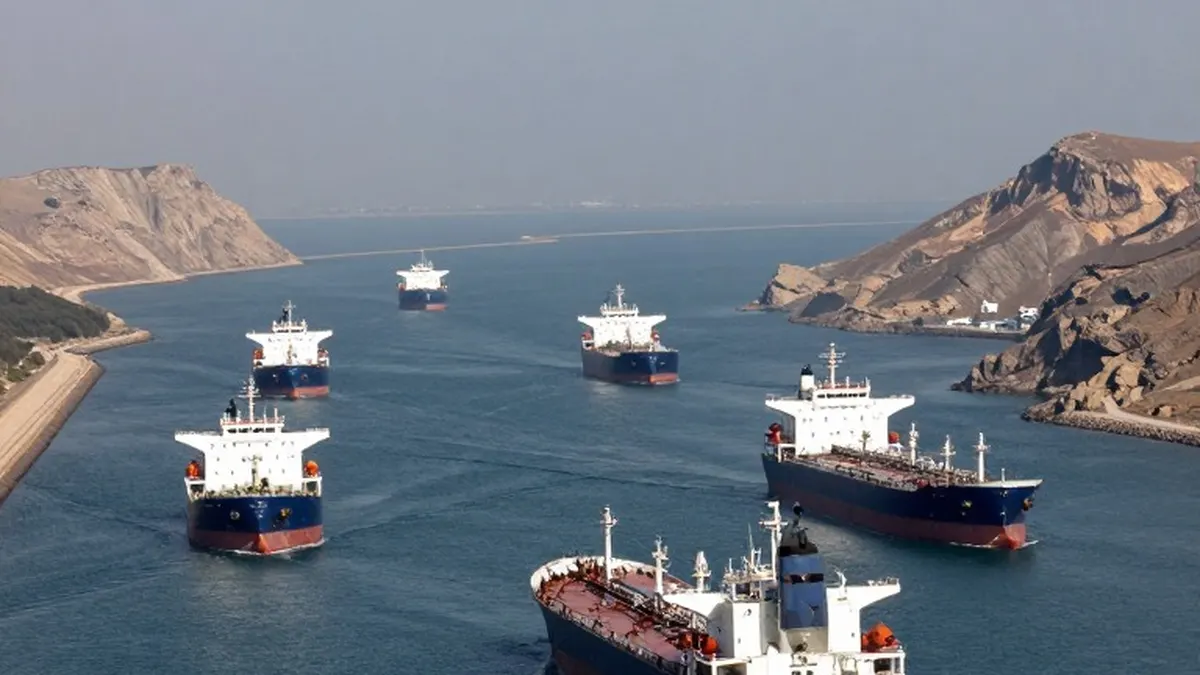
Iran has granted specific exemptions to vessels from India, China, Iraq, and Qatar under its current restrictions on the Strait of Hormuz, a senior parliamentary official announced on Tuesday. Amir Hayat Moqaddam, the deputy chairman of the Iranian parliament’s National Security and Foreign Policy Committee, stated that ships from these four nations are permitted to pass freely without interception by American forces.
The decision comes amid ongoing tensions following the start of the US-Israel war on Iran in late February. Iran effectively closed the strategic waterway at the beginning of the conflict, and the United States subsequently reimposed a naval blockade on Iran’s southern ports in July. Analysts are now examining the strategic and economic implications of allowing these specific countries to navigate the critical passage while a broader blockade remains in effect.
According to Moqaddam, Tehran expects to receive tangible benefits in exchange for these exemptions. The country is set to receive medical supplies from India and continued political backing from China. Qatar, which is currently leading mediation efforts to end the war, already provides significant diplomatic support. Moqaddam noted that Iran will collect transit fees from Indian and Chinese vessels, while Qatari ships will pass without charge. It remains unclear whether Iraqi ships will be required to pay a toll.
Experts suggest that these exemptions serve multiple strategic purposes for Tehran. Wolfgang Pusztai, a security and defense analyst, described the move as a clever tactic that could generate substantial revenue, particularly since China purchases nearly 90 percent of Iran’s total oil exports. By including India and Qatar, which has many liquefied natural gas buyers, Iran is also attempting to undermine the acceptance of Washington’s strategy in the conflict.
The four exempted nations are heavily dependent on the Strait of Hormuz for their energy trade. Data from the analytics firm Kpler indicates that in October, approximately 42 percent of the 10.23 million barrels of Gulf crude that passed through the strait went to China, while 13 percent went to India. Rouzbeh Parsi, an Iran analyst at Lund University, noted that while bartering is not new for sanctioned Iran, the current situation involves creating loopholes in the embargo to move crucial goods.
Qatar’s trade flows have fluctuated during the conflict. The country shipped no liquefied natural gas through the strait in August but managed 1.8 million tonnes in October. Meanwhile, Qatari crude transits fell from 517,000 barrels per day to 193,000, while Iraqi crude flows increased from 1.69 million to 2.65 million barrels per day over the same period. Kpler analysts noted that they have been unable to trace the origin of up to two million barrels of Middle Eastern crude per day, suggesting actual flows may be higher.
This announcement is not entirely new, as Iran began allowing friendly vessels to pass within weeks of the war starting. In April, the military command specifically exempted Iraq, which Pusztai believes is intended to support the economic recovery of its western neighbor. However, the scope of the current exemptions raises questions about how they interact with the US naval blockade, which technically applies to all vessels entering or leaving Iranian coastal areas.
US Central Command has stated that vessels avoiding Iranian ports are not affected by the blockade, and humanitarian shipments can pass after inspection. However, Moqaddam did not limit the exemptions to ships trading with other Gulf states. If the US accepts this move, it could complicate the effectiveness of the naval blockade and cover Chinese and Indian ships trading directly with Iran. The ambiguity also remains regarding whether the exemption is based on the flag, ownership, or operation of the vessel.
Ending the blockade is a key demand for Tehran before it commits to broader peace talks that include discussions on its nuclear program. Qatar-mediated negotiations are currently focused on an Iranian proposal to reopen the strait if the US meets seven conditions, including the lifting of sanctions. Pusztai observed that Iran appears to be trying to separate the issue of free passage and oil exports from the nuclear question, a strategy whose success will depend on Washington’s reaction.
For now, the impact on global oil markets remains limited. Chris Beauchamp, chief market analyst at IG Group, stated that markets are currently pricing in a peace deal. However, he warned that if the conflict escalates significantly, Iranian commanders may not have the time to distinguish targets. The exemption has not guaranteed safety, as the Qatari LNG carrier Al Mayeda was struck by unidentified objects in the Gulf on October 30. More than 120 commercial ships have been hit in the region since the war began, with October being the worst month on record.
Source: Al Jazeera