The Daily Set Lunch Is Under Threat as Rising Costs Strain Spain's Culinary Tradition
A new study suggests that while the classic Spanish midday meal persists, rising prices and shifting habits are eroding the social and economic foundations that once defined it.
By Isabella Kaur ·
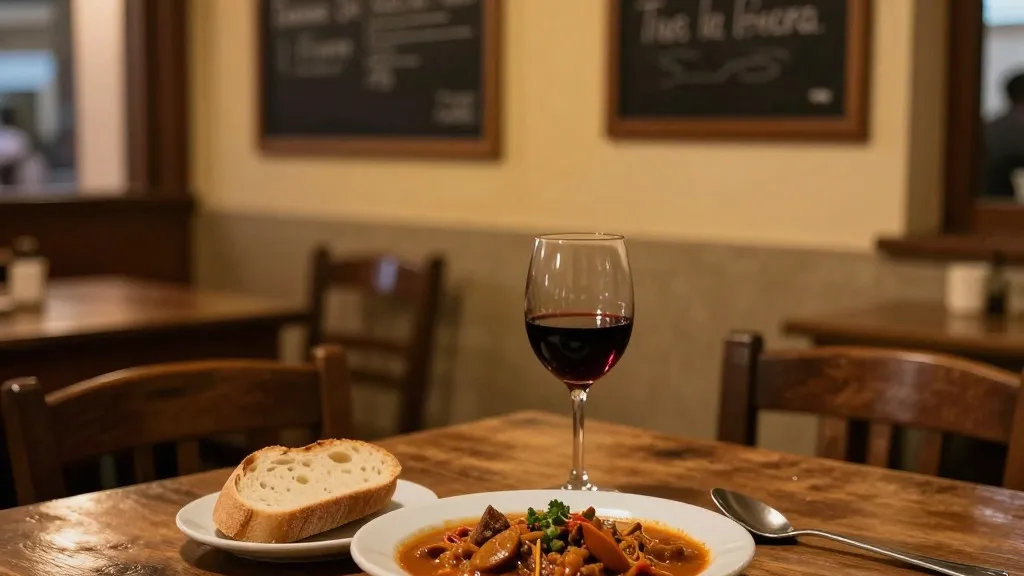
The traditional midday meal known as the menú del día is currently experiencing a significant decline in popularity across Spain. This shift marks a notable change for a dining custom that has been a staple of the country's culture for over five decades. While the practice remains widespread, it is steadily losing its dominance in the daily routines of the population. The erosion of this habit reflects broader changes in how people eat, work, and spend their money in the modern economy.
Approximately four million of these fixed-price meals are still consumed on each working day. However, this figure represents a downward trend from previous years. In 2009, renowned chef Ferran Adrià famously declared the concept obsolete, citing economic instability and the rise of bistro-style dining. Those establishments often charge between twenty and thirty euros for a simple starter, main course, and dessert, with bread and a beverage included. Seventeen years after that pronouncement, the menu endures, though its vitality is arguably diminished compared to its peak.
Spanish food journalist Lakshmi Aguirre has documented the current state of this tradition in her new book, Menú del Día: Everyday Scenes of a First Course, a Second Course and Pudding. She argues that while the format is in trouble, it has not yet disappeared. The origins of the menu are often overlooked by the public. It was introduced in the mid-1960s by Manuel Fraga, a minister under the dictatorship of Francisco Franco. The initiative aimed to show foreign visitors that food was abundant, high-quality, and affordable after the post-civil war famine. Regulations required specific components, including a soup starter, a choice of meat, fish, or egg as a main, and a sweet or fruit-based dessert.
Pricing was initially regulated between fifty and two hundred and fifty pesetas. Laws also stipulated that the included quarter-litre of wine must be pure, clean, and pleasant, with a minimum alcohol content of twelve percent. The name was later changed in the early 1970s to make the offering appear less like a tourist-specific product and to encourage local adoption. Aguirre notes that many Spaniards are surprised to learn of its political origins. She states that this rapid forgetting of history is characteristic of the national identity. Nostalgia is now increasing as the public realizes the tradition is fading.
Several factors are putting pressure on the survival of the daily menu. The average price has risen to fourteen point seven euros. Time constraints have led many to opt for quicker alternatives, such as bringing food from home or heating supermarket meals. High energy and ingredient costs make it difficult for small, family-owned restaurants to maintain a rotating daily selection. Some have simplified their offer to a single dish of the day, while others have incorporated Latin American ingredients to reflect the changing demographics of the country. Aguirre views this evolution as a natural reflection of the society that consumes the food.
For Aguirre, the significance of the menu extends beyond mere affordability. It serves as a social hub where families with limited budgets can dine out and individuals living alone can find company. She describes the true value of the experience not just as the ability to pay for a meal, but as the opportunity to have the time to enjoy it. This social function is what is being lost as the tradition recedes. The daily set lunch remains a vital part of Spanish life, but its future depends on its ability to adapt to rising costs and changing consumer expectations without losing its core identity.
Source: The Guardian