250 Families Evicted in Hebron After Soldiers Killed at Checkpoint
Residents in four neighborhoods were given one hour to leave their homes following a shooting that left two Israeli soldiers dead.
By Isabella Kaur ·
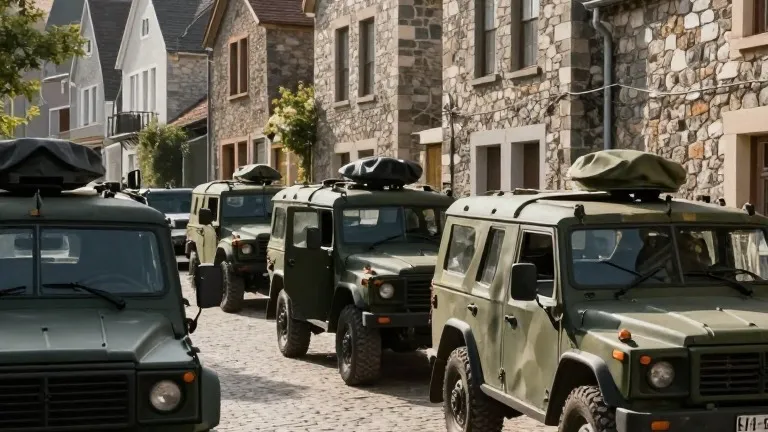
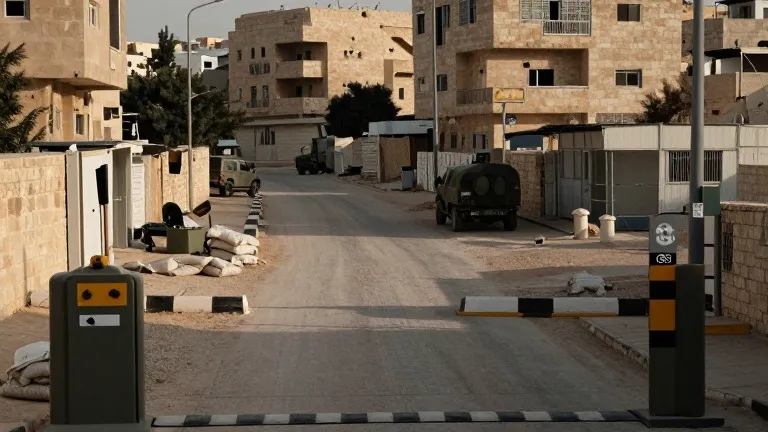
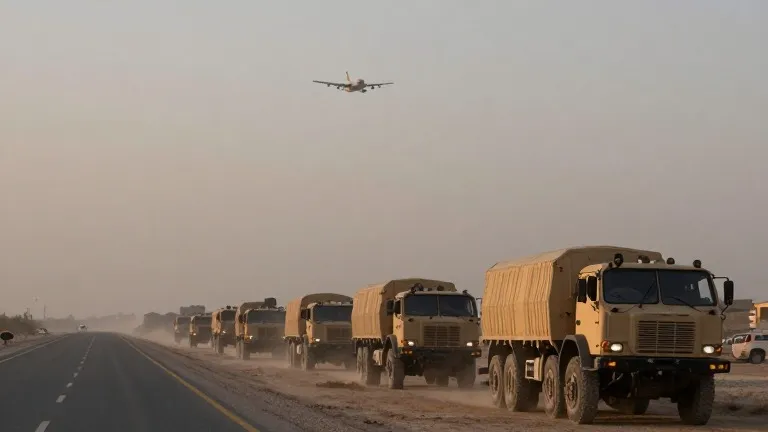
Residents of Hebron woke to the sound of boots on stone and the orders to leave. In the neighborhoods of al-Jalada, Ein Deir Bahha, Wadi al-Maghariba, and Shi'b al-Milh, soldiers told families they had one hour to pack and go. Many left with only small bags containing medicine, phone chargers, and documents. They did not know when they would be allowed back.
The displacement followed a shooting near the Farsh al-Hawa checkpoint west of the city on Friday. Two Israeli soldiers were killed and three were wounded in the attack. The military said the two Palestinian men suspected of the shooting, Ahmad and Hamouda al-Joba, were killed by Israeli fire. The army described the subsequent military action as an operation to thwart terrorism, conducted with the Shin Bet and Border Police.
Khaled al-Qawasmi, the deputy mayor of Hebron, said the military began the operation around midnight. He stated that approximately 250 families had been forced to leave by Saturday morning. He noted that this number is not final because the military siege remains in place. Qawasmi warned that if the operation expands, the city will face a crisis in finding shelter, as current facilities are limited.
Abdul Hamid Shahada, a resident in al-Jalada, described the incursion from his window. He said soldiers took positions near the homes of the Joba family, who are related to the two men killed in the shooting. Shahada said the military distributed a map designating which buildings were to be evacuated. He watched as soldiers forced families out, including one man who was beaten.
The displaced residents were directed to Al-Salam Street. From there, some went to relatives' homes, while others went to the Child Happiness Centre, which the municipality opened for them. Shahada said the soldiers told his family they could return 'until further notice.' Other families were told they would be kept out for six months to a year. Shahada said his family stayed awake all night, worried about their home, especially after seeing neighbors' houses with open doors and ransacked interiors.
Beyond the evictions, the military imposed a broad closure on Hebron and its surrounding villages. Local sources said at least 13 Palestinians were arrested in the city, while dozens were detained for field interrogations. Demolitions also occurred in Farsh al-Hawa, where around seven dunums of land were leveled. The Hebron Municipality activated an emergency plan, opening guesthouses, the Korean Centre, and other facilities to accommodate the displaced. An operations centre was set up to monitor residents' needs as the military continues to deploy forces across the city.
Source: Middle East Eye