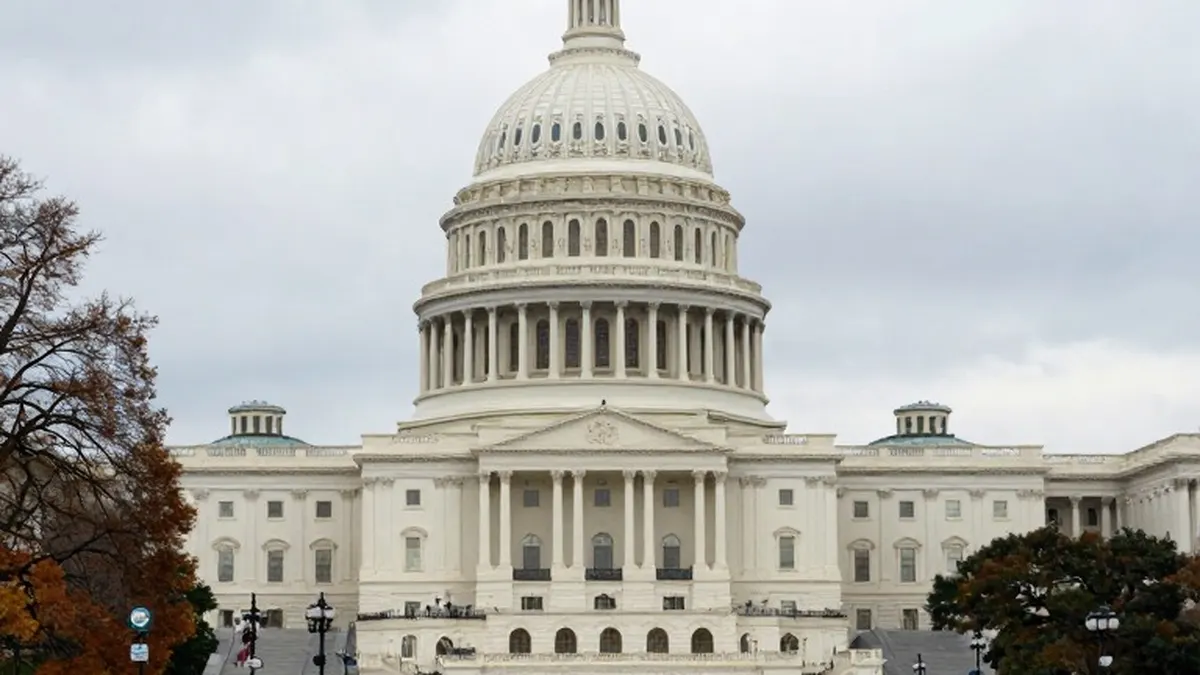
SpaceX and Tech Stocks Slide as AI Sector Faces Post Election Scrutiny
Shares in SpaceX and other major technology companies dropped significantly on Thursday following Democratic midterm victories that raised concerns over data center regulations.
By Isabella Kaur ·
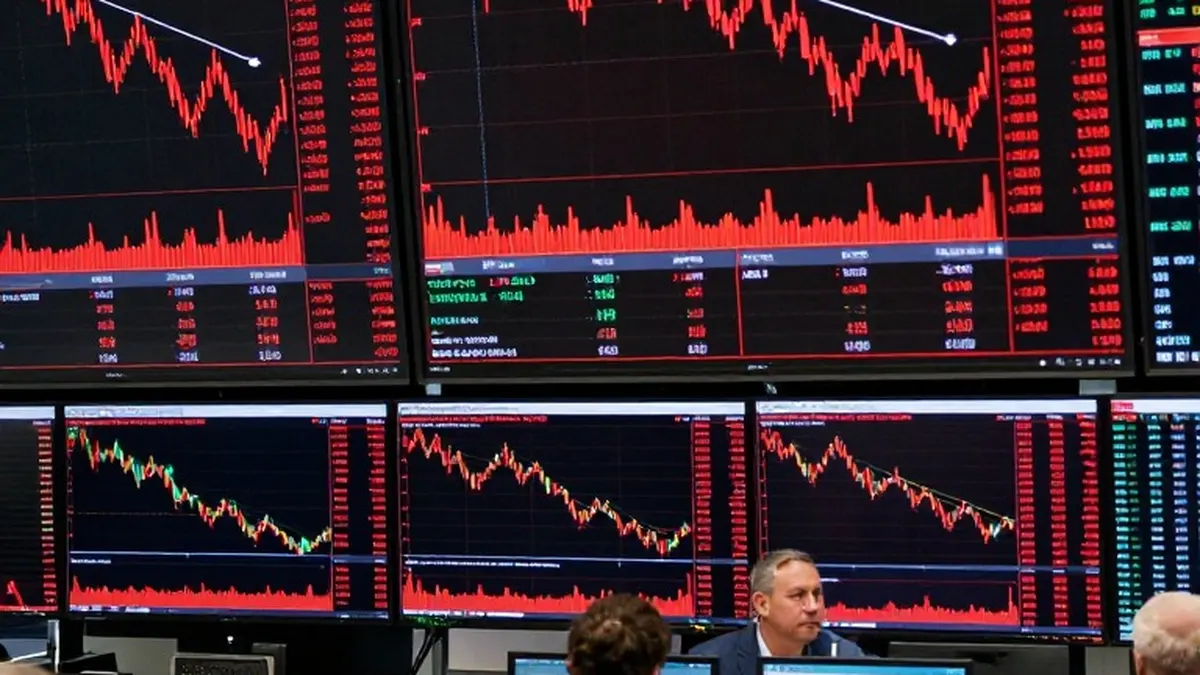
Shares in Elon Musk's SpaceX experienced a sharp decline on Thursday, mirroring a broader slump in technology and artificial intelligence stocks. The sell-off occurred one day after Democrats secured sweeping victories in the midterm elections, leading to significant losses across the tech sector. The Nasdaq Composite, an index heavily weighted toward technology firms, fell by more than 5% during early trading hours before stabilizing somewhat.
Market analysts suggest the drop is driven by fears of increased regulatory scrutiny on data center construction and the AI industry. These concerns were amplified by Democratic wins in key states, particularly Texas, where data infrastructure projects are prevalent. Investors appear to be pricing in the potential for tougher oversight that could affect the rapid expansion plans of major tech companies.
The impact on Musk's enterprises was pronounced. By lunchtime on Thursday, SpaceX shares had fallen by more than 9%, while Tesla shares dropped over 11%. This decline is notable given Musk's substantial financial backing of Republican campaigns. He spent nearly $450 million supporting these efforts, including at least $45 million for Ken Paxton's senate bid in Texas. However, the state swung to the Democrats in Tuesday's election, complicating the political landscape for his ventures.
Political developments in Texas have further fueled market anxiety. Governor-elect Gina Hinojosa campaigned vigorously against new data center projects, promising a moratorium on their construction. This stance contrasts with the previous administration's approach and has led investors to question the timeline for infrastructure growth in a critical hub for tech operations.
The downturn extended beyond Musk's companies to affect major chipmakers and semiconductor firms. AMD shares plummeted by more than 14% on Thursday. Micron saw its shares drop by as much as 17% before recovering slightly. Intel shares declined by more than 7%, and Nvidia lost nearly 9% of its value. The Philadelphia Semiconductor Index, which tracks leading chip companies, fell by 10%, reflecting the breadth of the selloff in the hardware sector.
The broader US stock market also felt the pressure. The S&P 500 index dropped by 3.8% by the midday mark. Susannah Streeter, chief investment strategist at Wealth Club, noted that the steep sell-off in the Nasdaq and S&P 500 was sending shockwaves through other markets. She described the situation as fresh panic over the AI trade hitting Wall Street hard, with fears that massive infrastructure investments may not yield the expected returns.
Streeter added that these economic worries are colliding with the prospect of a sharp slowdown in data center construction. This dual pressure from market sentiment and potential regulatory hurdles has created a challenging environment for tech stocks. Investors are increasingly concerned that the current valuation of AI shares may represent a bubble that is due for a correction.
In response to the backlash, several tech leaders have acknowledged that the industry needs to improve its communication strategies. They recognize that the public and local communities require clearer explanations regarding the benefits of AI and the infrastructure supporting it. This shift in approach aims to build greater support for future projects and mitigate political resistance.
Greg Brockman, president and co-founder of OpenAI, stated that many in the industry were surprised by the reaction to data centers. Speaking at the WSJ Tech conference in Napa, California, on Wednesday evening, he emphasized the need to engage directly with local communities rather than relying on remote announcements. He noted that building infrastructure in states like Texas and Georgia requires a different strategy than operating in San Francisco.
Dina Powell McCormick, president of Meta, echoed these sentiments at the same conference. She argued that the industry must double and triple down on telling the story of AI's benefits. By improving outreach and transparency, tech leaders hope to align their goals with community interests and stabilize investor confidence in the coming months.