Hebron residents told to leave homes as military clears buildings
Thousands of residents in western Hebron are being asked to evacuate their neighborhoods while Israeli forces demolish structures and search for hidden weapons following a deadly attack on two soldiers.
By Hassan Okoye ·
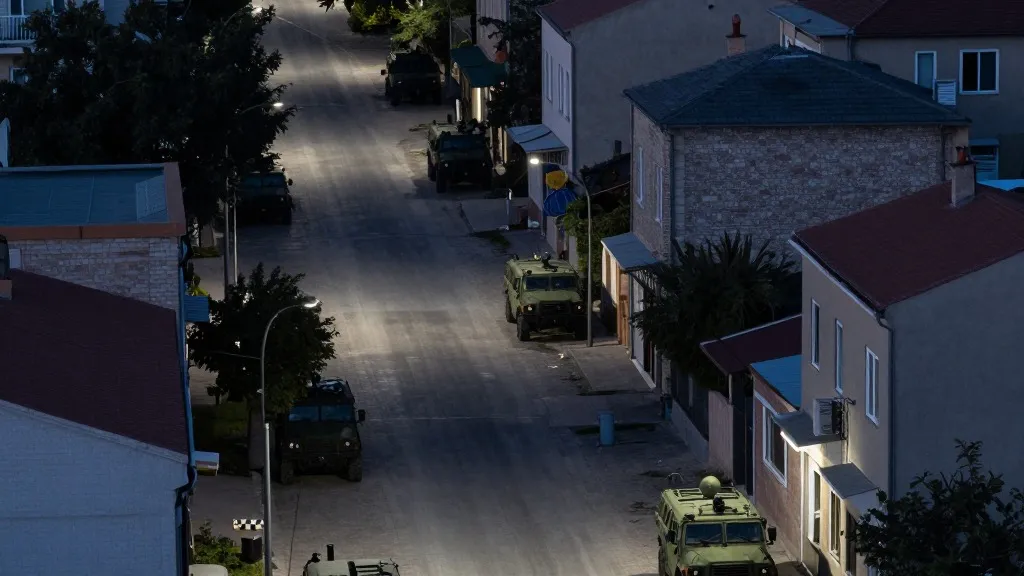
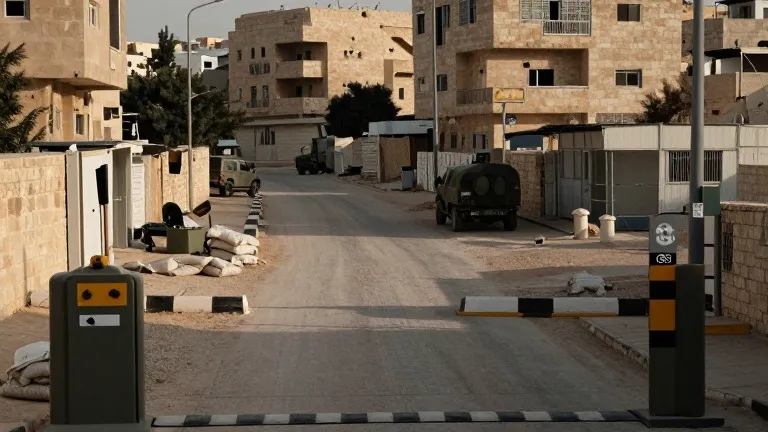
For many residents in the western districts of Hebron, the last two days have brought a sudden shift in daily life. Families in the al-Jalda and Ein Dir-Baha neighborhoods have been asked to leave their homes temporarily. This is not a permanent displacement, but a tactical move by security forces who need clear access to the buildings. Civilians who wish to leave can do so through specific checkpoints managed by the military and the Shin Bet intelligence agency. The goal is to let troops search the area without civilians present, reducing the risk to both sides.
The scale of the operation is significant. Israeli forces and Civil Administration officials have demolished illegal structures and infrastructure near the northern entrance to the city. These demolitions are being carried out close to the site of a violent incident that occurred earlier in the week. On Friday, two soldiers were killed in a shooting at Yehuda Junction. The victims are identified as St.-Sgt. Ron Yonatan Roytman and Sgt. Yuval Shai Svilem. The military stated that removing these structures is necessary to enforce law and order and to eliminate security threats that the buildings might pose.
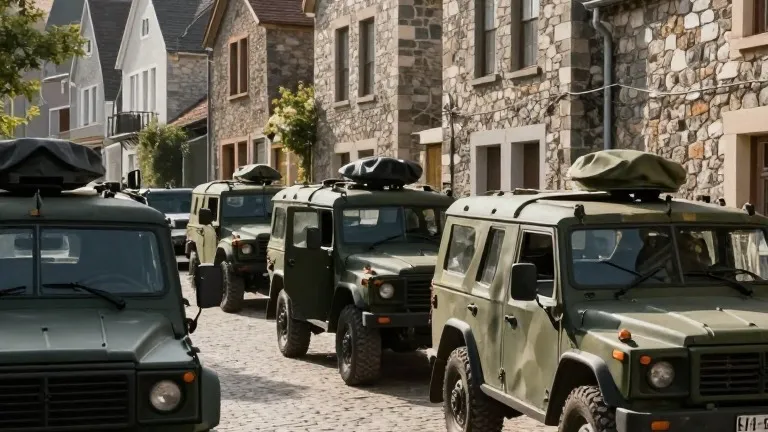
The operation is being led by the Judea Brigade, but it involves a wide array of military and police units. Troops from the Duvdevan and Maglan units, along with the Paratroopers Brigade, are on the ground. Givati reconnaissance reservists and Border Police officers are also participating. The Shin Bet security agency is providing critical intelligence guidance for the campaign. According to official figures, soldiers have already searched approximately 200 locations. During these searches, they have ruled out the presence of weapons or active terrorist activity in most spots, but they have arrested ten suspects in the process.
Military assessments suggest that roughly 2,000 residents in the affected area belong to the Ja'aba clan. This group is affiliated with Hamas and is linked to the gunmen who carried out Friday's attack. Central Command officials identified the attackers as Hamouda and Firas al-Ja'aba. They noted that both men came directly from the Ein Dir-Baha neighborhood. The area is well known to the security establishment as a hub for Hamas operatives in Hebron. Officials say that evacuating residents allows for a thorough search of family homes, immediate surroundings, and structures for terrorist infrastructure, weapons caches, ammunition, and even explosives laboratories.
The stakes extend beyond the immediate neighborhood. A situational assessment is scheduled for Saturday to determine if the operation should be expanded. Meanwhile, Brig.-Gen. Kobi Heller, commander of the IDF's West Bank Division, has already broadened arrest operations and searches in other key areas. These include Nablus, Jenin, and Tulkarm, as well as additional locations throughout Samaria. The timing of these expanded operations is notable. They come amid concerns that Hamas leadership abroad is attempting to orchestrate terrorist attacks ahead of upcoming elections. The military is moving with a sense of urgency to disrupt these plans.
For the people living in Hebron, this is a moment of heightened tension. The presence of troops in the streets and the request to leave one's home are disruptive and stressful. However, officials argue that the temporary nature of the evacuation is a necessary trade-off for a more effective security sweep. The military emphasizes that the actions are proportional to the threat posed by the recent killings and the ongoing intelligence picture. As the day progresses, residents are waiting for further instructions on when they can return to their neighborhoods.
The broader context involves a complex interplay of local dynamics and national security goals. The involvement of multiple elite units and intelligence agencies signals that the military views this as a significant counterterrorism campaign rather than a routine patrol. The focus on the Ja'aba clan and the specific neighborhoods reflects a targeted approach to dismantling terrorist networks. The demolitions are intended to alter the physical landscape, making it harder for future attacks to be planned or executed from these locations. The military hopes that this combination of force and intelligence will restore a sense of security to the area.
As the operation continues, the focus remains on gathering intelligence and securing the area. The arrests made so far are seen as a crucial step in building a case against those involved in the attack. The military is also working to ensure that the evacuations are managed smoothly, with clear communication to the residents about the process. The situation is fluid, and the decisions made in the coming hours will shape the next phase of the campaign. For now, the residents of al-Jalda and Ein Dir-Baha are in a state of waiting, hoping for a swift return to normalcy once the security teams complete their thorough searches.
Source: The Jerusalem Post