33 Million Brazilians Skip Ballot as Osasco's Industrial Base Collapses
The shift from factory jobs to app-based work in Osasco marks a structural break in Brazil's political economy, driving first-round abstention to its highest level since 1998.
By Isabella Kaur ·
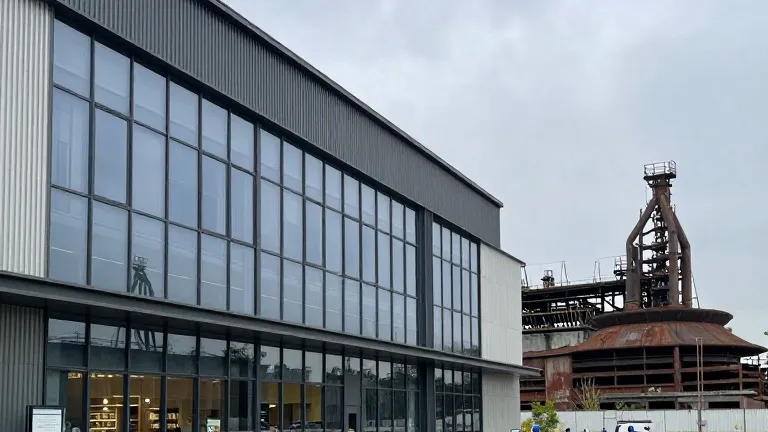
Thirty-three million Brazilians did not cast a ballot in the first round of the presidential election, a record high for the country since 1998. This surge in abstention coincides with a fundamental restructuring of the Brazilian labor market, particularly in industrial hubs like Osasco, a suburb of São Paulo once defined by heavy manufacturing. The city, now referred to as São Paulo's "Silicon Valley," has seen its factories replaced by shopping malls and delivery app companies, altering the economic reality of the working class.
The political impact of this shift is visible in Osasco, which supported President Luiz Inácio Lula da Silva in 2022 but voted for right-wing candidate Flávio Bolsonaro in this month's first round. Gilberto Almazan, who leads a local metalworkers' union, describes the transformation as a move away from traditional industrial labor. He notes that metal, chemical, and textile plants have vanished, leaving five new malls in their place. Almazan characterizes the union movement that helped build Lula's political base as stuck in the "Middle Ages," arguing that the new workforce prioritizes flexibility over collective bargaining.
This transition, which Almazan terms "Uber-isation," has left many workers feeling disconnected from the traditional welfare model Lula represents. Richard Lapper, a biographer of both Lula and Jair Bolsonaro, observes that Brazil industrialized late and deindustrialized early, intensifying the economic shock. While unemployment has reached a record low and Brazil was removed from the UN's Hunger Map under Lula, Lapper points to a crisis of expectations. High prices, household debt, and interest rates have eroded the sense of progress among voters, leading some, like 53-year-old civil servant Robson, to blame the government for a heavy tax burden.
The runoff contest is being shaped by these economic grievances. Flávio Bolsonaro has proposed cutting government spending and ministries while retaining some of Lula's flagship welfare programs. He also faces corruption accusations, which he denies. In the poorest areas, such as the Maré favela in Rio, Lula retains support among those who benefit most from his policies. Vitoria, an 18-year-old mother earning under £300 a month, cites the minimum wage increase and free medicines as key reasons for her support. However, she and other residents express fear over Bolsonaro's plan to designate the Comando Vermelho gang a terrorist organization, following police raids in Rio last year that killed more than 130 people.
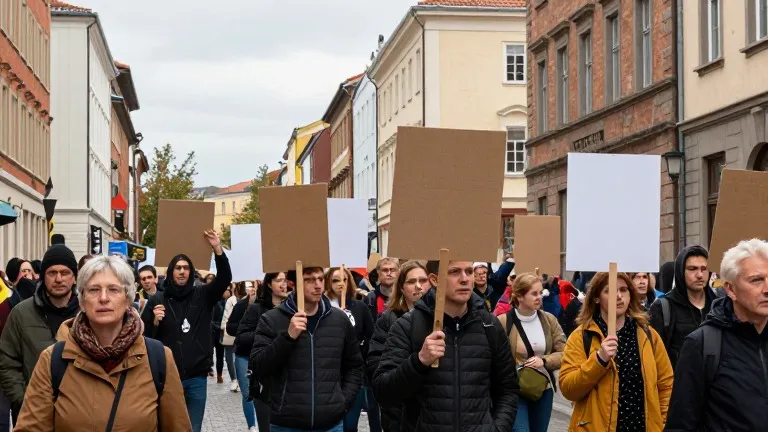
Lula's campaign is responding to the turnout gap by mobilizing hundreds of thousands of people, particularly students, for street rallies. A recent event in São Paulo reportedly drew about a million attendees, a figure highlighted by aerial footage circulating online. Lula, 80, has also used social media to counter narratives about his age, referring to himself as the "king of selfies." Evangelical churches, attended by about a quarter of Brazilians, are increasingly filling service gaps with childcare and food assistance. Pastor Silas Malafaia, who is being investigated for allegedly obstructing the coup trial of Jair Bolsonaro, states that Flávio Bolsonaro shares the church's values on family and abortion, though the first round appeared more like a rejection of Lula than an endorsement of his rival.
Source: BBC News