2,000 Trapped in Oleshky Face Four-Day Ceasefire to End Hunger
A ceasefire begins October 27 in the occupied city to allow for evacuation and aid delivery, following weeks of diplomatic pressure.
By Hassan Okoye ·
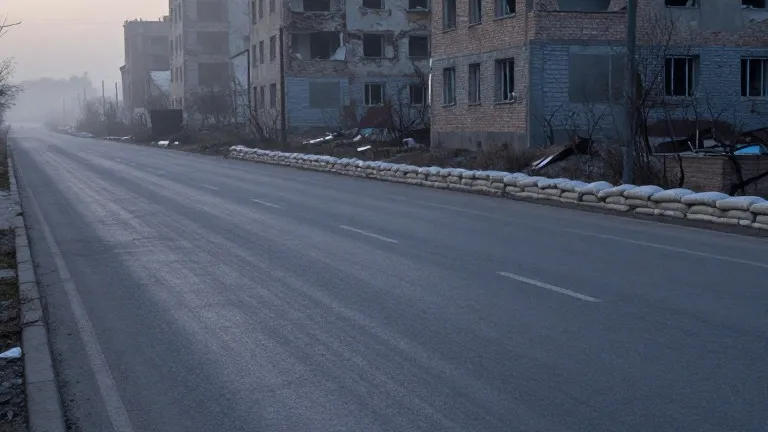
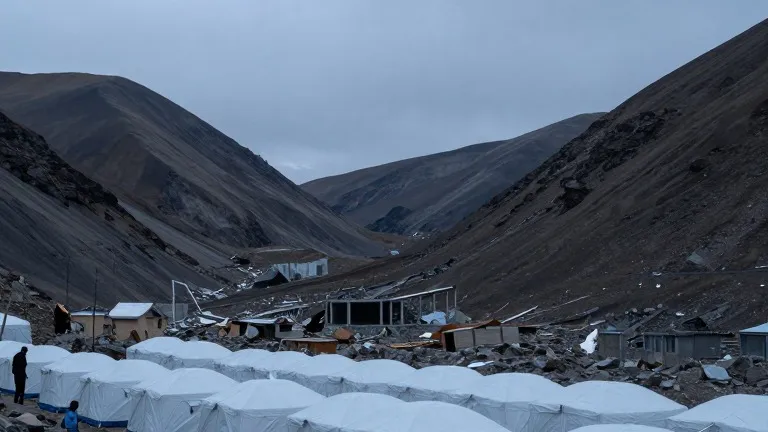
Approximately 2,000 people remain trapped in the Russian-occupied city of Oleshky, where residents are reportedly surviving on boiled grass, weeds, and minimal rations. The White House announced on Friday that Russia and Ukraine have agreed to halt all military operations in the city starting October 27. This four-day pause is designed to facilitate the delivery of aid and the evacuation of civilians.
Melania Trump’s office claimed the truce was brokered by her representative, who negotiated directly with Russian and Ukrainian leaders. In a statement, Trump said residents would receive coordinated transportation to their chosen destinations, noting that some would likely travel to Russia and others to Ukraine. Ukrainian officials had previously stated that Russia rejected earlier calls for a humanitarian pause, a claim that contrasts with the current agreement.
Ukraine’s ombudsman, Dmytro Lubinets, confirmed the mission includes demining roads into the town and delivering food. He stated that a sufficient quantity of aid would be provided to meet the needs of everyone, adding that officials want the effort to extend beyond a single event and beyond the city limits. Lubinets had indicated on October 18 that an agreement was near, without initially crediting the first lady’s involvement.
The diplomatic move arrives as tensions between Washington and Kyiv rise. Ukrainian forces report widespread disruption to the Starlink satellite network, which has hampered drone operations. The slowdown began after President Donald Trump and Elon Musk publicly criticized President Volodymyr Zelenskyy over strikes on Russian oil refineries. Both Musk and Trump have denied direct responsibility for the technical issues, though Trump told reporters he would speak to Musk if the problem persisted.
Ukrainian officials said internet speeds remained capped at roughly 100 miles per hour on Friday. Serhii Beskrestnov, a military expert advising Zelenskyy, observed no lifting of restrictions. This technical limitation prevents high-speed military equipment from maintaining connectivity, affecting both offensive and defensive drone capabilities. The issue has exacerbated friction with Washington, which recently suspended intelligence sharing with Kyiv.
Amid the ceasefire announcement, Russia launched another overnight barrage on Ukraine. Kremlin spokesperson Dmitry Peskov said trilateral talks between Russia, Ukraine, and the US are expected to resume in Abu Dhabi in November. Meanwhile, Russian deputy prime minister Alexander Novak announced that three tankers were heading to the US, with Russian companies set to supply 500,000 metric tonnes of diesel in October.
President Putin told state television late Thursday that the territories lost by Kyiv are Russia’s historical lands. He insisted Moscow would achieve all objectives of its full-scale invasion, maintaining that Ukrainian withdrawal from eastern territories and a drastic military cut remain key demands for peace.
Source: The Guardian