Wisconsin City Reverses Datacenter Zoning After 11,000 Residents Mobilize
Menomonie officials paused a secret $1.6 billion AI campus project following intense community backlash and a unanimous vote to create a new regulatory framework.
By Yuki Kaminski ·
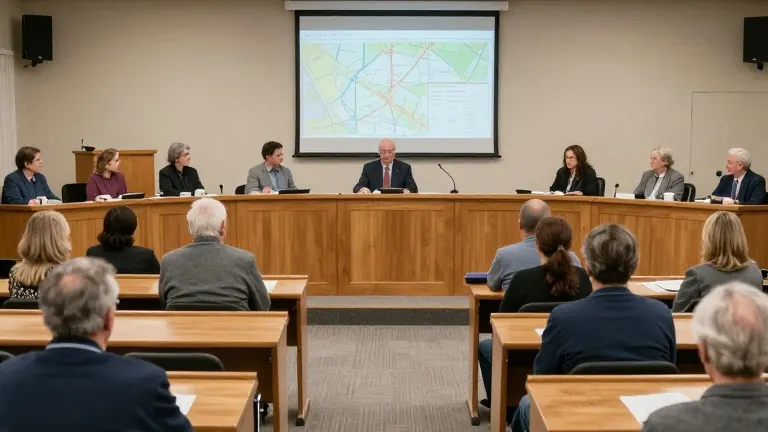
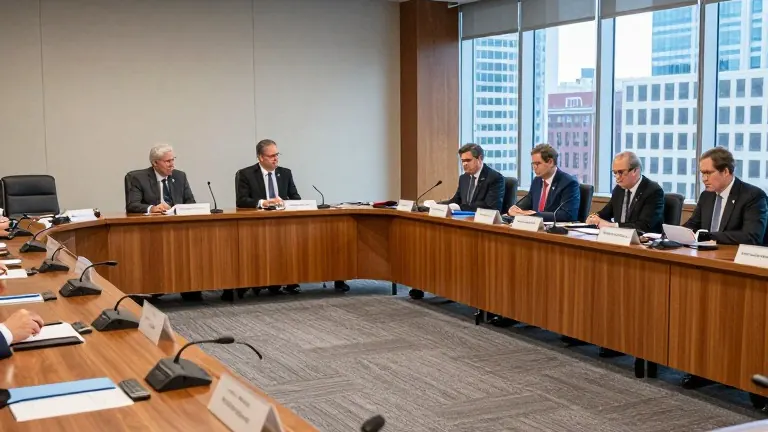
Menomonie, Wisconsin, effectively paused a proposed 320-acre AI datacenter campus in January after the city council unanimously adopted a new zoning ordinance. The move reversed a previous definition that allowed digital data facilities to be classified as standard warehousing. The ordinance now requires any developer, including Balloonist LLC, to apply for a specific datacenter zone, halting the momentum of a project that had cleared major procedural hurdles just months prior.
The development traces back to February 2024, when city administrator Eric Atkinson and public works director David Schofield signed nondisclosure agreements with Balloonist LLC. These one-page contracts prohibited the officials from revealing the identity of the parent tech company or even the existence of the agreement. In April 2024, the council approved an ordinance redefining warehousing to include data storage and transmission, a change made without clear public knowledge of the pending project. By March 2025, the council approved a pre-development agreement in closed session, committing the city to reimburse Balloonist up to $200,000 for site and environmental reviews.
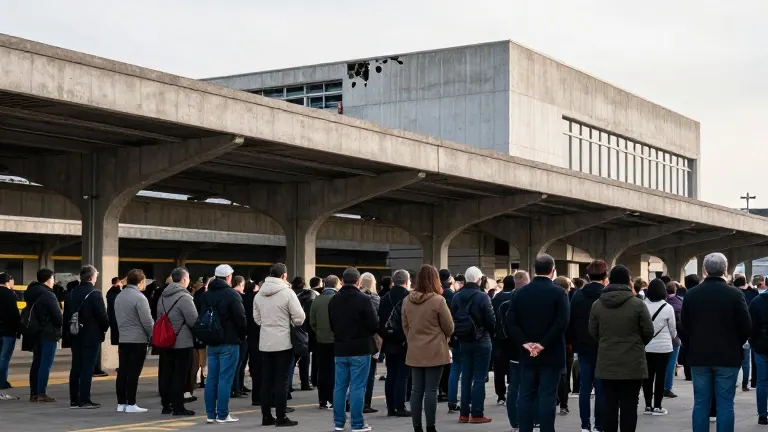
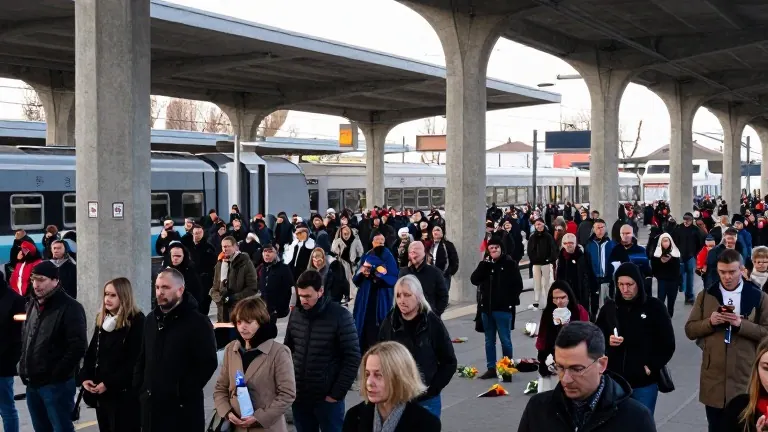
Public awareness of the project emerged in July 2025 via a city press release. By August, the community responded with intense opposition. Residents flooded the council chamber, with public comment stretching to nearly two and a half hours. Tim Accola, whose 1899 home sits directly across from the site, testified that noise and water usage issues would force him to sell his property. The Stop the Menomonie Data Center Facebook group grew to nearly 11,000 members, coordinating protests and strategy sessions across the state.
Councilmembers, many of whom served part-time with limited staff, navigated the complex terms with mixed tools. One member, Chad Schlough, admitted to using ChatGPT to prepare for meetings with Balloonist consultants, describing the sessions as informal chats where developers sought to gauge voting intentions. Despite the initial lack of transparency, the council voted in favor of annexing the land and rezoning it for industrial use in August 2025. That vote cleared the path for the developer, which had promised to be water positive by 2030 and create up to 1,000 temporary construction jobs.
Mayor Randy Knaack responded to the mounting pressure by issuing a memo to halt the project's progression. The subsequent January zoning change created a new regulatory step for Balloonist and other potential developers. While the project is not officially canceled, the new ordinance pauses its immediate implementation. Atkinson and Schofield did not respond to requests for comment, and an attorney for Balloonist LLC also remained silent. The city now faces a defined process for future datacenter applications, marking a shift from the secretive negotiations that began in early 2024.