Windward Buys Azimut.ai to Enhance Maritime Tracking with Visual AI
The acquisition allows Windward to identify ships using camera networks, providing a new layer of intelligence that works even when traditional tracking signals are disabled.
By Hassan Okoye ·
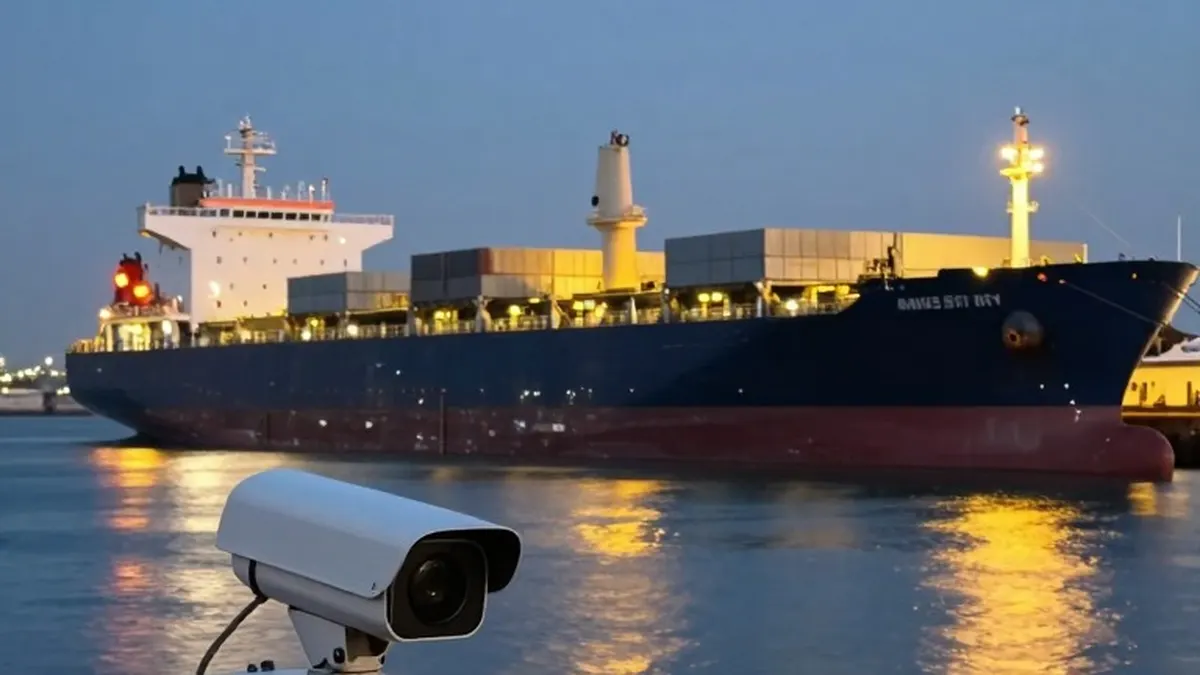
Maritime artificial intelligence firm Windward has finalized the acquisition of Azimut.ai, a startup specializing in visual intelligence for the maritime sector. This strategic move integrates camera-based vessel identification and tracking capabilities into Windward's expanding intelligence platform. The new technology enables the company to monitor and identify ships through networks of cameras installed at key ports and critical maritime chokepoints.
The addition of this visual sensing layer is intended to complement Windward's existing data sources, which include Automatic Identification System transmissions, satellite imagery, and radio frequency data. By combining these elements, the company aims to offer a more comprehensive view of maritime activity for both government agencies and commercial operators.
Azimut.ai's technology relies on cameras to detect, classify, and identify vessels in real time. The system analyzes video feeds to calculate a ship's location, course, and speed. A key feature of the platform is its ability to fingerprint ships and generate tracking data even when traditional vessel-transmitted signals are unavailable or have been deliberately switched off by the operators.
The visual detections will be integrated into Windward's main platform. Here, they can be cross-referenced with vessel ownership records, sanctions lists, cargo intelligence, and behavioral analytics. This combination creates a broader operational picture by incorporating various risk indicators, helping users make more informed decisions about maritime security and logistics.
The timing of the acquisition reflects growing challenges faced by maritime operators. Many vessels now intentionally disable tracking systems or operate in areas where traditional sensors provide limited visibility. Windward stated that the new visual intelligence capabilities are designed to close these gaps by offering an independent method for identifying vessels that does not rely on the ship's own electronic emissions.
Ami Daniel, CEO and co-founder of Windward, described the deal as the first step toward building a proprietary visual intelligence layer. He noted that the company has long used AI to unify various maritime signals into a single operational view. Daniel said, "Now we are redrawing the boundaries of maritime intelligence." He added that owning these assets outright provides customers with a level of awareness and preparedness that competitors cannot easily match.
Daniel further emphasized the importance of data in the current technological landscape, referring to the age of Agentic AI. He stated, "Data is the new oil, and this will allow us to provide our customers access to the most refined, accurate, and relevant dataset for maritime decision-making." This approach aims to ensure that users have the most precise information available for navigating complex maritime environments.
Azimut.ai was founded to develop software that transforms existing maritime surveillance cameras into what the company describes as a smart visual radar. The platform analyzes live video feeds to automatically identify vessels and generate alerts when unusual activity is detected. By leveraging existing electro-optical and infrared camera infrastructure, the technology allows ports and security agencies to expand their surveillance coverage without the need to deploy additional sensors.
Privacy is a central design consideration for the system. Windward explained that the platform does not provide customers with raw images or video footage. Instead, users receive processed intelligence outputs and vessel-related assessments. This approach helps protect privacy while still delivering actionable data to operators and security agencies.
As part of its expansion plans, Windward intends to build a broader network of camera installations at strategic maritime locations. The company plans to achieve this through partnerships with port operators and other stakeholders across the maritime sector. Daniel invited all stakeholders in the maritime domain to reach out and become site partners, emphasizing that a collaborative community approach will lead to safer and more secure oceans.