Democratic Midterm Wins Reshape Outlook for US-India Relations
A Democratic sweep of Congress signals increased scrutiny on trade and immigration policies that have strained ties between Washington and New Delhi.
By Hassan Okoye ·
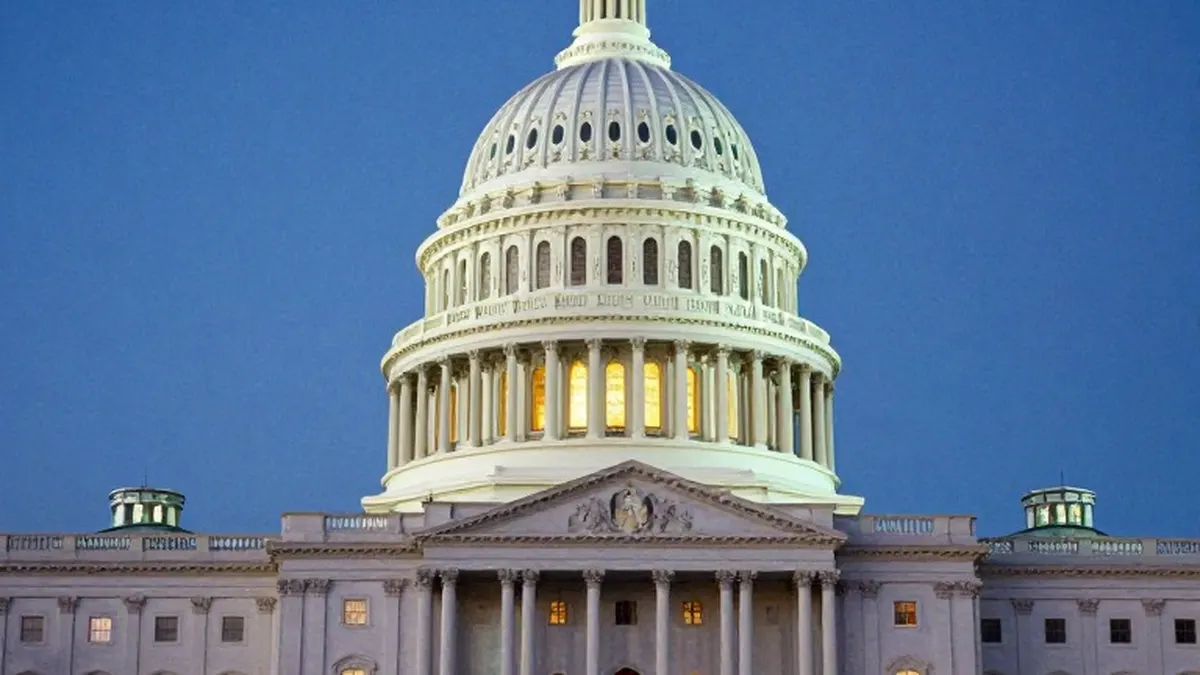
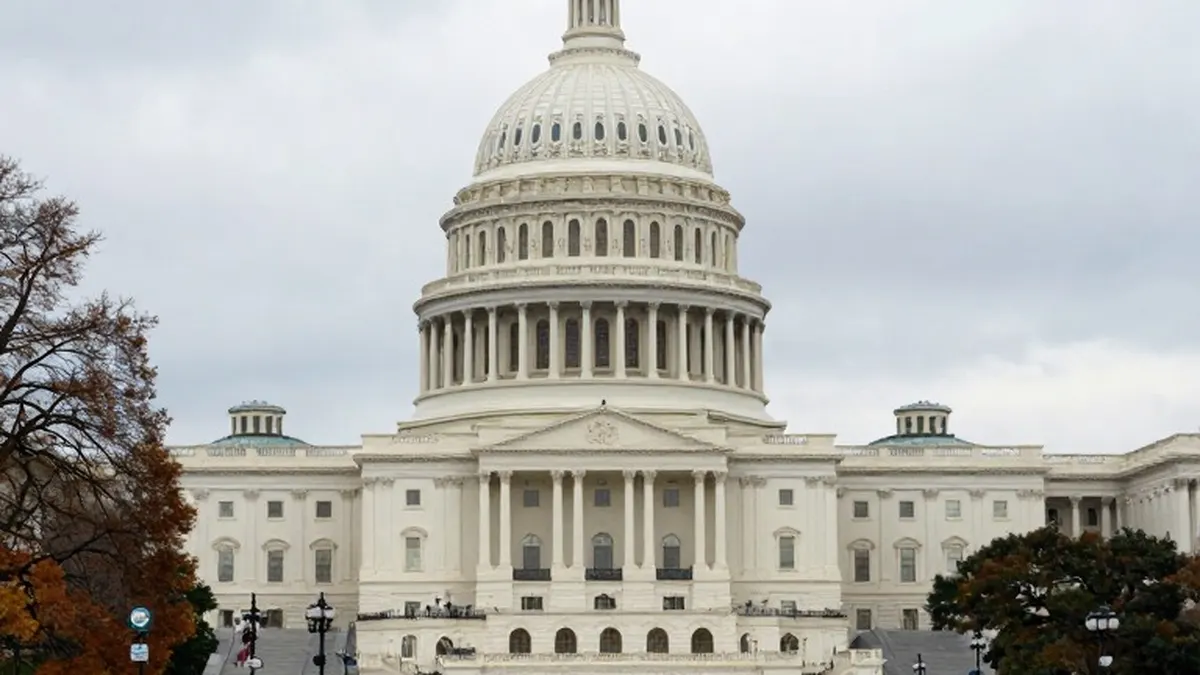
The Democratic Party’s decisive victory in the November midterm elections has granted the opposition control of both chambers of Congress. This shift places the Republican administration of President Donald Trump under heightened scrutiny through the remainder of his term. Analysts expect this new political balance to influence how Washington handles its strained relationship with India, particularly regarding trade, immigration, and geopolitical strategy.
Trade remains the primary point of contention between the two nations. Although President Trump and Prime Minister Narendra Modi discussed an interim framework in February, the agreement has not been formalized due to disagreements over market access. Shanthie Mariet D'Souza, founder of the Mantraya Institute of Strategic Studies, predicts that the new Congress will apply increased scrutiny to protectionist measures. She noted that lawmakers may push for stronger oversight and clearer standards on environmental and labor issues, which could provide some relief for India, whose largest export market is the United States.
Immigration policy presents a separate challenge for the partnership. The administration recently tightened H-1B visa rules, including a significant fee increase for certain new petitions. This move has alarmed Indian professionals and technology companies that rely on the program. Rajkrishna Iyer, a California-licensed immigration lawyer, believes the new fee will likely face legal challenges. He argued that while the executive branch can adjust for inflation, such steep charges may be struck down by federal courts because they are not reasonable. Iyer stated that only Congress has the power to pass legislation of this magnitude.
Geopolitical dynamics, particularly regarding Russia, also face potential shifts. While the administration has granted waivers on oil bans and sanctions, the US maintains a preference for reducing dependence on Moscow. D'Souza expects the administration to approach this issue with diplomatic caution to avoid further straining relations with New Delhi. However, the new congressional majority may seek a different course, although a substantial number of Democrats previously joined Republicans in endorsing trade restrictions against Russia during a September vote.
The ongoing conflict in the Middle East adds another layer of complexity. Escalations could affect energy exports, making India more vulnerable due to its high oil import needs. Navtej Sarna, a former Indian ambassador to the US and Israel, cautioned against overanalyzing the immediate impact of the election results. He suggested that much depends on how Trump reacts, but he expects Washington to become a more contested place with greater congressional pushback on divisive issues.
Security cooperation remains a stumbling block as well. New Delhi is still the largest buyer of Russian arms, a fact that irritates Washington. Conversely, India has objected to US weapons sales to Pakistan, including a recent deal for advanced military technology for F-16 jets. D'Souza noted that while this is a complex issue, regional stability concerns will likely prevent significant policy changes in the near term.
The broader question is whether the election will produce a more predictable Washington or a more confrontational president. Amitabh Mattoo, dean of the School of International Studies at Jawaharlal Nehru University, hopes the electoral setback will prompt a more considered review of earlier actions. However, he warned that Trump could double down on a harder line towards New Delhi if he believes the Indian diaspora played a role in the Republican defeat.
Harsh Pant of the Observer Research argued that the president retains considerable leverage over foreign policy despite the setback. He noted that the India-US partnership has traditionally enjoyed bipartisan support and is unlikely to be a major point of clash between the White House and Congress. Nevertheless, the past two years reinforce the need for India to reduce its dependence on any single partner through diversification and self-reliance in critical sectors.
Source: Deutsche Welle