Bedouin Community Demolished as E1 Settlement Plan Faces Legal Hurdles
Israeli NGOs report that nearly half of the Bir al-Maskub community has been demolished to clear the way for the controversial E1 development project near Jerusalem.
By Hassan Okoye ·
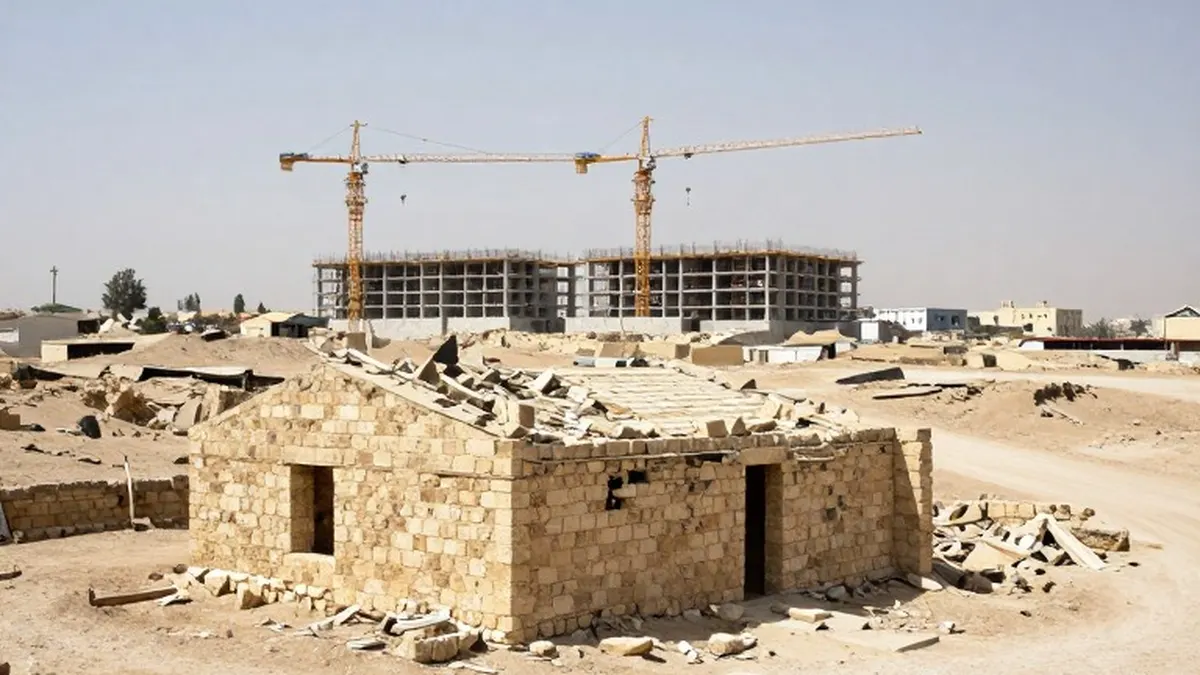
A joint statement released on Thursday by the Israeli non-governmental organizations Bimkom, Ir Amim, and Peace Now reveals that a Bedouin community in the West Bank is currently undergoing demolition. This action is being taken to prepare the land for the E1 settlement plan, a significant construction project situated in the vicinity of Jerusalem. The organizations described the process as a critical step in the broader development of the area.
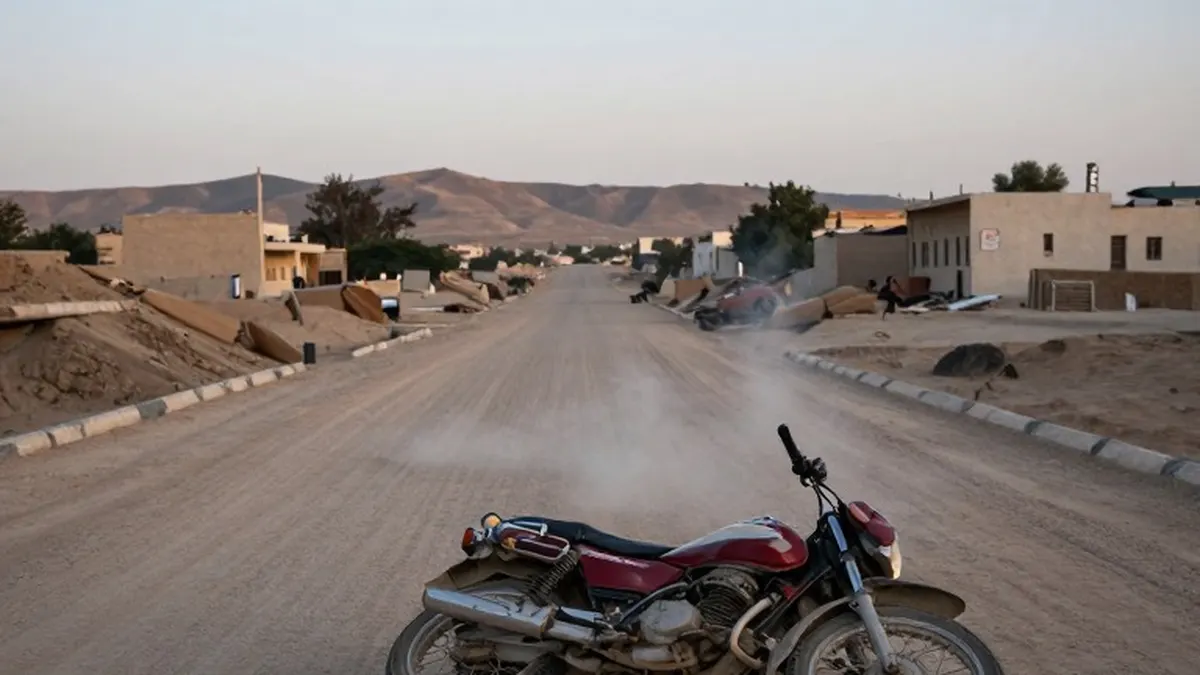
According to the statement, Israeli authorities have already razed nearly half of the structures in the Bir al-Maskub community. The demolitions are being carried out under legal orders that date back to 2008. The remaining buildings in the community are scheduled to be dismantled in the coming period to complete the clearance of the site.
The E1 project encompasses a largely undeveloped zone located between Jerusalem and the settlement of Ma'ale Adumim. The plan calls for the construction of 3,401 housing units within this area. Due to its strategic location and the scale of the proposed development, the project has become one of the most disputed construction efforts in the West Bank.
The NGOs highlighted that the demolished buildings included essential living spaces such as homes, kitchens, and sanitation facilities. The operation has resulted in the displacement of approximately 20 Bedouin residents, who have been forced to leave their homes as part of the preparation for the new settlement infrastructure.
The statement noted that the Israeli government classifies the community and similar settlements as illegal. The government's position argues that the Bedouin population's traditional lifestyle, which involves moving across large areas without formal planning or fixed property arrangements, is incompatible with the requirements for planned urban development.
In response, the non-governmental organizations argued that the demolished structures were situated more than one kilometer away from the nearest homes in Ma'ale Adumim. They claimed that this significant distance undermines the government's assertion that the demolitions were strictly necessary to accommodate the new development plans.
The E1 project continues to face pending legal challenges and has become a focal point for international diplomatic efforts. It even serves as the basis for threats of sanctions from foreign governments. In October, UK Foreign Minister Ed Miliband urged businesses and individuals to refrain from proceeding with bids for E1 construction tenders.
Miliband warned that those involved in the project should be aware of the potential legal and reputational consequences. He specifically cited the risk of involving themselves in serious breaches of international law as a key factor for consideration.
In a related legal development, the Jerusalem District Court allowed a tender for 1,234 homes in the E1 area to move forward in September. However, the court did not make a final determination on the legality of the underlying construction plans, leaving the broader legal status of the project unresolved.
The situation in Bir al-Maskub and the broader E1 area remains a subject of intense debate, with legal proceedings and international pressure continuing to shape the future of the project. The interplay between local displacement and large-scale settlement expansion continues to define the dynamics in this region.