US Weather Agency Faces Historic Test as Staffing Crater and El Niño Peaks
Noaa has shed 20% of its workforce since early 2025, leaving forecasters to monitor a strengthening climate event with reduced resources and limited research tools.
By Hassan Okoye ·
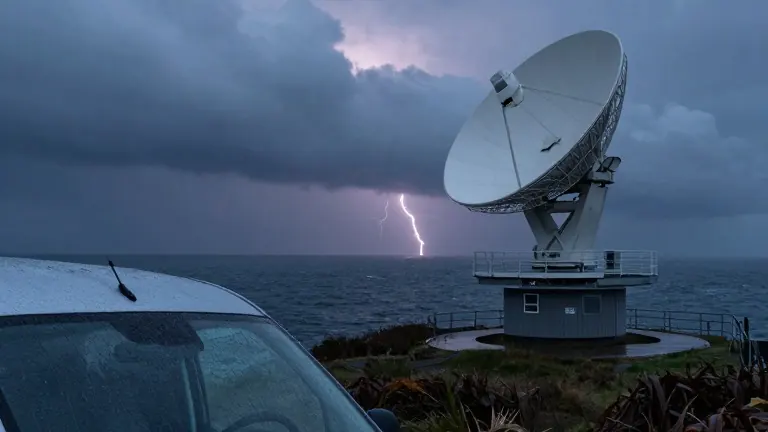
The United States enters winter facing a powerful El Niño event while its primary climate agency operates with a significantly reduced workforce.
Experts warn that structural cuts to the National Oceanic and Atmospheric Administration (Noaa) have diminished the country’s capacity to predict and manage extreme weather.
Since January 2025, the agency has lost approximately 20% of its employees. Data from the US Office of Personnel Management indicates a loss of more than 3,000 staff members, the largest decline in a decade.
The National Weather Service, a component of Noaa, reports hundreds of vacant meteorological and technical roles across its 122 forecast offices. The public affairs division was cut by half, and IT management staff decreased by 27%.
Tom Di Liberto, a former Noaa scientist and media director at Climate Central, stated that the system has not been fully tested since these reductions occurred.
"Whether we as a country can handle the kind of coast-to-coast extremes that could potentially happen this winter is a big question," Di Liberto said.
The current El Niño is characterized by elevated sea surface temperatures along the equator. Forecasts indicate it will strengthen through the northern hemisphere winter, driving storms in the American west and raising California sea levels by up to one foot.
Operational gaps are already evident in the field. Weather balloon launches in the Great Plains have been delayed or limited, affecting tornado preparedness. Warnings to rural Alaska were restricted, a region where floods displaced over 1,500 people earlier this year.
The Government Accountability Office found that staffing and funding cuts led to inadequate multilingual weather alerts. This shortcoming placed 26 million people in the US at higher risk during severe weather events.
Research funding has also contracted sharply. Grant Witness reported that dozens of terminated grants represent over $28 million in lost funding for states, cities, and universities. Grant awards in fiscal year 2026 are 37% below the 2021 to 2024 average.
The administration has proposed cutting $1.6 billion, or 26%, from Noaa’s budget for the coming year. Additionally, funding for the Biogeochemical-Argo float program expires at the end of October.
Compared to the last strong El Niño a decade ago, when Noaa deployed planes, balloons, and a research ship, this year’s monitoring effort is minimal. Reports indicate only a handful of unmanned watercraft will be deployed in the Pacific this time. The agency has also cut roughly $6 billion from weather satellite investment, which the GAO warned could create coverage gaps.