UN Report Links Majority of Global Displacement to Climate Hazards
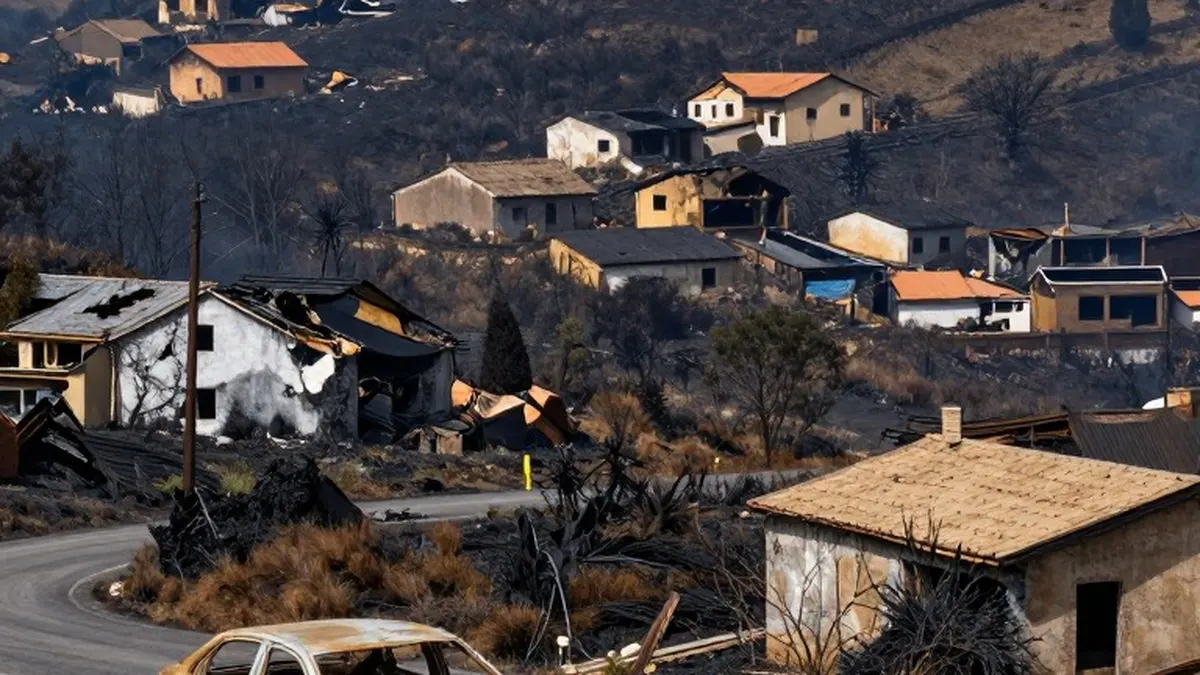
A new United Nations report reveals that nearly 90 million forcibly displaced people reside in regions highly vulnerable to climate extremes, urging leaders to address this overlap ahead of the upcoming COP31 summit.
By Hassan Okoye ·
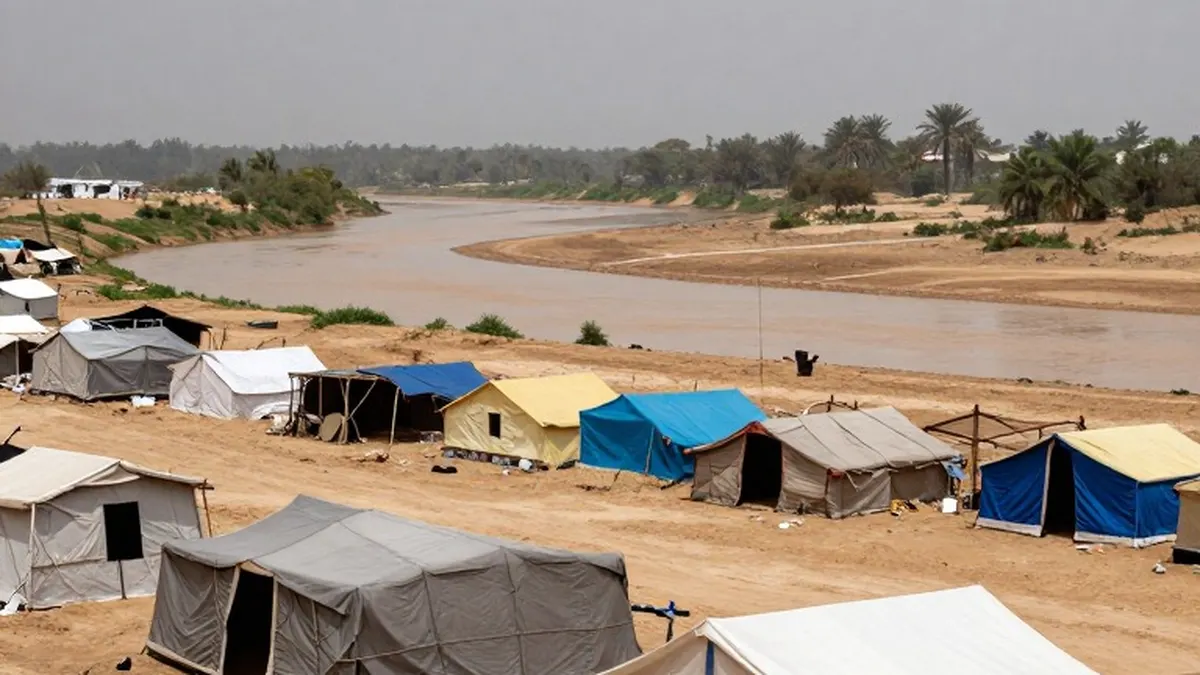
The United Nations refugee agency issued a stark warning on Friday, stating that approximately three-quarters of the world's forcibly displaced population lives in countries severely exposed to climate-related hazards. The report highlights that nearly 90 million refugees and other displaced individuals are currently facing significant risks linked to a warming planet. This assessment was released in the days leading up to the COP31 climate conference scheduled to take place in Turkey.
Anton Leis Garcia, the assistant high commissioner for operations at the UNHCR, described the situation as a double injustice. He noted in a statement that these individuals were forced to flee conflicts they did not cause and are now positioned at the frontlines of a climate crisis to which they have contributed the least. The agency emphasized that people fleeing violence, conflict, and persecution often end up in locations already grappling with severe droughts, deadly floods, and extreme heat.
The report indicates that climate change is increasingly undermining the prospect of durable solutions for displaced populations. During the first half of this year, more than two-thirds of refugees who returned to their home countries went back to nations that are highly vulnerable to climate hazards. This trend suggests that returning home does not necessarily provide a safe or stable environment for those seeking to rebuild their lives.
Syria serves as a notable example of these challenges. The agency pointed out that nearly four million displaced people have recently returned to the country. However, declining groundwater levels and various climate shocks are threatening their recovery. In May of last year, flooding along the Euphrates River damaged homes and displaced thousands of people once again, illustrating how weather events can reverse progress in post-conflict areas.
Extreme heat is also emerging as a critical threat. The UNHCR cautioned that by 2050, one in three refugee settlements across sub-Saharan Africa could experience 100 or more days of dangerous heat each year. This projection underscores the long-term impact of rising temperatures on the living conditions of displaced communities in the region.
Beyond international borders, weather-related disasters are driving internal displacement at an alarming rate. The agency reported that more than 255 million internal displacements have occurred worldwide over the past decade. This equates to approximately 70,000 people being displaced by weather events every day.
The current year has seen an exceptionally strong El Nino weather pattern, which is expected to exacerbate displacement issues. Forecasts for East Africa indicate that severe flooding linked to this phenomenon could displace up to three million people across Somalia, Kenya, South Sudan, and Uganda by the end of 2026. This potential surge in displaced persons highlights the immediate pressure on regional resources and infrastructure.
Garcia stated that for millions of people, climate change is no longer a distant threat. It is actively destroying shelters, undermining livelihoods, and putting their hopes of rebuilding their lives at risk. The agency stressed the urgency of addressing these compounded vulnerabilities to prevent further human suffering.
A significant funding gap was also identified in the report. The UNHCR noted that only 10 percent of global climate finance currently goes to fragile and conflict-affected countries that host large populations of climate-exposed displaced people. This disparity suggests that the regions most in need of financial support for climate adaptation are receiving a relatively small share of available resources.
Ahead of the COP31 summit, the UNHCR plans to call on governments and climate finance institutions to explicitly include refugees and other displaced populations in national climate plans and financing mechanisms. Garcia concluded by saying that the global community cannot allow those who have already lost so much to be left behind in the broader effort to address climate action.