Bolivia signs decree to deploy rescue teams amid El Nino crisis
President Rodrigo Paz declared a nationwide emergency on Saturday as drought affects 78,000 families and floods continue to threaten infrastructure.
By Isabella Kaur ·
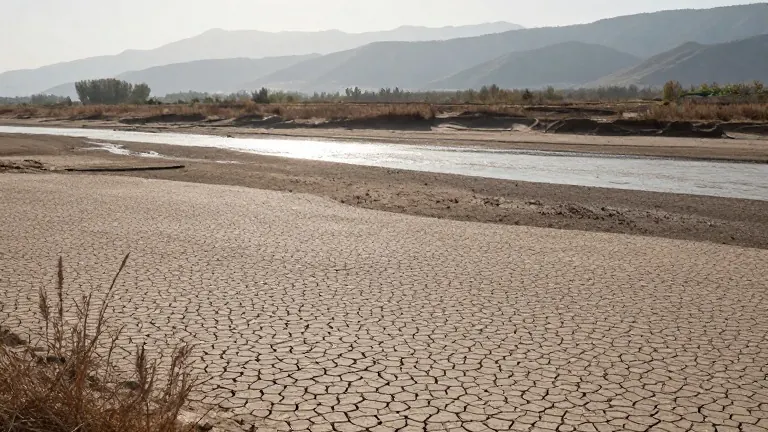
Bolivia declared a nationwide state of emergency on Saturday to unlock resources for the ongoing El Nino crisis. President Rodrigo Paz signed the decree, which mandates additional deployments of rescue teams to regions suffering from severe flooding and drought. Paz warned that the weather phenomenon will bring "very severe impacts in terms of drought and floods" and requested the cooperation of all national institutions.
The current crisis has deepened over the past month. A government report issued this week stated that drought conditions now impact 78,000 families across six of the country's nine departments. The water shortage has also resulted in the loss of more than 75,000 cattle. These figures follow deadly floods in the Santa Cruz region in December 2025, which killed dozens of people.
Regional weather patterns indicate a widespread shift in climate behavior. Santiago, the capital of neighboring Chile, recorded its rainiest October on record. In Peru, wildfires killed at least 12 people last month. These local extremes align with the global El Nino cycle, which typically occurs every two to seven years and disrupts wind, pressure, and rainfall patterns worldwide.
Meteorological agencies project that this specific cycle could be the strongest in recorded history. The World Meteorological Organization reported in early September that there is a nearly 100 percent likelihood El Nino conditions will persist through February 2027. While the phenomenon is expected to peak at the end of 2026, its effects may continue well into the following year.
Scientists estimate that El Nino could cause more than 450,000 deaths globally, with the poorest nations facing the highest risks. The intensity of the event varies by geography, but the current data suggests a prolonged period of extreme weather for South America.