Teaching Students to Question the Machine
An Argentine-born academic in Jerusalem is reshaping data science education by demanding students prove they can critically audit AI outputs rather than simply generating them.
By Isabella Kaur ·
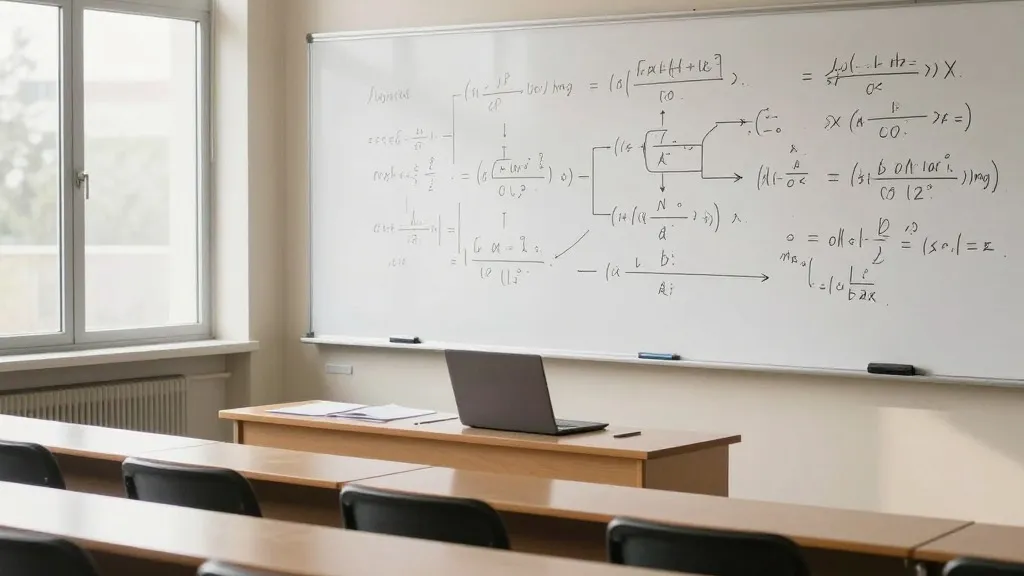
Professor Claudia V. Goldman now requires her students at the Hebrew University Business School to explicitly document how they utilize artificial intelligence tools, marking a shift in academic standards. Since taking up her associate professorship in the Data Science Department in July 2024, she has moved away from treating AI as a hidden aid. Instead, she insists on transparency, forcing learners to credit the technology and explain its specific role in their work. This approach reflects a broader skepticism about whether current educational models are keeping pace with rapid technological integration.
The core of her method involves strict rules on what constitutes a valid submission. Goldman states that fully AI-generated answers are not acceptable. She tells her class openly that she can detect machine-written text, which creates a dynamic where students must engage with the technology rather than rely on it passively. They are encouraged to use AI for brainstorming, but they must remain critical. This includes checking for bias in the information provided and verifying that any cited sources actually exist. It is a practical test of digital literacy in an era where information can be synthesized instantly.
To ensure this critical thinking translates to real understanding, Goldman uses a varied assessment strategy. She evaluates students through classwork, presentations, and peer-organized activities. These in-person interactions allow her to gauge their comprehension directly, without the filter of an algorithm. The curriculum also extends beyond technical skills. Classes discuss human responsibility, values, and the type of professionals and people students aspire to be. This suggests a pedagogical belief that ethical frameworks are as important as technical proficiency in the data science field.
Goldman’s perspective on the future of work challenges recent high-profile suggestions, such as Bill Gates’s concept of reserving certain jobs exclusively for humans. She argues the issue is not a simple binary choice between human and machine roles. Instead, she views it as a complex question about identifying the specific benefits AI offers in different contexts and the critical skills needed to enhance those roles. Her academic background supports this nuanced view. She holds three degrees from the Hebrew University and has published over 50 papers. Her career includes research posts at Bar-Ilan University and the University of Massachusetts Amherst, as well as a long tenure in the industry.
Her professional path also included a three-year leadership role at Samsung Telecom Research and 15 years as a research scientist at General Motors. At GM, she worked on learning agents for vehicle user experiences, aiming to help drivers understand autonomous functions. This blend of academic rigor and industry experience informs her current teaching. The Hebrew University Business School offers related courses, including Responsible AI and When AI Meets Humans and Society. A Free Listener Program also allows senior citizens to audit these courses as the fall semester begins.
Goldman’s personal history adds a layer of context to her international outlook. Born in Argentina, she moved to Israel in 1984 after telling her father that she could only see her future in the country. She attended a Jewish school in Buenos Aires before making aliyah with her family. She met her husband, Professor Roy Shenhar, on the university campus in 1995. Their story, involving a third accidental meeting that led to an ice cream treat per Hebrew custom, highlights the personal connections woven into the academic life she now leads.
Source: The Jerusalem Post