Seven hours on an icy ledge: The mechanics of a near-fatal rescue
A lost pair of crampons turned a routine fourth-class climb in the Adirondacks into a complex overnight operation for New York state rangers.
By Hassan Okoye ·
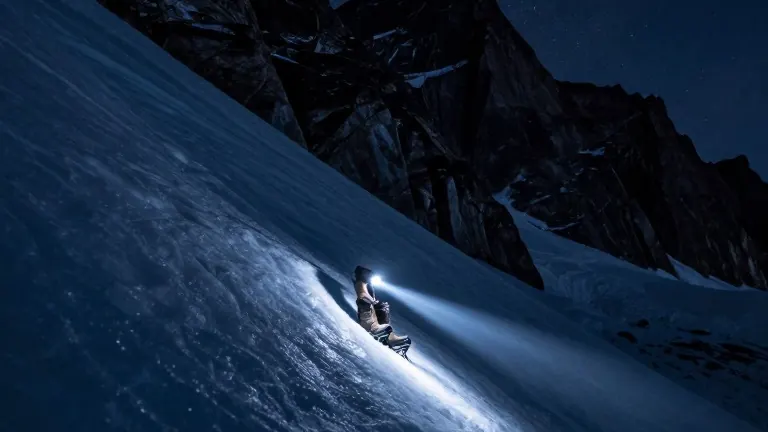
A 60-year-old Canadian man survived a seven-hour ordeal on a narrow ice ledge in New York state after losing essential traction gear. Forest rangers retrieved the hiker from the Mount Colden Trap Dike on Wednesday, October 21, after he activated an emergency satellite beacon. The incident illustrates how specific equipment failures can immobilize experienced climbers in steep backcountry terrain.
The hiker triggered the alert around 6:30 p.m. after his crampons, the metal spikes attached to his winter boots, became detached while he crossed the icy surface. Without the traction devices, he could not safely ascend or descend the slope. He remained stationary in the same location until rescue teams arrived. The Trap Dike route is classified as a fourth-class mountaineering climb, a rating that indicates the use of hands for balance is required. Officials note the route has a history of fatal accidents.
Rangers reached the stranded man around 1:00 a.m. The operation required precise coordination to secure him against the risk of a fatal fall. Forest Ranger Jenna Curcio described the tension of the moment. "When I got out to him and was trying just to get him secured to me, the thought went through my mind: if we both slip before I have him clipped in and on my tether, he’s dead. He’s like, gone," Curcio said.
State forest authorities have urged outdoor enthusiasts to research routes and carry appropriate gear before attempting steep terrain. The rescue concluded once the hiker was safely tethered and transported from the ledge. The next scheduled step involves the man’s recovery from the physical demands of standing on ice for over six hours.