Saudi Economy Minister Confirms Shift in Vision 2030 Spending Strategy
Riyadh is adjusting its diversification plans to prioritize fiscal precision and cost efficiency amid economic contraction and regional security challenges.
By Yuki Kaminski ·
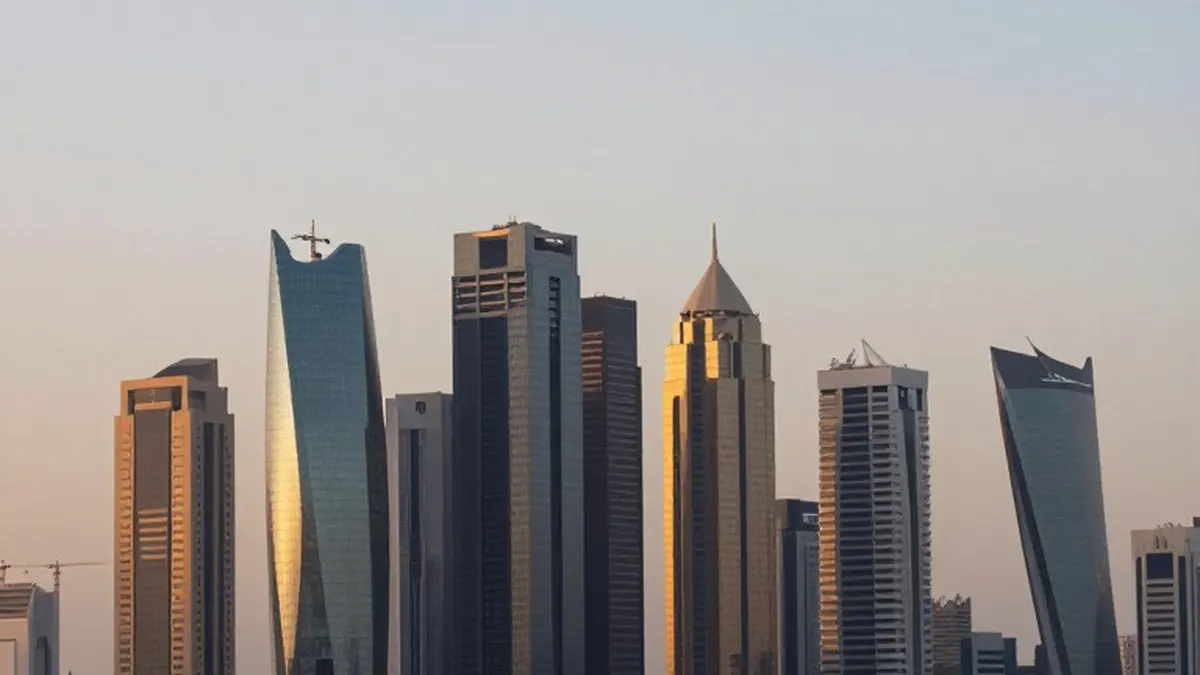
Saudi Arabia is undergoing a significant strategic adjustment to its economic diversification efforts, moving away from an approach that prioritized speed and scale over cost efficiency. Economy Minister Faisal Alibrahim explained to CNBC on Friday that the Kingdom has transitioned from spending and delivering projects at any cost to focusing on delivering them at the right cost. This shift comes as the country navigates a period of sharp economic contraction and reassesses its flagship initiatives.
Alibrahim noted that the current phase requires greater precision in the deployment of every riyal. He acknowledged that earlier stages of the Vision 2030 plan required substantial government spending to build foundational infrastructure and reduce reliance on oil. However, the government is now adopting a policy-first approach to align regulatory environments with international standards, aiming to create a clearer business landscape for private sector participation.
A key component of this new strategy involves the recent introduction of a 15% minimum effective tax rate on the profits of multinational corporations. Alibrahim stated that this measure is designed to foster a more transparent environment for private enterprises while attracting additional foreign investment. This follows a period of massive capital expenditure driven by the Public Investment Fund, which has been the primary vehicle for the Kingdom's diversification goals since 2016.
In recent months, Saudi Arabia has scaled back or halted several high-profile projects. These include reassessing the commercial viability of the NEOM economic region and its futuristic The Line city, withdrawing funding from the LIV Golf tournament, and pausing construction on a planned skyscraper in Riyadh. Additionally, the country announced in January that it would postpone hosting the 2029 Asian Winter Games, which were originally scheduled for the Trojena district within NEOM.
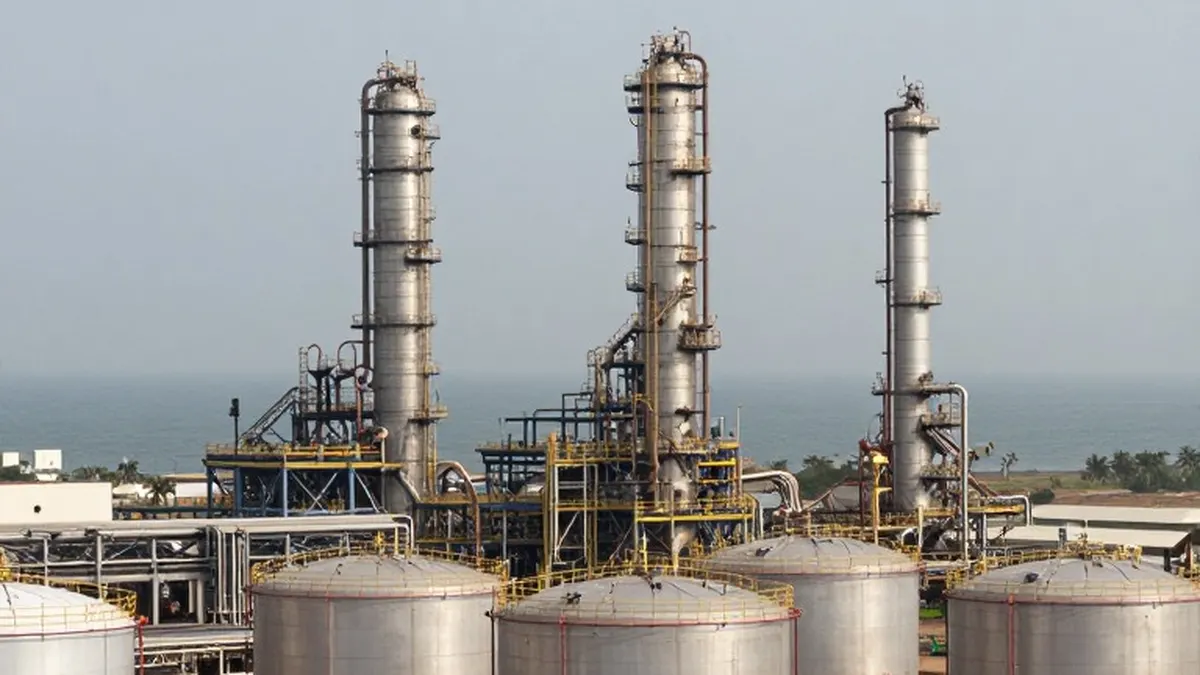
These economic adjustments are occurring against the backdrop of ongoing security pressures from Iran-backed Houthi militants in Yemen. Recent strikes have targeted critical infrastructure, including the PIF tower, Riyadh Airport, and the nation's largest oil refinery. These attacks have resulted in significant casualties and have repeatedly disrupted oil markets. The security concerns were severe enough to force the cancellation of a major international investor conference, often referred to as Davos in the Desert, which was planned for November.
Despite the challenges, Alibrahim emphasized that Saudi Arabia remains committed to achieving long-term stability in the region. He pointed out that infrastructure investments have helped the energy sector restore production to near pre-crisis levels. The Kingdom has also successfully shifted its import and export logistics from the east to the west of the country via land transport, thereby mitigating the impact of airport strikes on cargo flows.
Official government figures indicate that real GDP contracted by 3.8% in the third quarter. This decline was driven by a 20.4% year-on-year drop in oil activities, which was partially offset by a 1.9% increase in non-oil sectors. Net foreign direct investment inflows also decreased by 19.5% in the second quarter. The Ministry of Finance projects an overall economic contraction of approximately 2.1% for the current year, followed by a rebound of 10.9% in the next year.
External analysts offer a more cautious outlook. Oxford Economics forecasts that the Saudi economy could shrink by 3.4% this year and by 4% in 2027. Akanksha Samdani, the lead economist at Oxford Economics, noted that Vision 2030 is entering a phase focused on returns. She explained that while the Public Investment Fund is becoming more selective in its capital allocation, investment is continuing in sectors such as manufacturing, logistics, tourism, mining, and technology.
Samdani added that while some giga-projects may be delayed or scaled back, the overarching goal of economic diversification remains unchanged. She noted that the government is shifting budgetary spending toward essential services and strategic priorities. Meanwhile, Neil Quilliam of Azure Strategy suggested that investors are evaluating whether the Houthi attacks reveal persistent vulnerabilities in Saudi air defenses. He argued that the economic impact may depend less on physical damage and more on whether the strikes affect confidence in the Kingdom as a destination for tourism and entertainment.
The consensus among officials and analysts is that while the pace of execution is changing, the fundamental objective of reducing dependence on oil revenue persists. The Kingdom is balancing the need for immediate fiscal discipline with the long-term requirement to build a resilient and diversified economy capable of withstanding regional instability.
More News · National news · Report a business · Got a Story?