Viral video claims AI is a mystery of 28 billion numbers
A 75 second reel argues that no one understands artificial intelligence, but experts say the field is actively studying the inner workings.
By Isabella Kaur ·
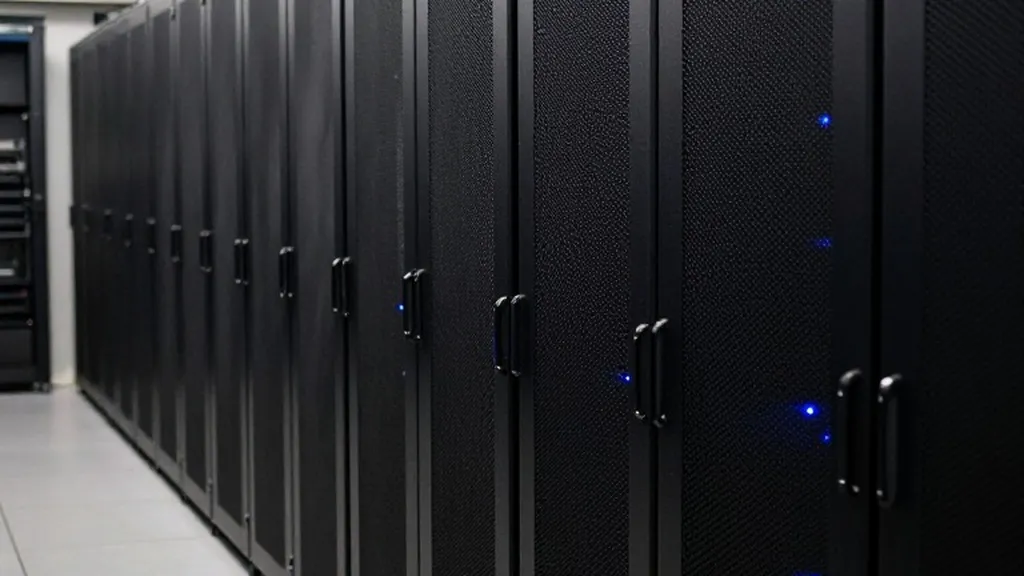
A vertical video posted on Instagram on November 14, 2026, has captured the attention of thousands with a stark warning about the technology that is reshaping the world. The reel, shared by the account eugene_affirmative, reached 28,267 likes and 535 comments by November 28, 2026. It presents a fictional conversation between an interviewer and a model builder standing before a wall of numbers. The central argument of the video is that the software was not written by people but emerged from a process of reward and punishment. The builder claims the model consists of 28 billion numbers, known as parameters, which are the trained values inside a neural network. A neural network is the layered mathematical structure that allows a computer to learn patterns from data. The video argues that these parameters are nudged up and down by feedback, creating a system that nobody can fully read or explain.
The reel emphasizes that the field has not solved interpretability, which is the active area of research dedicated to explaining why a model produces a specific output. It describes these systems as black boxes, meaning machines whose internal logic is opaque to observers who can only see the inputs and the final results. The interviewer in the video asks how such a mysterious system can be trusted with major responsibilities. It suggests giving the model control over robots, drones, and a wet lab, which is a laboratory that handles living biological material, where viruses might be created. The interviewer also mentions military use, pushing the builder to explain the safety of deploying a mind that no one understands.
The answer offered in the video is that the human mind is similarly mysterious. The builder states that nobody knows exactly what is happening in a brain at the level of individual neurons, which are the nerve cells that transmit signals in the human head. This comparison is used to suggest that the opacity of artificial intelligence is no different from the opacity of biological intelligence. The video ends with the line that the field will simply be trained to be nice. The account added a caption that reads, "im sure theyll figure out how it works before they put it in charge of anything," implying a lack of confidence in the timeline of safety.
The video stitches together quotes from several prominent figures to build this narrative. It references statements made by Geoffrey Hinton, a researcher often credited with foundational work in modern neural networks, who has argued publicly that the inside of these systems is not fully understood. It also cites Sundar Pichai, the head of Google, and Sam Altman, the head of OpenAI. These admissions carry weight because these individuals lead the companies building the most advanced models. However, the video presents these separate appearances as one continuous conversation, which is a framing choice by the creator rather than a single interview that took place in one room.
The claim that nobody building these systems has any idea how any of it works is the argument of the video, not a verified consensus. While the leaders admit to gaps in understanding, interpretability is an active research field with published results. Model makers publish detailed training methods, evaluation scores, and safety reports. The companies are not hiding the process, but they acknowledge that the internal reasoning of large models is complex. The video’s assertion that the field is in the dark is a simplification of a nuanced scientific challenge.
The arithmetic in the video holds up against the facts. Meta released a model called Llama 3.1 405B on July 23, 2024, which contains 405 billion parameters. The video notes that reading one of these numbers per second would take 12,800 years to get through the entire list. This calculation is correct, illustrating the sheer scale of the data involved. A token, which is a chunk of text roughly equal to part of a word, is the unit of data these models process. Meta trained this specific model on more than 15 trillion tokens, making it a massive statistical engine.
The response from the industry includes concrete goals. Anthropic, a leading AI company, has published an essay stating that researchers understand too little of the inner workings of leading models. The company has set a published goal of reliably detecting most model problems by 2027. This target provides a clear benchmark for progress in interpretability research. Dario Amodei, the head of Anthropic, has said that when a system summarizes a financial document, researchers do not know at a precise level what happened inside the model. This admission aligns with the video’s theme but adds a layer of active investigation that the reel does not fully capture.
Sam Altman made similar remarks at the AI for Good Global Summit in May 2024, an event held in Geneva by the International Telecommunication Union, a United Nations agency for information technology. He answered the challenge of human oversight by noting that the human mind is not fully understood either. The viral video captures the anxiety surrounding these admissions, but it frames the lack of complete understanding as a total mystery. The record shows a field that is grappling with complexity, publishing its methods, and setting deadlines for better oversight, rather than a group of builders who are in the dark about their own creations.