Israeli defense-tech investment forecast to approach $1 billion in 2026
Investment in Israeli defense technology is expected to nearly triple from 2025, while smaller companies continue to face funding and international market barriers.
By Hassan Okoye ·
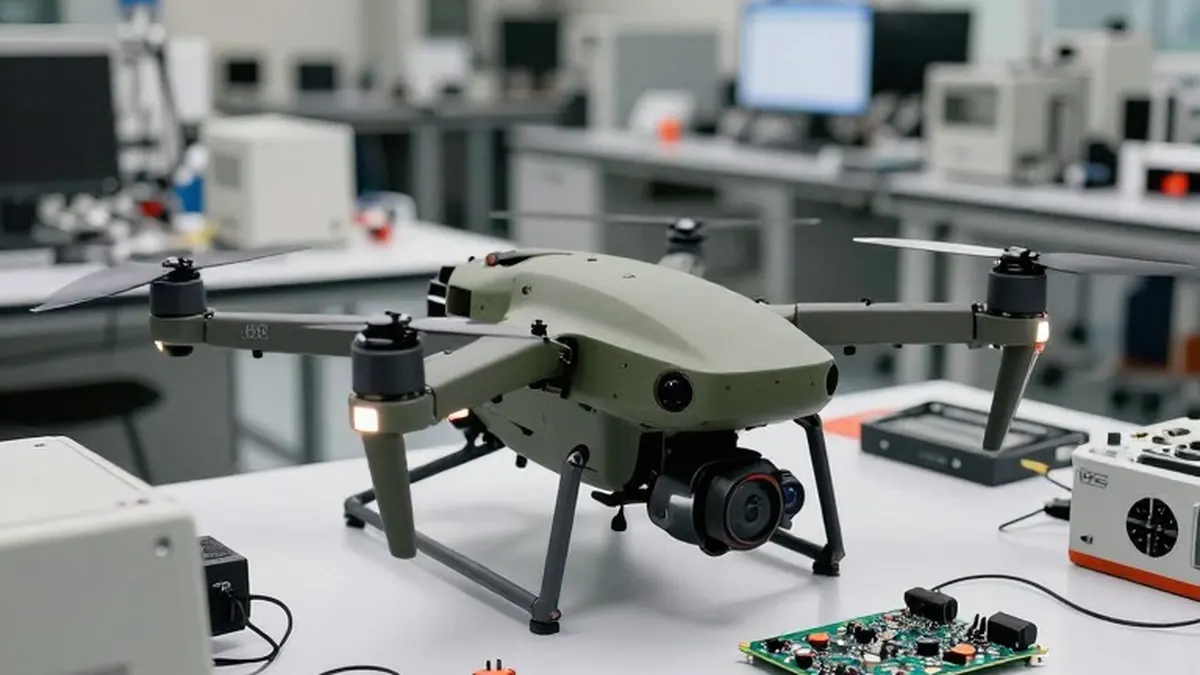
Israel's defense-tech industry is projected to attract approximately $1 billion in investment in 2026, up from $360 million in 2025, as higher military spending worldwide and demand for new technologies bring investors into the sector. The forecast points to a growing role for startups in an industry historically led by large defense contractors.
Eitan Mandel, head of the Defense Industries Division at the Manufacturers Association of Israel, presented the estimate at a defense technology conference during Israeli Hi-Tech Week. He said Israel's recent wars had accelerated military technology development and reduced the time needed to put new products into operational use. Before October 7, that process averaged about two years in Israel, compared with eight to 10 years in the United States. In some cases, he said, it now takes weeks.
Mandel said combat use had given Israeli companies opportunities to improve their technologies through operational feedback. He credited those developments with saving hundreds of soldiers and increasing military effectiveness. The experience accumulated over the past three years, he said, had attracted international attention and helped drive investment.
Lital Leshem, founding partner and managing director of Protego Ventures, said global defense spending was expected to reach approximately $3 trillion. She identified three drivers of growth in defense technology: the war in Ukraine, which showed the effectiveness of drones and other systems developed quickly; expanding military budgets; and regulatory and procurement changes that have opened more opportunities for startups.
Battlefield experience does not automatically translate into sales abroad, Leshem cautioned. Companies must also show that their products satisfy foreign customers' requirements and find their way through international procurement procedures. Working with Israel's Directorate of Defense Research and Development, known as MAFAT, and the IDF offers evidence that a company's technology can function in combat, she said, but businesses still need a clear route into overseas markets.
Leshem said Americans account for 99% of Protego's investors, some of whom question whether Israeli companies can sell in the United States and Europe given the risks of boycotts and sanctions. She described substantial appreciation for Israel's military achievements alongside a complicated political environment. Investors, she said, need an explanation of the business case that also addresses political risks and their possible consequences for operations.
Peleg Cohen, who heads startups at MAFAT within the Defense Ministry, said the directorate's portfolio contains approximately 320 to 350 companies. About 180 startups supplied operational responses to problems encountered during the fighting. MAFAT placed procurement orders totaling approximately NIS 1 billion in the first half of 2026, nearly twice the amount recorded in the corresponding period of 2025.
Cohen said portfolio companies raised about $3 billion in the first half of 2026, or around $5 billion when another company in the quantum field is included. However, investment remains concentrated in relatively few businesses, making fundraising difficult for smaller startups. He said smaller, agile companies can complement major contractors by broadening available solutions and increasing competition. Lengthy qualification processes, regulatory obstacles and uncertain access to foreign markets nevertheless remain significant hurdles for companies seeking to establish themselves in the industry.