IDF identifies use of fishing boats by Hezbollah for naval surveillance
Israeli military reveals that Hezbollah operatives utilize civilian vessels to monitor naval forces, while strikes continue across southern Lebanon and diplomatic talks progress on UN peacekeeper mandates.
By Yuki Kaminski ·
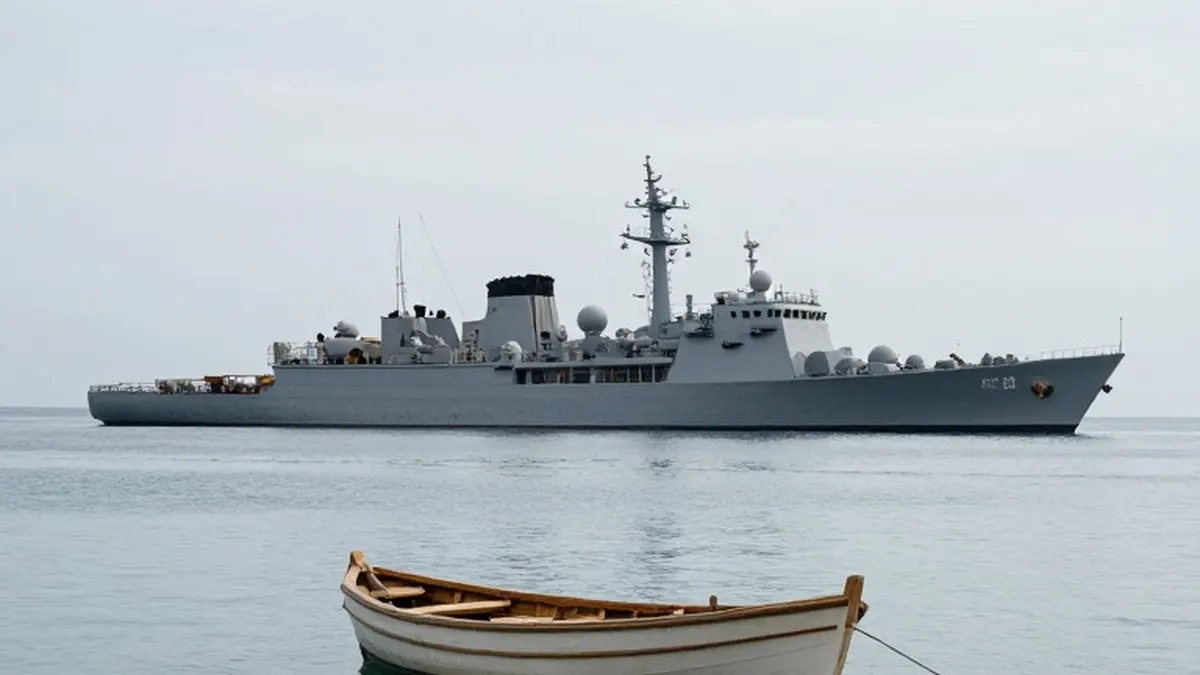
The Israel Defense Forces announced on Friday that Hezbollah members have been employing civilian fishing vessels to conduct surveillance on Israeli naval assets. The military spokesperson's unit stated that intelligence gathered from interrogated operatives indicates that the group uses these boats to approach the maritime security zone off the coast of southern Lebanon.
According to the IDF, the operatives utilize the boats as cover to photograph and monitor military activity in the region. The military described this tactic as a method for exploiting civilian maritime operations for terrorist purposes, which places local residents at risk. The announcement serves as a warning to Lebanese fishermen and residents to exercise extreme caution in the area.
The military advised civilians to avoid entering zones where troops are active and to keep a safe distance from naval vessels operating in the region. This advisory is part of ongoing operations against Hezbollah in southern Lebanon, where Israeli forces continue to target infrastructure and personnel.
In a related development, the IDF reported on Thursday that it struck a training camp belonging to Hezbollah's Radwan Force in the Ain al-Tina area. The strike targeted dozens of rockets and launchers that the military said were intended for use against Israeli civilians and soldiers.
This action followed an earlier attack by the Israeli Air Force on November 19. That strike targeted a former missile production and weapons storage facility in the Janta area of the Bekaa Valley. Intelligence suggested that Hezbollah terrorists had recently returned to the site, prompting the military to strike to prevent operational activities from resuming.
On November 16, the air force also struck a weapons shipment being moved from Syria to Hezbollah operatives in the Janta area, near the border with Syria. The military confirmed that the location had a history of receiving numerous weapons transfers. The objective of these strikes is to weaken the group's operational capabilities and its ability to launch attacks against Israel.
Meanwhile, diplomatic efforts are underway regarding the presence of international peacekeepers in the region. Lebanese Prime Minister Nawaf Salam stated that UNIFIL forces could remain in southern Lebanon even after their current mandate expires on December 31. This statement was reported by the Associated Press on Friday.
A proposal from France is currently under consideration by the United Nations Security Council. Under this plan, UNIFIL would continue to operate in specific areas of Lebanon after the mandate expiration. The force would carry out designated tasks such as clearing mines, escorting humanitarian convoys, and monitoring violations until a new framework is agreed upon by the council.