Giving Beyond the Gift: Martin Bernholtz on Philanthropy, Community and Hebrew University
Martin Bernholtz, national board chairman of Canadian Friends of Hebrew University, traces his volunteer work in Israel and his vision of philanthropy as more than money.
By Yuki Kaminski ·
For Martin Bernholtz, national board chairman of the Canadian Friends of Hebrew University (CFHU), charitable work has always been a family affair. "I have a love for philanthropy, and it's always been part of our family process," he says, explaining that giving involves both money and time spent on community. He frames it through the concept of tikkun olam, repairing the world and making a difference.
Bernholtz brings extensive experience in corporate finance, real estate, governance, biotech and resource management to his volunteer role. His primary philanthropic vehicle is the Martin Bernholtz Family Charitable Fund, which works to improve the lives and well-being of disadvantaged children while supporting other projects that have drawn his family's interest. When a friend suggested volunteering for the Hebrew University of Jerusalem, he jumped at the chance, citing his deep love for Israel.
He credits his parents with setting the example. His mother served a term as chairperson of the Women's League for Conservative Judaism and delivered Meals on Wheels well into her late 70s, while his father did a great deal of work on behalf of their synagogue.
Bernholtz first visited Israel in 1978, close to 50 years ago, during the 30th anniversary of the state. He worked on a kibbutz, stringing lights in an orchard for three or four days ahead of the celebration and taking them down afterward. "It was a great experience," he recalls. "I worked hard, but I enjoyed it."
In 2008, he joined a mission of senior Canadian bankers to witness the devastation Israel suffered in the Second Lebanon War. The trip raised significant funds for Renanim, a Kiryat Shmona school for physically and emotionally disabled children that had been damaged in the war. His family's commitment centered on a resource center training teachers from across Israel to work with disabled children.
One of his most meaningful visits came in May 2024, during a Hebrew University Board of Governors trip. Spending a day and a half in Israel's south, he saw the university working with the main public school in Sderot to integrate the scientific method into its teaching. At the school, he and a fellow board member noticed children who had lost siblings, parents, friends and relatives in the war sitting and singing, and moved to sit with them. "It was an experience I will never forget," he says. "It's not only money. It's sharing love and compassion."
Bernholtz traces his interest in the university to his fascination with Albert Einstein, one of its founders, and devoured several books about Einstein after joining. He describes the university's agro-tech and medical technology as world-class, noting collaborations with organizations and universities worldwide, including in countries not friendly to Israel and at North American campuses that have seen rising antisemitism. "I feel repairing the world also includes doing what you can to reduce the horrible antisemitism which has cropped up since Oct. 7, 2023," he says.
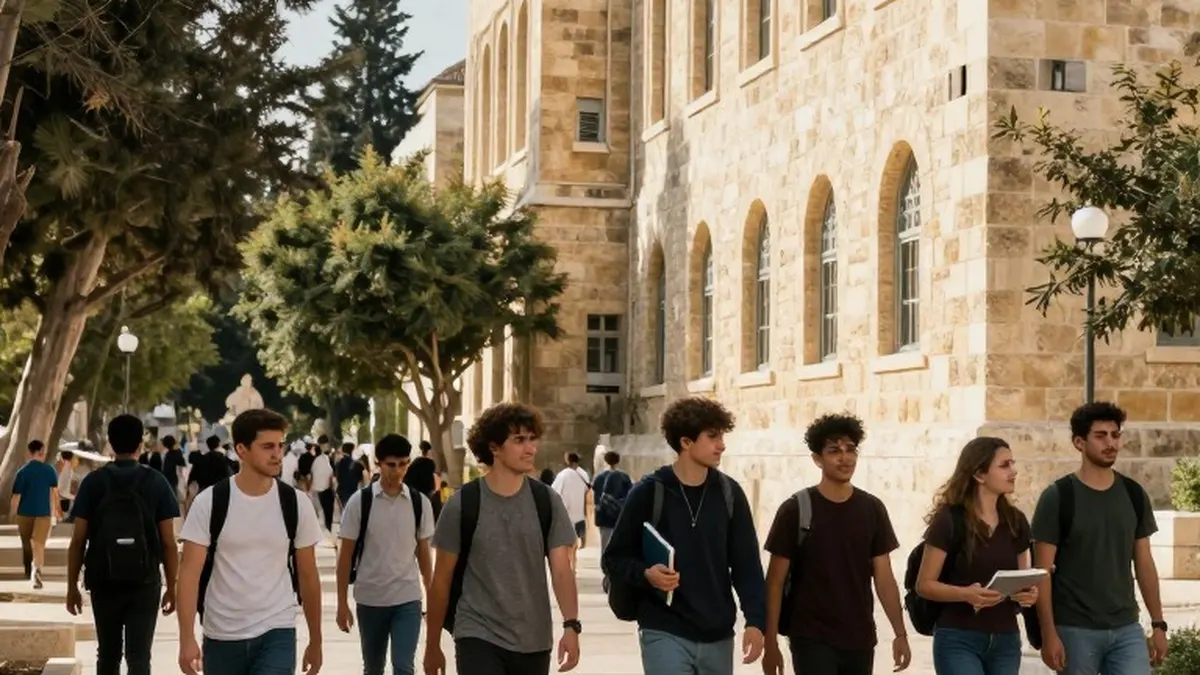
At his first Board of Governors meeting, he and fellow members walked the entire campus for three or four hours, getting lost along the way and logging what he estimates was 20,000 steps. Watching Jewish and Arab students cross the campus together, he says, showed him the diversity of the student body and what education can accomplish in fostering understanding.
Among the projects that have captured his interest are AI-powered social media tools to help Jewish communities worldwide fight antisemitism, an effort he says CFHU is leading, and research into PTSD and people on the autism spectrum aimed at helping those affected by severe trauma return to daily life. In Canada, he has built ties with indigenous peoples and the Iranian, Italian and Sikh communities, noting that more than 60,000 people, many from those groups, joined this year's UJA Walk with Israel in Toronto. He has also brought non-Jewish members onto the organization's board.
Summing up his goals as chairman, Bernholtz says he wants to build broad-based support, strengthen alliances and back the organization's professional staff. He wants Canadians to know about the university's many collaborations, its strong showing in the Shanghai Rankings and its multinational character, including a student body that is 20% Arab. "This is really creating bridges," he says, "and creating bridges is an important step toward calming down the rise of antisemitism."