Albanese spends second night at Costa Rica airport as court seeks explanation for entry ban
Costa Rica denied entry to UN special rapporteur Francesca Albanese on security grounds, prompting international criticism and a court order requiring immigration authorities to explain their decision.
By Yuki Kaminski ·
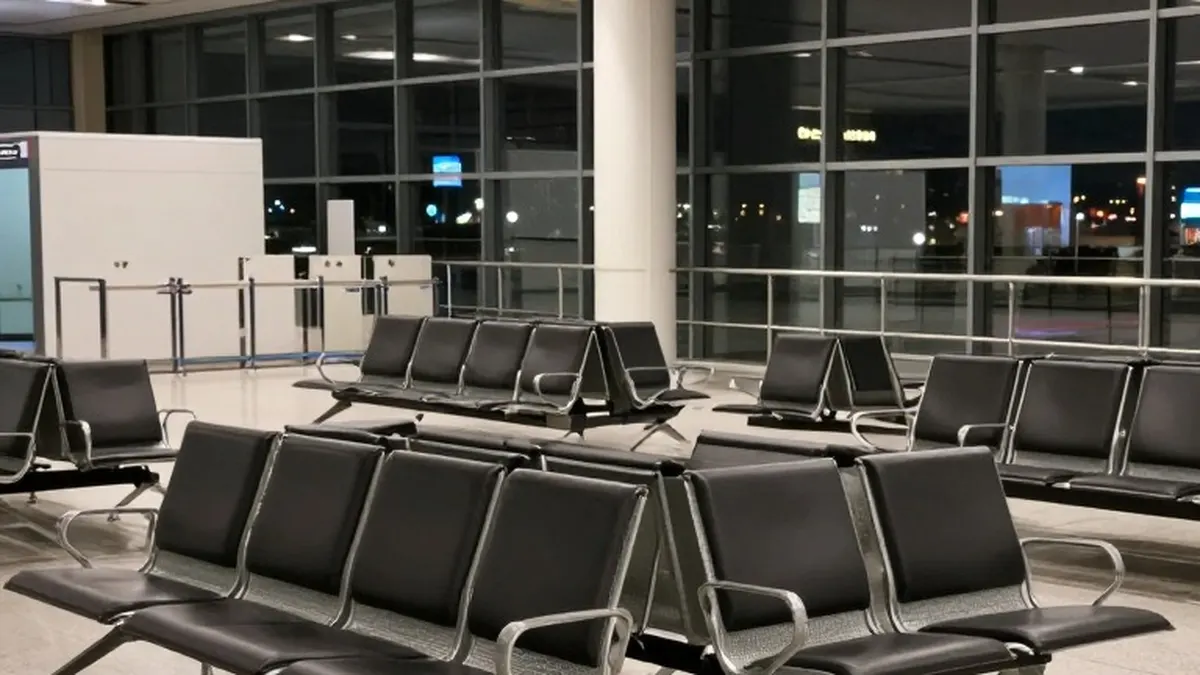
UN special rapporteur Francesca Albanese remained at Costa Rica's international airport for a second night on Friday after being refused entry. Authorities cited an international alert concerning alleged links to terrorist acts. Albanese rejected the allegation and described constant security supervision, uncomfortable seating, noise and bright lighting as she waited for a flight scheduled for Saturday.
Albanese arrived in San José on Thursday to accept an honorary doctorate from the public University of Costa Rica. With immigration authorities preventing her from leaving the airport, she participated in the ceremony through a video connection. An assistant who had been permitted to enter Costa Rica collected the degree for her.
Amnesty International secretary-general Agnès Callamard posted footage of the ceremony on X and condemned the government's treatment of Albanese. According to Callamard, students applauded for more than 10 minutes, voiced support for Palestine and sang the university anthem. Actor Mark Ruffalo, who has also publicly criticized Israel, denounced the entry ban, describing it as persecution of people exposing alleged Israeli war crimes.
UN High Commissioner for Human Rights Volker Türk expressed serious concern and asked Costa Rica to reconsider. Italy's Foreign Ministry said its ambassador had spoken with Albanese, an Italian citizen, and dispatched a consular official to the airport. Former Costa Rican president Óscar Arias also visited her there and described the situation as a disgrace for the country.
Israel's UN ambassador, Danny Danon, welcomed Costa Rica's action on Thursday. In a post on X, he argued that people who use UN mandates to disseminate propaganda, legitimize terrorist organizations, dishonor Holocaust victims and attack the United States and Israel should face consequences. Albanese has accused Israel of genocide.
Costa Rican immigration director Omer Badilla said Albanese represented a national security threat. He did not identify the organization responsible for the alert or specify the acts behind it. Albanese denied having any connection to terrorism and suggested the entry refusal could be related to US sanctions against her.
Costa Rica's Constitutional Chamber accepted a habeas corpus petition submitted on Albanese's behalf, issued an interim order and required immigration authorities to explain the ban within 24 hours. Minister of the Presidency Rodrigo Chaves, a former president, accused the judiciary of overstepping its authority. President Laura Fernández has not commented. Since taking office in May, her government has brought Costa Rica closer to Israel and the United States.
The episode follows earlier international criticism of Albanese. Several European countries condemned her conduct and sought her removal in February. In May, the US Treasury Department's Office of Foreign Assets Control restored sanctions after temporarily taking her off its Specially Designated Nationals list. Her initial designation came in July 2025 under sanctions related to the International Criminal Court. US Secretary of State Marco Rubio said at the time that the action concerned her alleged support for terrorism and contempt for the United States and Israel.