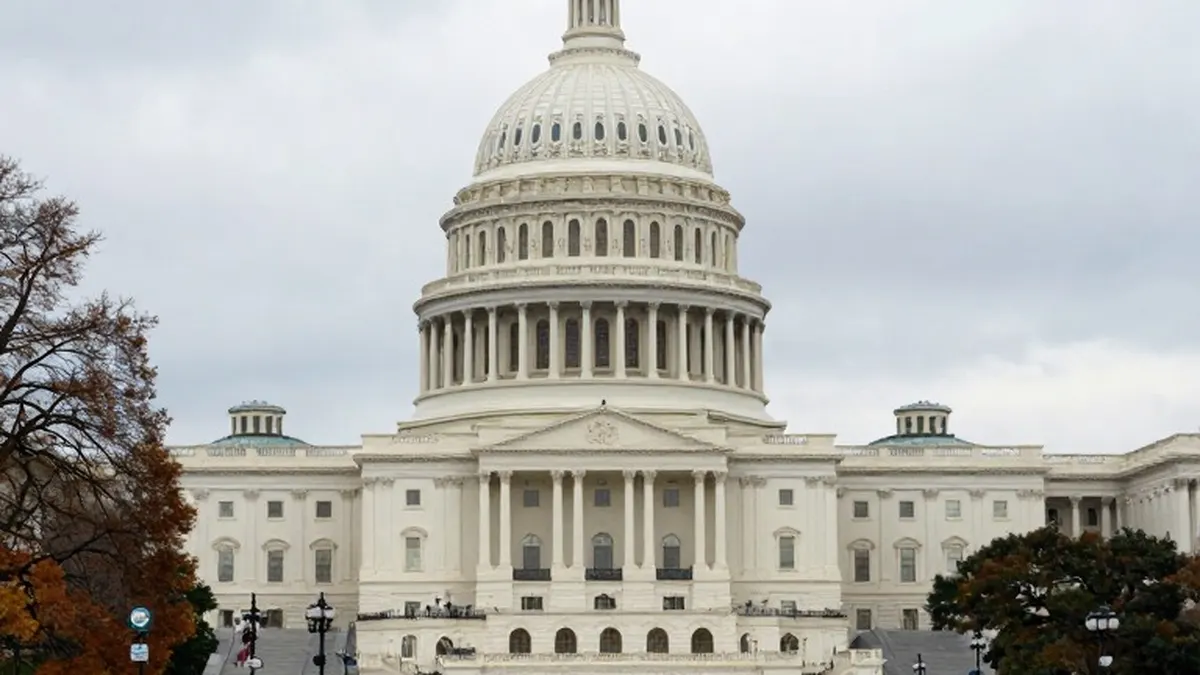
Kansas elects first Democrat to Senate in nearly a century as economic pressures mount
By Yuki Kaminski ·
In a significant political shift, Kansas voters have elected Democrat Adam Hamilton to the US Senate, marking the first time in nearly a century that a Democrat has won a seat from the state. The result stands as a stunning upset in a region that was widely considered a reliable Republican stronghold until recently. Hamilton’s victory signals a measurable change in sentiment among voters who have grown increasingly impatient with the current direction of the Republican party and the national leadership.
The election outcome was influenced by economic realities that have affected many residents across the state. In Junction City, a small community surrounded by vast prairies, locals reported that the cost of living has risen sharply. Linda Olson, a resident who supported Donald Trump in the 2024 presidential election, noted that life has become more expensive despite her initial optimism. She cited high grocery bills, fuel prices that are approximately one dollar per gallon higher than the previous year, and medical costs that forced her to skip doses of medication while between insurance plans.
Olson expressed that she initially viewed Trump as the better choice available to improve economic conditions. However, she felt that his actions since returning to office have prioritized personal wealth over helping ordinary citizens. Her sentiment reflects a broader trend where voters in both urban and rural areas are reassessing their political allegiances. Hamilton capitalized on this mood by flipping six counties that had previously backed Trump in 2024 and Republican Senator Roger Marshall in 2020.
Michael Smith, a political science professor at Emporia State University, explained that the election results indicate a distinction between conservative voters and those who are strictly aligned with Trump’s personality-driven politics. Smith noted that while many Kansans remain deeply conservative, they are not necessarily beholden to the current national party leadership. The election effectively peeled off a segment of the conservative base that was willing to break from tradition due to economic strain.
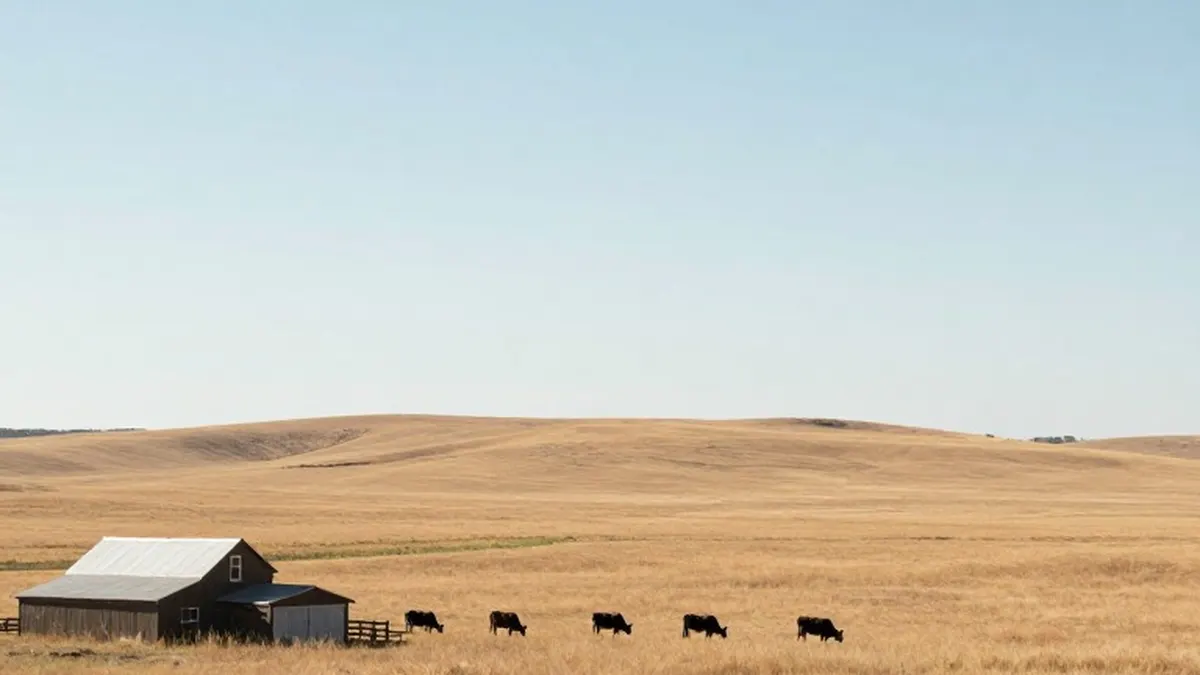
The state’s economy is heavily dependent on agriculture, with nearly 45 million acres of farmland employing about one in five residents. While the most rural ranchers and farmers remain strongly Republican, neighboring communities that rely on the agricultural sector have felt the impact of rising costs. Smith pointed out that residents in these areas, who are not directly farming but depend on the industry, are more likely to swing toward the Democratic party when the economy is under pressure.
Local service industries have also felt the ripple effects of financial hardship. David Aguirre, a 25-year-old employee at a Mexican restaurant in Junction City, described a domino effect where struggling families reduce dining out, which in turn impacts restaurant staff and cooks. This economic anxiety was evident at grocery stores, where shoppers like Janet Grimm, an independent voter, reported that her modest cart of items including eggs, chicken, and deli meat cost over $60. She voted for Hamilton, expressing hope that he would work to improve economic conditions for people in similar situations.
Hamilton’s campaign strategy focused on positioning himself as a moderate figure distinct from the national Democratic party. His slogan, leading from the middle, resonated with voters seeking a collaborative approach. In his victory speech, Hamilton emphasized the importance of working across party lines. He stated that he intended to become a close friend of Republican Senator Jerry Moran, aiming to model a style of governance where thoughtful people solve problems together rather than engaging in partisan conflict.
To illustrate this point, Hamilton used the parable of the Good Samaritan, suggesting that Jesus would have framed the story differently depending on the audience. He argued that Democrats and Republicans need to help one another, regardless of their political labels. This message of unity and practical cooperation appeared to appeal to voters who were tired of division and eager for practical solutions to economic challenges.
Despite the Democratic victory in the Senate race, the state remains largely conservative. Smith cautioned against overinterpreting the results, noting that no moderate candidate is likely to change the fundamental political makeup of many areas in Kansas. The shift indicates a specific dissatisfaction with current leadership and economic conditions rather than a complete ideological transformation of the state.
Even among those who stayed loyal to the Republican party, the economic impact was clear. Dan Duever, a 75-year-old semi-retired farmer in Geary County, voted for the Republican candidate but cited the economy and the war in Iran as reasons for the party’s difficulties. He reported that his farm’s fuel costs had tripled due to record high diesel prices, forcing him to stop using one of his trucks. With fertilizer prices roughly doubling, Duever acknowledged the strain but maintained his identity as a Republican, highlighting the complex dynamics at play in this year’s election.
Source: The Guardian