Taiwan to vote on nuclear power as AI demand and energy security concerns grow
Saturday’s referendum will test support for ending Taiwan’s nuclear-free policy as rising chip industry electricity needs and dependence on imported fuel reshape the debate.
By Isabella Kaur ·
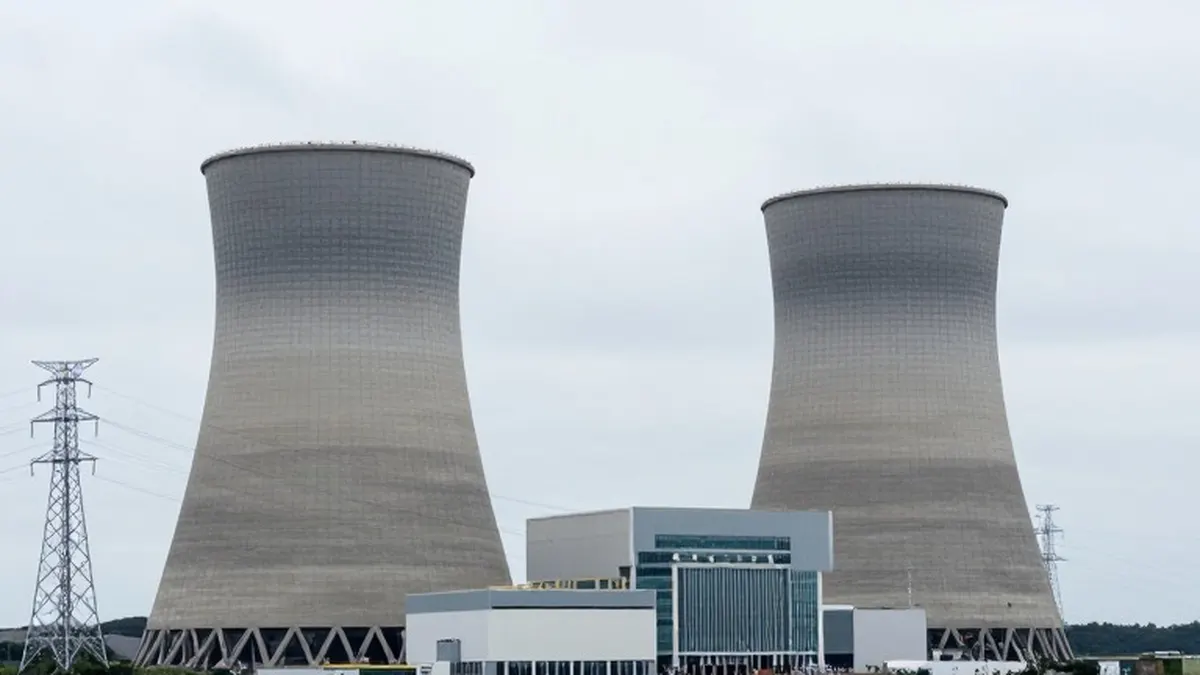
Taiwan will hold a referendum on restoring nuclear power alongside local elections on Saturday, 18 months after its final operating reactor closed. The vote comes as its semiconductor and artificial intelligence industries need increasing amounts of electricity, while concerns persist over energy supplies if China were to blockade the island.
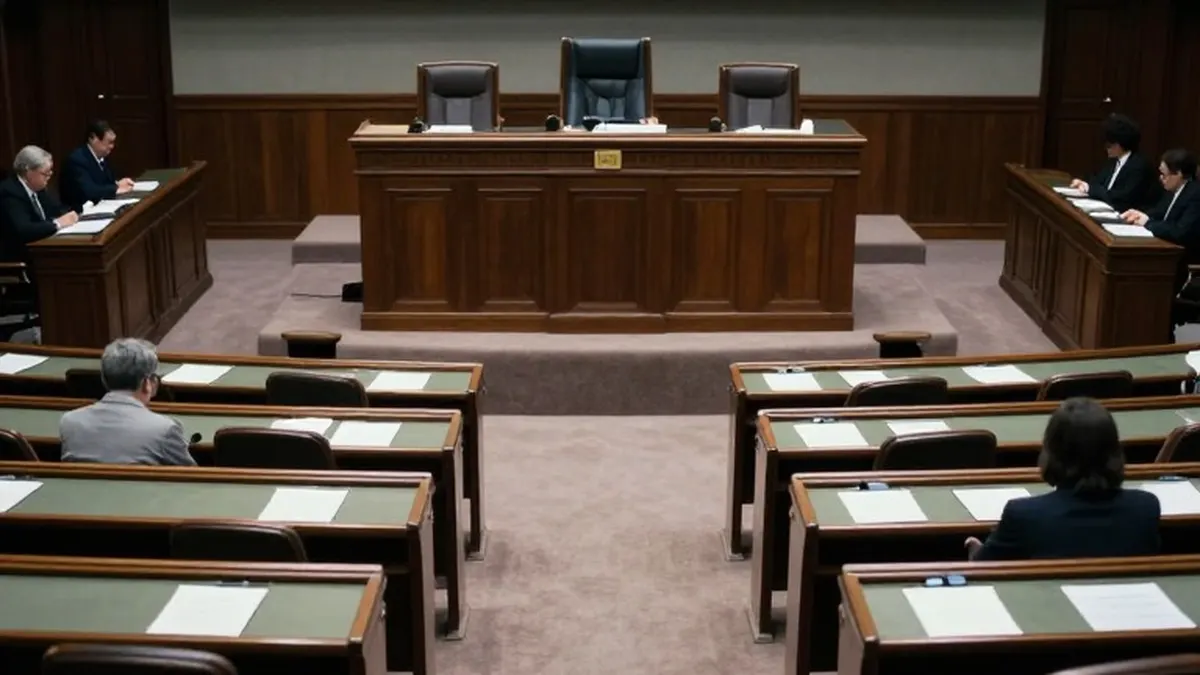
The proposal asks voters whether nuclear power should return to support the economy, which would require abandoning the longstanding nuclear-free homeland policy. Proposed by the opposition Kuomintang and supported by the Taiwan People’s Party, it needs more votes in favour than against, with affirmative votes exceeding one-quarter of all eligible voters. The ruling Democratic Progressive Party is campaigning against it. DPP legislator Chen Pei-yu has argued that lawmakers could amend existing legislation without a referendum.
Nuclear power supplied 52 percent of Taiwan’s electricity from three plants in 1985, but became a deeply partisan issue. Lev Nachman, an assistant professor at National Taiwan University’s Graduate Institute of National Development, said environmentalists involved in founding the DPP strongly opposed the industry, which developed under the KMT. Taiwan’s active geological faults, unresolved nuclear waste disposal and memories of Japan’s 2011 Fukushima disaster have reinforced safety concerns. The DPP took office in 2016 with a phaseout pledge, and the last Maanshan reactor closed in May 2025.
Saturday’s ballot will be Taiwan’s fourth nuclear referendum in eight years. Voters removed a statutory phaseout deadline in 2018, then rejected resuming construction of an unfinished fourth plant in 2021. A majority supported restarting Maanshan in August 2025, but insufficient turnout invalidated that result. Nachman said his expectations for the latest vote were low and that its prospects largely depended on whether DPP supporters had reconsidered their position.
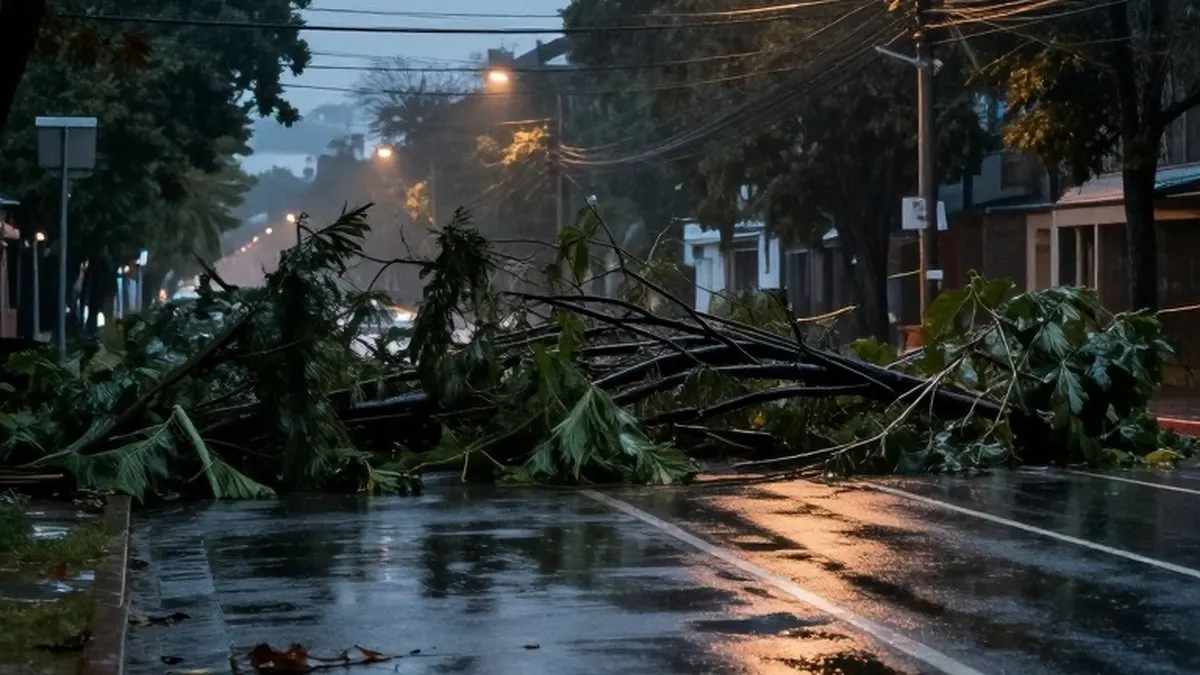
Taiwan imports more than 97 percent of its energy, according to the Ministry of Economic Affairs. Natural gas provides roughly 43 percent of electricity and coal around 35 percent, with both fuels delivered by sea. Its liquefied natural gas reserves cover about 11 days, compared with 14 to 20 days in Japan and South Korea. The war with Iran this year has also disrupted Middle Eastern LNG shipments. Nachman said a Chinese blockade would leave Taiwan dependent on limited available energy.
The chip industry adds another source of pressure. Taiwan produces more than 90 percent of the world’s most advanced semiconductors, almost entirely through Taiwan Semiconductor Manufacturing Company. In September, the semiconductor sector’s electricity consumption exceeded 4.5 billion kilowatt-hours for the first time, rising 11.55 percent from a year earlier as AI demand expanded. S&P Global estimated that TSMC consumed approximately 8 percent of Taiwan’s electricity in 2023 and could approach 24 percent by 2030.
Despite the DPP’s opposition to the referendum, President William Lai Ching-te announced in March that the government would begin pursuing restarts at Maanshan and Kuosheng. He cited AI electricity demand and overseas conflicts disrupting energy supplies. On September 24, the Nuclear Safety Commission approved state-owned Taipower’s Maanshan restart plan, although additional safety assessments remain necessary.
Beijing appears not to have commented on the referendum, which concerns civilian electricity generation. China claims Taiwan as its territory, and Taipei rejects unification. Nachman described nuclear policy as primarily a domestic political question, while stressing that energy security matters more than semiconductors to many Taiwanese.
Restart preparations are continuing regardless of the result, expected on Saturday night. Supporters say reactors could resume operations within 18 months to three years. Opponents estimate five to 10 years and costs reaching several hundred billion New Taiwan dollars.