Justice Department challenges Penn State tuition rates for undocumented students
The federal lawsuit seeks to stop Penn State from offering undocumented students resident tuition rates that are not available to all US citizens.
By Hassan Okoye ·
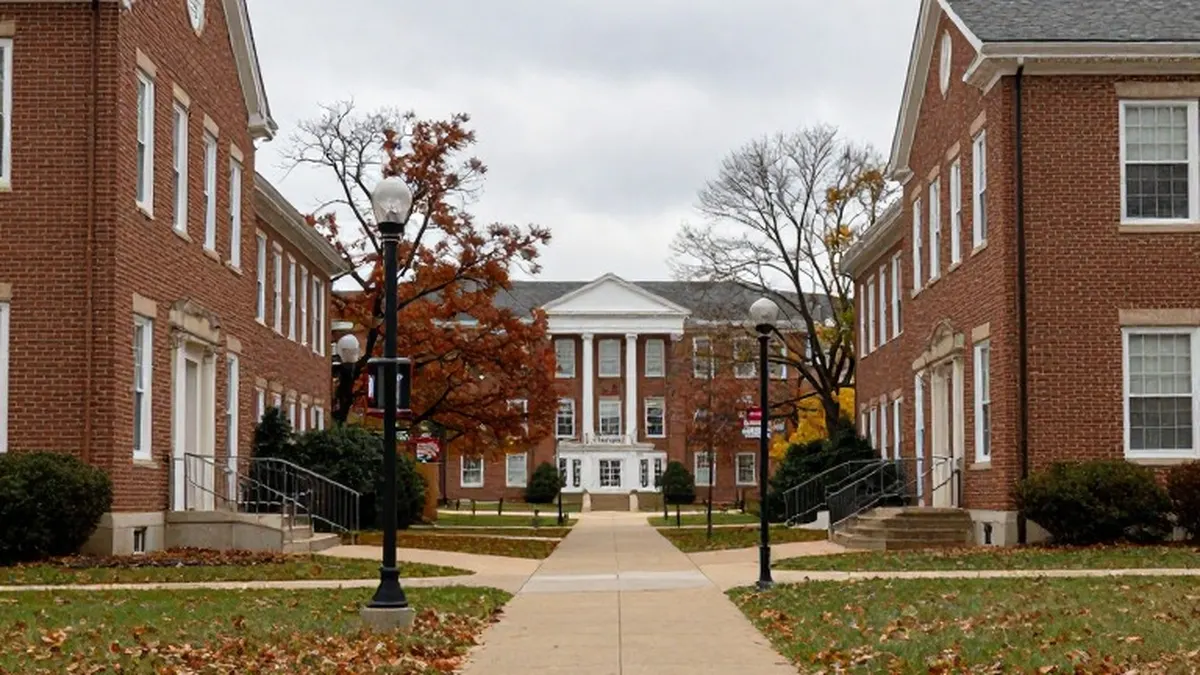
The United States Department of Justice has filed a lawsuit against Pennsylvania State University over its policy allowing undocumented students to qualify for lower, in-state tuition. The complaint, filed on Thursday, November 5, alleges that the university violates federal law because it does not extend the same reduced rates to all US citizens.
Penn State currently allows undocumented students to receive resident tuition rates if they satisfy its residency requirements. Under the university’s rules, non-citizen applicants seeking those rates must have attended an accredited high school in Pennsylvania for at least four years and graduated from an accredited high school in the state. The university said it knew of the complaint and was reviewing it.
Federal prosecutors argue that education benefits based on state residency cannot be offered to undocumented immigrants when US citizens living in other states are excluded. They contend that Penn State’s approach discriminates against citizens and breaches a congressional restriction on preferential treatment in higher education.
The department is asking a court to prohibit Penn State from continuing to provide in-state tuition to undocumented students, including those who live in Pennsylvania. It also wants an order barring the university from introducing future tuition policies that favor undocumented students over US citizens. Brett Shumate, assistant attorney general for the department’s Civil Division, said Congress had deliberately required public institutions to make such benefits available to all citizens if they offered them to undocumented immigrants.
Public universities in the US generally charge state residents less than students arriving from elsewhere in the country. Supporters say the lower rates recognize residents’ tax contributions to education and help keep students from leaving their home states to study. Advocates for extending those rates to undocumented students argue that doing so reduces obstacles to education for people who were often brought to the US as children.
The Penn State case is part of a wider effort by President Donald Trump’s administration to contest tuition policies benefiting undocumented students. Since beginning his second term in 2025, Trump has pursued restrictions on undocumented immigration and pledged to carry out the largest deportation effort in US history.
The Justice Department said the latest filing brought its total number of lawsuits challenging these tuition policies to 27. According to the department, six cases involving Texas, Kentucky, Oklahoma, Nebraska, Illinois and Kansas have produced court orders permanently blocking similar policies.
In the Penn State complaint, prosecutors also described the policies as unconstitutional and cited the 1996 Personal Responsibility and Work Opportunity Reconciliation Act. They argued that federal laws prohibit public benefits from being used as an incentive for undocumented immigration and leave no exception to the restriction on residency-based higher education benefits when citizens from other states are denied them.