Ukraine's Endurance: Freezing Weather and Drone Attacks Test National Resolve
Despite severe winter conditions and relentless aerial bombardment, polls and street-level observations in Kyiv suggest Ukraine maintains a strong will to continue fighting.
By Yuki Kaminski ·
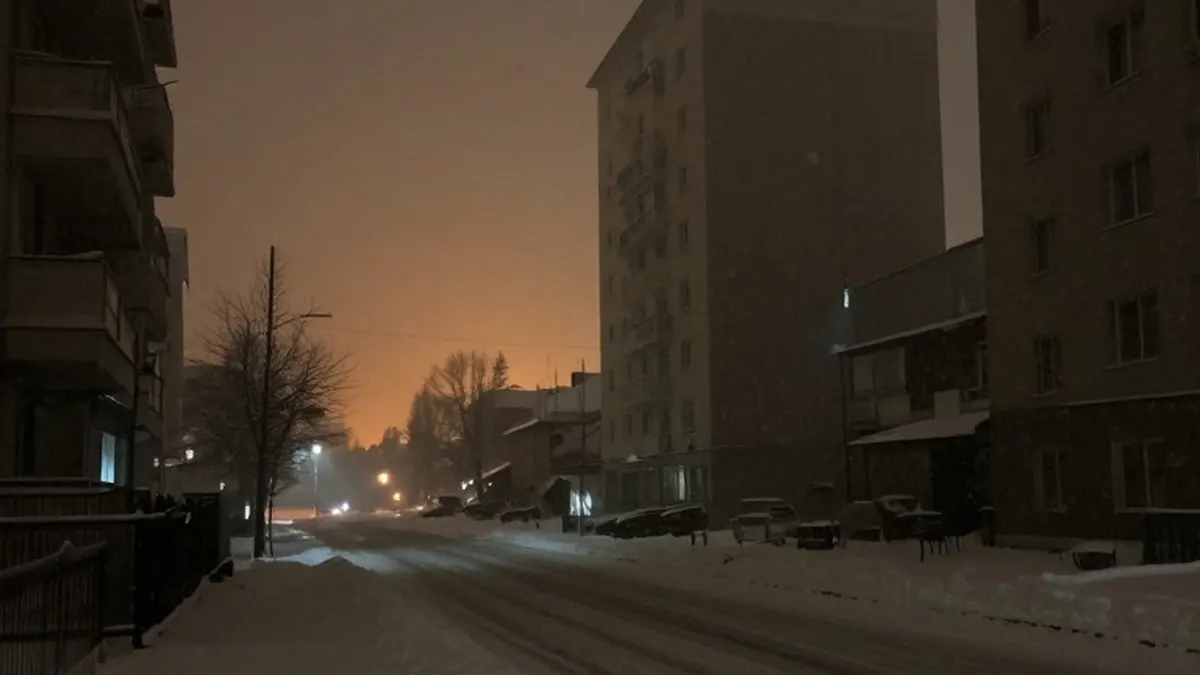
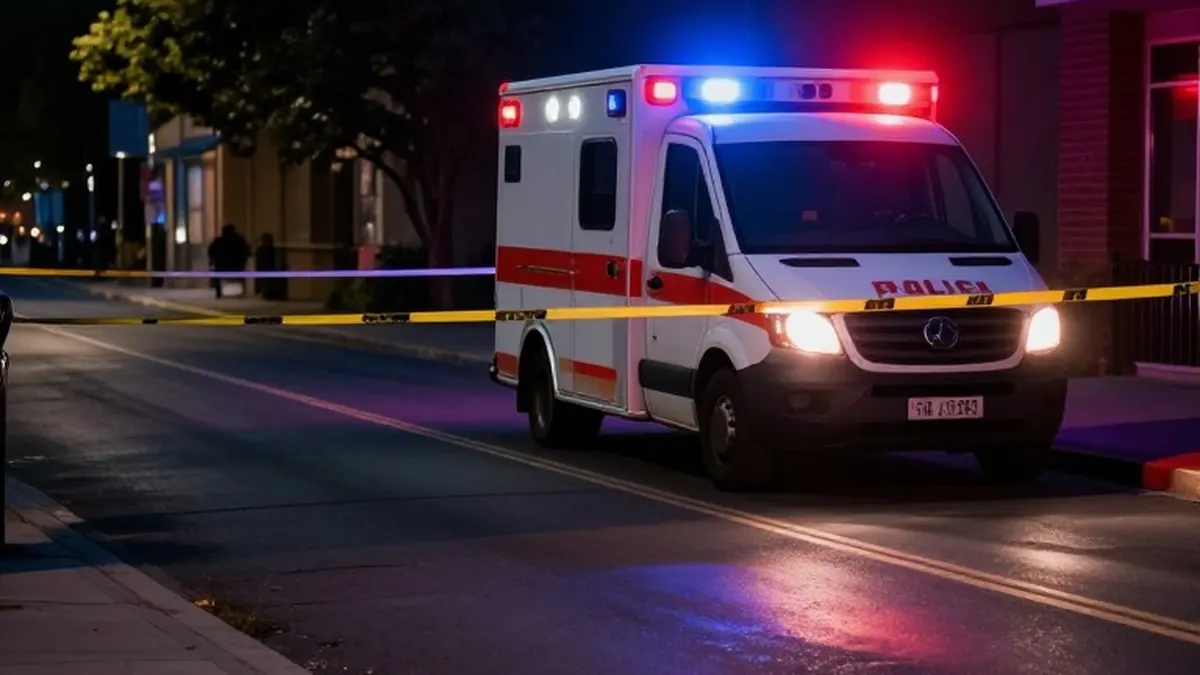
Arriving in Kyiv from the Polish border involves a significant temporal shift, with local clocks resetting to midnight. This adjustment is not merely a convenience for residents but appears to be part of a broader strategy designed to disorient incoming Russian missiles and drones. While the city appears normal at first glance, the presence of war is immediately evident through frequent air raid sirens and digital alerts. Residents even utilize specific gadgets to determine the direction and type of approaching drones.
The intensity of aerial attacks has increased over the past two weeks, culminating in a significant engagement on November 16. Ukrainian forces targeted the Kerch bridge, which connects Russia to the occupied Crimea, and subsequently launched a major wave of strikes that damaged the central road-bridge arch. In response, Russia fired seven ballistic missiles at Kyiv, disabling two of the nine bridges crossing the Dnipro River. This exchange highlights the ongoing struggle for infrastructure and territory in a conflict that has lasted more than four and a half years.
The war has taken a heavy toll on both lives and infrastructure. Estimates suggest 100,000 Ukrainian troops and 18,000 civilians have been killed, with the true figures likely higher. The infrastructure has been severely damaged, leaving many citizens without light, heat, or water as temperatures drop to freezing. The ability of the nation to survive another harsh winter under bombardment is a critical question for observers and residents alike.
Blackouts are a defining feature of life in Kyiv, resulting from Russia's targeted campaign against electricity generation. During these periods of darkness, air raid sirens and explosions punctuate the night. While some residents seek refuge in shelters, others remain in their homes, relying on the low probability of being hit. The shelters themselves are crowded and often uncomfortable, with poor ventilation and constant noise from impacts above.
Despite the fear and fatigue, a deep sense of anger persists among the population. Residents describe the attacks as enraging, noting that the combination of weariness and fury is common in conflict zones. Recent polling by the KIIS organization indicates that 62% of Ukrainians are prepared to endure the war for as long as necessary. Furthermore, 79% believe Ukraine will ultimately win, with only 7% predicting a Russian victory. These statistics suggest that the country is not on the brink of surrender.
Daily life continues amid the chaos, though it is often disrupted. Water shortages are common due to power grid failures, forcing residents to carry water up high-rise buildings when elevators are out of service. To cope with the stress and curfews, young people have organized daytime raves. One participant described these events as a way to find respite and feel capable of enduring the ongoing situation.
Public opinion of President Volodymyr Zelensky has shifted from the high approval ratings of 2022 to current levels between 54% and 57%. While some individuals, particularly those who have lost family members, blame his leadership for prolonging the war, the general sentiment remains supportive. The population maintains a fierce national identity, emphasizing differences from Russian culture and language, even as they face the physical destruction of their cities.
Negotiations for peace remain complex. Reports suggest the United States has proposed a deal involving Ukraine accepting the loss of eastern territories in exchange for NATO membership and the lifting of sanctions. However, many Ukrainians are skeptical of this approach, citing past broken treaties and a lack of trust in Russia. The financial burden of reconstruction is estimated at over $500 billion, a sum that far exceeds the country's pre-war GDP.
For Russian President Vladimir Putin, the war is a personal matter. Having made Crimea a cornerstone of his popularity, he faces significant domestic risks if the conflict does not conclude in his favor. Ukrainian citizens, meanwhile, remain focused on defeating their adversary rather than engaging in trade-based diplomacy. They view the conflict as a fight for survival and identity, with many demanding substantial reparations for the destruction caused by the war.