UK housing market sees sharpest price drop in over three years
Average UK house prices fell for the fourth straight month in October, marking the steepest decline since mid-2023 as high mortgage rates and inflation weigh on buyers.
By Hassan Okoye ·
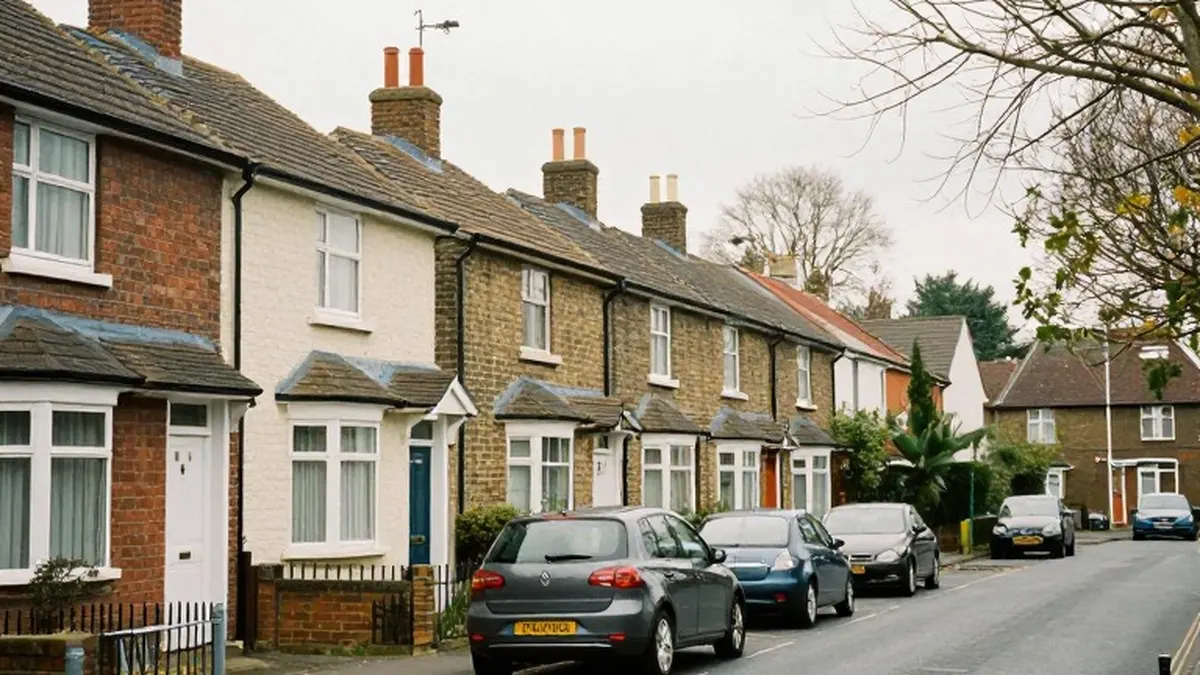
UK house prices experienced their most significant monthly decline in more than three years during October, marking the fourth consecutive month of falling values. This downturn was driven by persistent high mortgage rates that continue to pressure the housing market.
According to data released on November 6, 2026, the average price of a typical property in the UK stood at £296,285. This represented an unexpected 0.6% drop from September. The magnitude of this fall has not been seen since Lloyds recorded a 1.6% decrease in August 2023.
Market analysts had previously predicted a slight monthly increase of 0.1% for October. Such a rise would have signaled the first monthly price growth since June. Instead, the data showed a clear downward trend, with prices down 1.2% compared to the same month in the previous year. This annual decline is the largest recorded since October 2023.
Andrew Asaam, the mortgages director at Lloyds, noted that housing demand is being tested by a difficult economic environment. He explained that renewed inflationary pressures, partly driven by the conflict in the Middle East, are keeping borrowing costs elevated. These factors are squeezing household finances and making buyers more cautious.
The cost of borrowing has risen significantly for prospective homeowners. The latest market update from Moneyfacts indicates that the average two-year fixed mortgage rate is now 5.97%, while the average five-year fixed rate stands at 5.99%.
These figures were released one day after the Bank of England’s monetary policy committee raised the base rate by a quarter of a point to 4%. This was the first rate increase in three years, aimed at combating inflationary pressure linked to the Iran war.
The ongoing conflict in the Middle East has pushed oil prices above $100 a barrel in recent months. This increase has led to soaring fuel prices and contributed to inflation reaching 3.5% in September, further complicating the financial landscape for consumers.
Amy Reynolds, head of sales at the Richmond estate agency Antony Roberts, observed that the market has lost momentum as the year comes to a close. While buyers remain active, they are proceeding with care. She noted that those most affected are individuals remortgaging and second-time buyers attempting to move into a larger home with an additional bedroom.
Reynolds emphasized that the psychological impact on the market is substantial. Another rate increase signals to potential buyers that borrowing is becoming more expensive rather than cheaper, which causes them to hesitate before committing to a purchase.
The property services firm Savills recently stated that Britain’s sluggish housing market is not expected to recover until 2028. The company forecasts that an improvement in the broader economy and better mortgage affordability will support a recovery during that period.
Source: The Guardian