Tanzania opposition leader Lissu convicted of incitement but cleared of treason
The High Court acquitted Chadema leader Tundu Lissu of treason while finding him guilty of incitement over remarks made during his campaign for electoral reform.
By Isabella Kaur ·
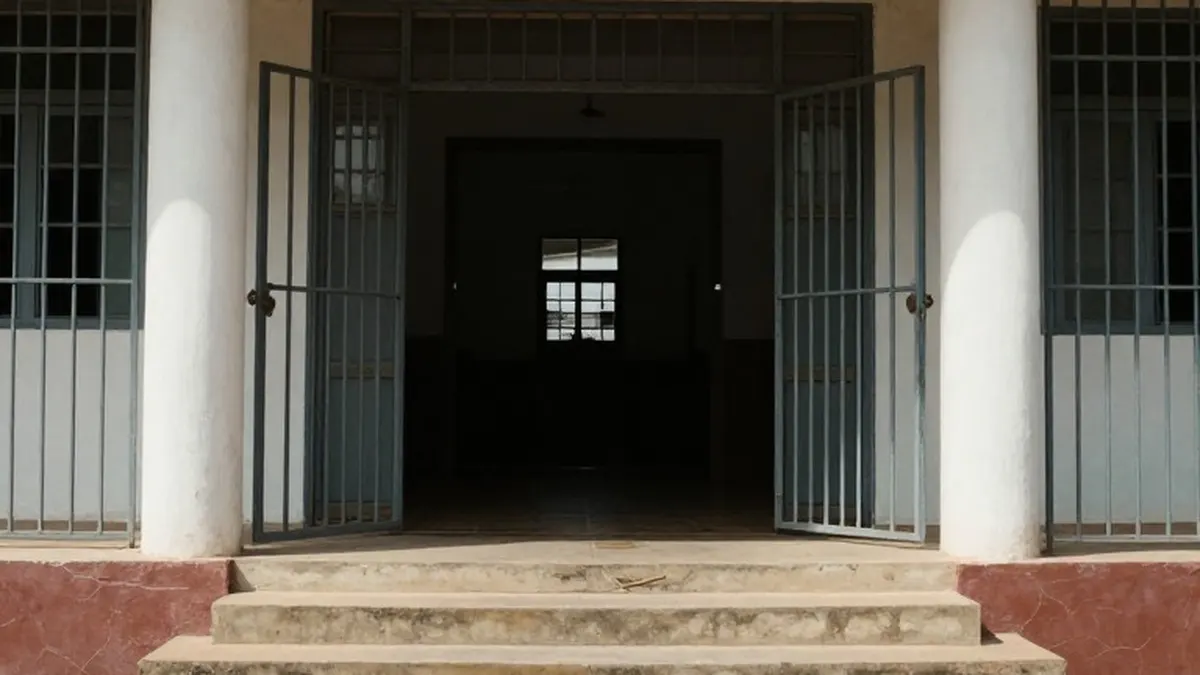
Tanzania's main opposition leader, Tundu Lissu, has been convicted of incitement and acquitted of treason in a prosecution that has drawn international concern about political freedoms. Three judges at the High Court in Dar es Salaam said prosecutors had not established a key element of the treason charge. The ruling was still being delivered, with the court's legal reasoning and sentence for incitement yet to be announced. Lissu has permission to appeal to the Court of Appeal, Tanzania's highest court.
The 58-year-old Chadema leader has been held since April 2025 over statements made while seeking electoral changes before that year's disputed general election. He has denied wrongdoing and described the case as politically motivated. His acquittal on treason removes the more serious charge, an offence that can carry the death penalty in Tanzania.
Authorities arrested Lissu six months before the election, shortly after he began a campaign under the slogan "No Reforms, No Election". Prosecutors alleged that his statements, also shared online, sought to encourage people to disrupt the vote and threaten the government. Lissu, a lawyer who conducted his own defence, argued that he was pursuing legitimate constitutional and electoral reform. He said prosecutors had stripped his comments of their context and had not proved any crime.
Chadema's proposals included appointing electoral commissioners independently of the president and allowing every party to campaign without police intimidation. It also wanted government-appointed district chiefs removed from returning officer roles, protection for party agents observing vote counts, and the right to challenge presidential election results in court.
President Samia Suluhu Hassan won the October 2025 election with 98% of the vote after her two principal challengers, including Lissu, were excluded. The opposition rejected the outcome. Protests after the election were met with a violent security crackdown that killed at least 500 people, according to an official inquiry. Opposition groups say the toll was considerably higher and have called for an independent investigation.
Samia, 66, maintains that the election was fair and transparent. She has blamed foreigners for the unrest, describing it as part of an attempt to overthrow her, and established another commission to identify those responsible for the violence. Her government has repeatedly denied pursuing political opponents and has defended its response to the protests.
While on remand at Ukonga Prison in Dar es Salaam, Lissu twice briefly refused food after saying he had been denied access to lawyers or relatives. He also alleged that guards overheard consultations with his lawyers that should have been confidential. Prison authorities denied those allegations. Rights organisations have voiced concern about his treatment and restrictions on political dissent. Last week, Amnesty International accused the government of using counterterrorism laws to silence critics and spread fear. Authorities did not respond to a request for comment.
A longstanding critic of the ruling Chama Cha Mapinduzi party, Lissu entered parliament in 2010. In September 2017, gunmen fired on his vehicle outside his Dodoma home, shooting him multiple times. He survived, received extensive treatment abroad and spent years outside Tanzania. Nobody has been brought to justice for the attack.
Lissu returned to run against President John Magufuli in 2020, losing an election the opposition said involved widespread irregularities. After another period in exile, he came back in 2023 following Samia's removal of a ban on opposition rallies. That return initially suggested greater political openness after restrictions under Magufuli, who died in office in 2021. Relations subsequently worsened before the 2025 vote. Lissu became Chadema's national chairman that January and stepped up his calls for reform.