Somalia Supreme Court Rules President's Term Extension Unlawful
The judiciary has declared President Hassan Sheikh Mohamud's one-year extension invalid and ordered new elections within ninety days, deepening the nation's political crisis.
By Isabella Kaur ·
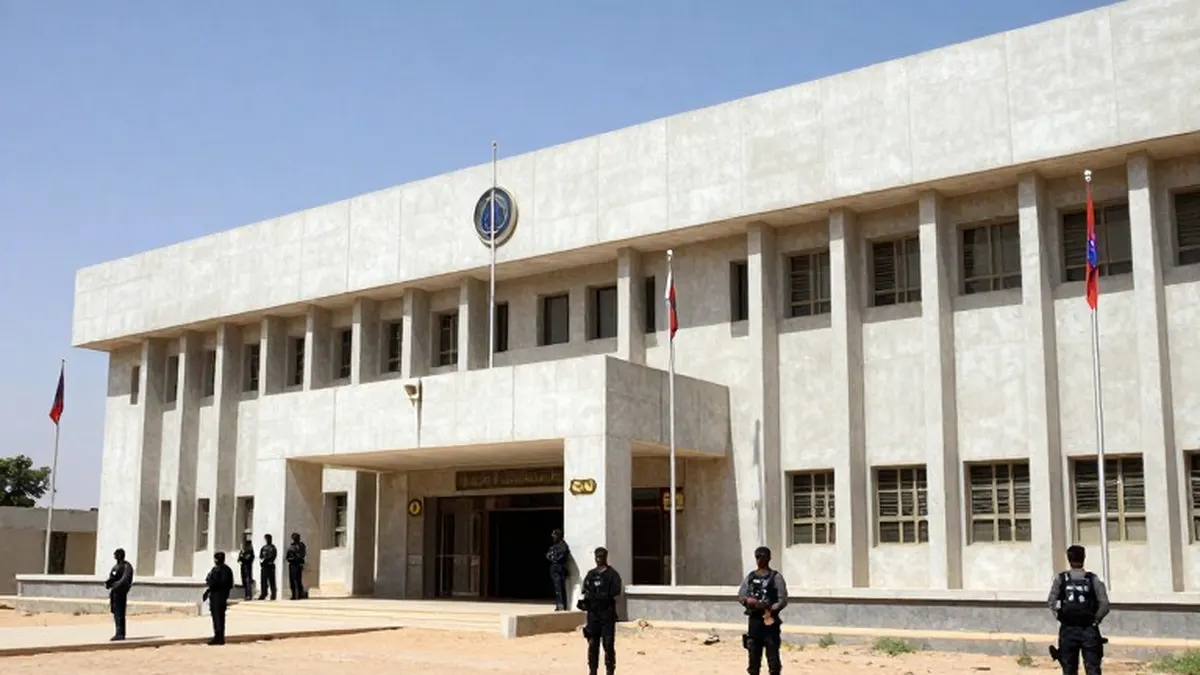
Somalia's Supreme Court issued a landmark ruling on Thursday, declaring that President Hassan Sheikh Mohamud unlawfully extended his term in office. This decision has significantly escalated the ongoing political crisis and intensified the standoff between the presidency and the country's judiciary. The court's verdict came just one day after Mohamud dismissed Chief Justice Bashe Yusuf Ahmed, a move the judges determined the president did not have the authority to make.
In its judgment, the Supreme Court stated that the constitutional changes used to extend the president's mandate could not be applied retrospectively to his current term. Mohamud's original four-year mandate expired in May. However, his administration successfully lobbied for a one-year extension through law changes that were approved by parliament in March. Opposition groups have long accused the president of utilizing these constitutional amendments to prolong his rule beyond the intended timeframe.
The court also declared the dismissal of the chief justice null and void. The judges accused the presidency of interfering with judicial independence, rejecting the administration's claim that the removal was necessary to address complaints about the administration of justice. The court insisted that the chief justice could only be removed through established constitutional procedures. Following the dismissal, the president had appointed Ibrahim Idle Suleiman, a former holder of the position, to replace Ahmed.
The ruling has immediate implications for the country's electoral schedule. The court ordered political leaders to agree on an electoral plan within thirty days and to hold elections within ninety days. This timeline potentially disrupts the government's existing plans for nationwide polls. The electoral commission had previously scheduled parliamentary elections for 15 April 2027, with a presidential vote to follow a month later. However, opposition groups and the regional administrations of Puntland and Jubaland have rejected this proposed timetable.
Tensions reached a peak on Thursday when former Prime Minister Hassan Ali Khaire accused the president of deploying security forces to the Supreme Court. Khaire claimed that the administration was attempting to arrest the chief justice, describing the move as an assault on the Supreme Court. He warned that Somalia stands at a dangerous juncture and that dismantling the judiciary poses a direct threat to the rule of law. While the AFP news agency reported these events, it noted that it could not independently verify the security deployment, although photographs circulated in Somali media appeared to show armed personnel inside the court compound.
Former President Sharif Sheikh Ahmed welcomed the court's decision. He described the country as facing a grave political crisis and called on Mohamud to embrace a consensus-based approach to resolving the deadlock. Meanwhile, President Mohamud maintains that the reforms are necessary to guide Somalia toward fully democratic elections. He argues that the changes will replace the current clan-based system, in which elders select representatives, with a more direct democratic process.
The political turmoil occurs against a backdrop of continued security challenges. Somalia has not held nationwide direct elections since 1969 and has endured civil war for more than three decades. The Islamist militant group al-Shabaab continues to control many rural areas despite years of military operations. This week, Uganda, the largest contributor of troops to the African Union mission fighting the militants, announced plans to withdraw its forces by the end of the year. This development has added to concerns regarding the country's security landscape.
To address the emerging deadlock, Mohamud has called for national talks to take place from 14 to 18 November. However, opposition leaders have questioned the president's legitimacy to convene such discussions following the court's rulings. The situation remains fluid as various political actors respond to the judiciary's intervention in the executive's powers.
Source: BBC News