India’s claim of last local fighter killed draws scrutiny as Kashmir conflict shifts
Analysts and former security officials say armed groups are adapting through concealed operatives, new identities and a growing presence in Jammu despite declining local recruitment in Kashmir.
By Hassan Okoye ·
India’s declaration that the last local armed fighter in the Kashmir valley has been killed is facing scrutiny from analysts and former security officials, who say the conflict is changing rather than ending. They point to fighters absent from police records, groups operating under new names and violence shifting south towards Jammu.
Mohammad Lateef Bhat was killed on November 18 after Indian security forces cornered him in a mosque in Zangalpora village, in Kulgam district, following a search lasting seven days. Described as a commander of the Pakistan-based Lashkar-e-Taiba, or LeT, Bhat was accused of firing on Central Reserve Police Force soldiers with another fighter a week earlier, injuring three soldiers. His associate was also killed in the days following that attack.
Home Minister Amit Shah subsequently told a public gathering that Bhat had been the valley’s last local armed fighter and that no Kashmiri youth remained involved in terrorist activities there. Jammu and Kashmir police made a more specific claim: LeT had no local fighters for the first time since the armed rebellion against Indian rule began in 1989.
Former Jammu and Kashmir police deputy inspector general Israr Khan called Bhat’s death an important security success and a serious blow to LeT. However, he told Al Jazeera that active fighters could exist outside official records. Khan said the following five to six months would be crucial, with any attacks linked to local youth potentially requiring authorities to reassess their conclusion.
Part of that uncertainty concerns people police describe as “hybrid militants”, a term that appeared around 2020. Security officials say these individuals communicate with armed groups digitally, receive local training and conduct attacks before resuming ordinary civilian lives. Some analysts and rights activists dispute the label’s clarity, warning that it could encompass people previously considered sympathisers or cast suspicion broadly over Kashmiris. Authorities have announced arrests in separate operations, but there is no single official cumulative total.
Armed organisations have also adopted new identities. The Resistance Front and the People’s Anti-Fascist Front emerged after India removed the region’s special constitutional status in August 2019. Security agencies and counterterrorism analysts regard them as fronts for established Pakistan-based groups, intended to conceal affiliations and reduce international scrutiny. The Resistance Front claimed the 2025 Pahalgam attack that killed 26 civilians. India blamed Pakistan, and the attack set the stage for their four-day war in May that year.
Political scientist Noor Ahmad Baba, a former University of Kashmir professor, told Al Jazeera that earlier assertions about the disappearance of local militancy had been followed by intermittent attacks. While acknowledging improvements in security, he questioned whether conditions supported the broader claim. Analysts say reduced local recruitment in the valley may coincide with armed violence gaining ground in Jammu.
At least 33 people, including 10 civilians, have been killed in Jammu since 2021. Defence experts and political analysts link the resurgence to stronger security pressure in Kashmir and the transfer of some troops from Jammu to address concerns along the border with China in Ladakh. Officials and analysts also cite greater use of foreign fighters, encrypted satellite phones and other secure communications that reduce dependence on local contacts.
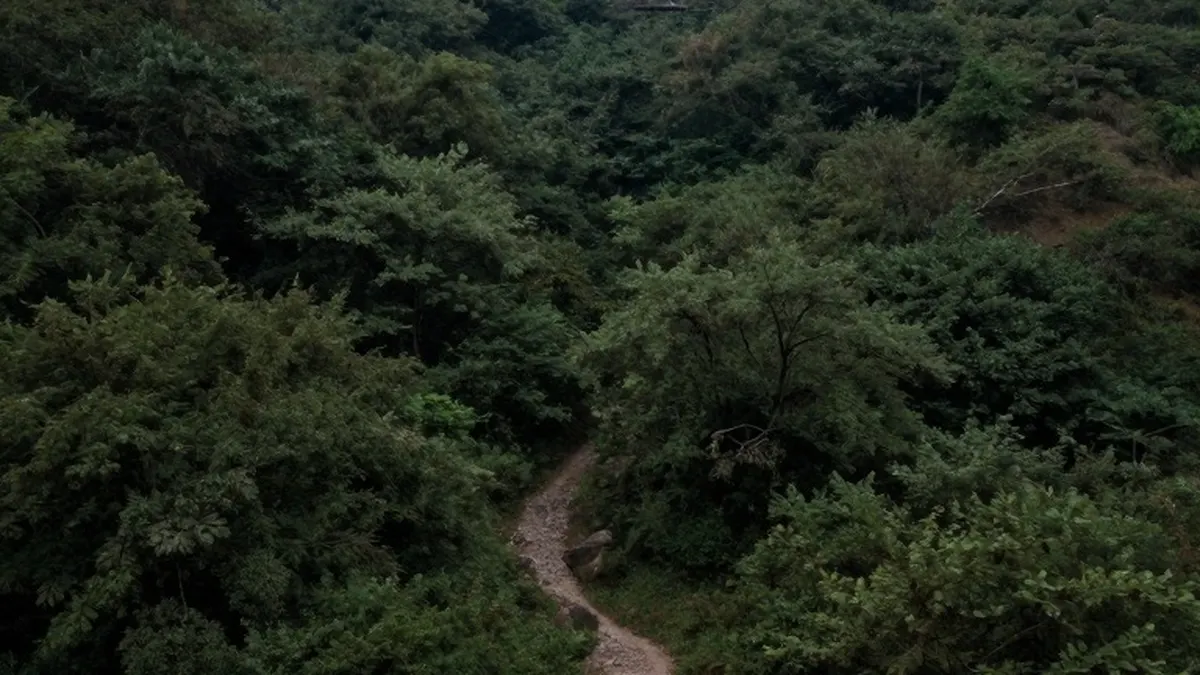
Jammu’s terrain presents another challenge. Political analyst Rashid Rahi told Al Jazeera that dense forests complicate searches, with operations in places such as Udhampur and Rajouri sometimes lasting weeks. He also said heavy snowfall obstructs cross-border infiltration in Kashmir’s hills, while infiltration remains possible in Jammu.