Europe faces week of disruption from hoax bomb threats and cyber-attacks
A series of hoax bomb threats and cyber-attacks on refrigeration systems have disrupted European life, highlighting the region's growing exposure to hybrid warfare and digital vulnerabilities.
By Hassan Okoye ·
European aviation and essential infrastructure systems experienced significant disruption this week, raising questions about the region's vulnerability to modern threats. At least 25 commercial flights were affected by hoax bomb threats, with some aircraft forced to make emergency landings. These incidents followed similar alerts on Tuesday that led to the searching or diversion of seven planes. While investigators have not yet identified a specific hostile state or terror group, aviation experts note that the credible treatment of these threats by airlines suggests a potential level of coordination among the perpetrators.
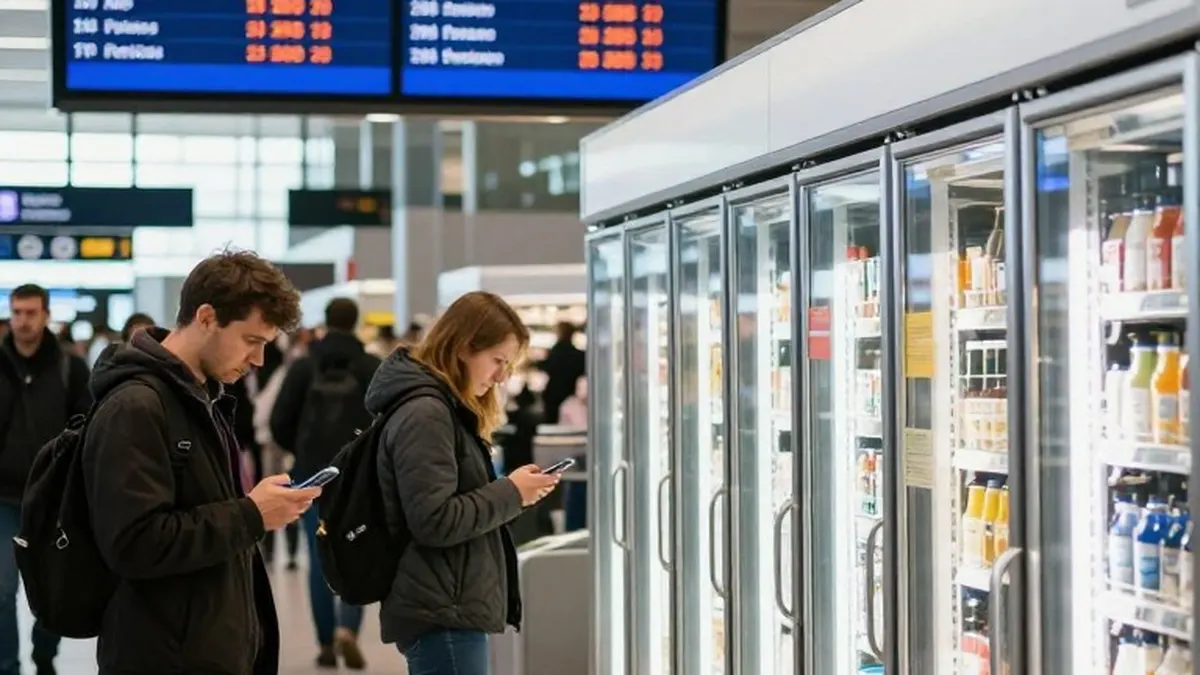
The chaos in the skies coincides with a wave of cyber-attacks targeting supermarket refrigeration units in Belgium, Sweden, the United Kingdom, and France. In a striking escalation, the cold storage facilities of France’s national blood service were also targeted. In some cases, thermostats were remotely adjusted to extreme temperatures, such as 50 degrees Celsius, causing goods to spoil. These incidents are part of a broader pattern of hybrid warfare and shadow attacks that have intensified since 2022, often attributed to Russian efforts to disrupt support for Ukraine without triggering a full military response.
Security experts describe the current environment as a grey zone, a space between routine peace and conventional conflict where proxies operate with limited state accountability. Dan Sabbagh, the defence and security editor, noted that the landscape has shifted significantly since the inception of the War on Terror. While Islamist terrorism has receded, hostile state threats have risen, creating a world of familiar uncertainties attributed to different actors. Recent events, including an alleged plot against RAF Fairford linked to Iran, highlight how conflicts in Ukraine and the Middle East are reverberating closer to home.
The psychological impact of these disruptions is a key element of the strategy. Cybersecurity analyst Azeem Azhar has compared the current internet security situation to the early days of the pandemic, warning that artificial intelligence enables bad actors to hunt for and spread system flaws rapidly. The attacks often target edge devices, which are connected to the internet but lack robust security processing power. This vulnerability was famously exposed in 2016 when a hacker came close to stealing funds from the Bank of Bangladesh via an unsecured printer.
In response, security agencies in the UK and across Europe are monitoring threats closely. MI5 currently tracks approximately 3,000 active subjects of interest, prioritizing those posing serious risks to life. However, lower-level activities, such as online sabotage or preparation for physical disruptions, can be harder to detect due to resourcing constraints. The Turing Institute is exploring ways to use artificial intelligence to enhance the security of critical infrastructure, aiming to make systems more resilient against opportunistic attacks.
While the likelihood of a cyber-attack is high, experts advise against panic. Aisha Down, a global technology reporter, emphasized that every attack is opportunistic and dependent on finding a specific vulnerability. She pointed to Finland as an example of a nation closely monitoring these tactics, where reports to the national cybersecurity center have risen from 18,000 to 21,000 this year. This growth is partly due to a developing criminal hacking ecosystem with loose links to the Russian state.
The UK government’s Be Ready initiative advises citizens to stockpile 72 hours’ worth of emergency supplies, including water and non-perishable food, to offset threats from hybrid warfare. While some view this as a practical precaution, others see it as a way to manage public perception. Security experts suggest that while disruptions are expected, they are rarely as long-lasting as a physical bombing of a power station might be. The goal for defenders is to maintain calm and ensure that the psychological impact of the threats does not outweigh the actual physical damage.
As Europe continues to navigate these challenges, the focus remains on balancing preparedness with normalcy. The incidents of this week serve as a reminder that in an interconnected world, digital and physical vulnerabilities are inextricably linked. Governments and businesses are urged to strengthen their defenses, while citizens are encouraged to remain vigilant without succumbing to fear.